US-brokered and regional diplomacy won a temporary lull in cross-border fighting even as broader negotiations between Washington and Tehran have made little visible progress and tensions persist across the Middle East.
Ceasefire extension
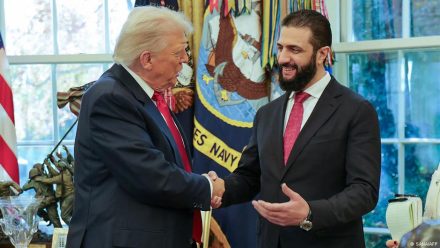
US President Donald Trump said Israel and Lebanon agreed to extend a ceasefire for three weeks after envoys from both countries met at the White House. The move follows an initial 10-day truce and comes amid continuing exchanges of strikes and sporadic skirmishes along the Israel-Lebanon frontier. Hezbollah-linked lawmakers dismissed the deal as ineffective, citing ongoing Israeli strikes, assassinations and shelling in southern Lebanon. Israel, for its part, reported intercepting missiles fired from Hezbollah positions.
Stalled US–Iran diplomacy
Talks intended to secure a broader ceasefire and de-escalation between the US and Iran have shown limited progress. Tehran declined to send a delegation to a planned second round of Pakistan-brokered talks in Islamabad after an initial session earlier in April. Iran’s foreign minister, Abbas Araghchi, has pursued consultations by phone and is reported to be traveling to Islamabad, Muscat and Moscow. Iran insists a lasting ceasefire must include an end to US maritime blockades and restored access to its ports, and the two sides remain sharply divided over control and passage in the Strait of Hormuz.
Maritime pressure and seizures
The Strait of Hormuz has become a central leverage point. Iranian authorities have seized container ships and have been accused of laying sea mines, while US forces have intercepted vessels. President Trump ordered US naval forces to shoot and kill small boats suspected of minelaying. Both sides are using seizures, inspections and contested shipping lanes to press bargaining positions, contributing to higher oil prices and market volatility.
Regional incidents and security developments
Kuwait reported that two explosive-laden drones originating from Iraq struck northern border posts, causing material damage but no casualties. Pro-Iran armed groups across the region have claimed or conducted attacks on Gulf targets amid the wider conflict, despite pauses tied to ceasefire declarations. Meanwhile, Iran’s internet blackout — imposed after early US and Israeli strikes — entered its 56th day, leaving most Iranians cut off from global networks while a limited domestic intranet remains operational. Switzerland said a small technical team has returned to Tehran to assess security and prepare for a gradual reopening of its embassy; Bern serves as a protecting power representing US interests in Iran.
Political positions and demands
EU officials, including Kaja Kallas, have urged that any talks with Iran include nuclear experts to ensure agreements do not undercut the 2015 JCPOA and to address missile programs, proxy activity and hybrid or cyber threats. Iran continues to press for maritime and port blockades to be lifted as a precondition for a full ceasefire. The US has extended a temporary ceasefire without setting a new firm deadline and has signaled reluctance to rush a comprehensive settlement.
Economic and human impact
Markets reacted to the impasse: crude oil prices rose after a week of gains as traders priced in effective disruptions to the Strait of Hormuz, and Asian equities opened lower amid uncertainty. On the ground, air campaigns by US and Israeli forces have damaged civilian infrastructure in Iran and elsewhere. In Lebanon, civilian casualties have been reported despite the truce, including the death of a journalist in an Israeli strike. Limited exchanges by all sides continue to risk wider escalation.
Outlook and analysis
Analysts say ceasefire extensions reduce immediate large-scale fighting but have not ended targeted strikes, maritime confrontations or proxy activity. Key obstacles to a durable settlement include maritime access and enforcement mechanisms, inclusion of technical and nuclear expertise in talks, reciprocal security guarantees and reliable verification. Regional actors — from Pakistan and European states to neutral intermediaries like Switzerland — have tried to mediate, but progress depends on whether Tehran and Washington can bridge their fundamental strategic demands. Developments remain fluid, with diplomacy, naval operations and proxy actions likely to shape near-term stability.