
Germany observes two very different traditions on November 11: quiet lantern processions for St. Martin and the raucous, costume-filled kick-off of Carnival. Though they feel like opposites, both customs trace back to the same historical rhythms.
Bishop Martin of Tours died on November 8, 397 and was buried three days later, which is why his feast day falls on November 11. Martin became famous for a simple act of charity: as a Roman soldier he cut his cloak in half to share with a beggar. Unlike many saints honored for martyrdom, Martin was celebrated for his compassion and pious life, becoming a patron of the poor and of various trades and farmers.
In the Middle Ages, November 11 came right after the harvest. Crops and grapes were gathered, rents and wages were often settled, and animals were slaughtered to provide winter food. People used up perishable goods such as meat, eggs and dairy before the period of Church-mandated fasting that began with Advent. Historically Advent was a strict six-week fast similar to Lent, a season of quiet preparation for Christmas; these rules gradually relaxed and the formal fast was abolished by the Roman Catholic Church in 1917.
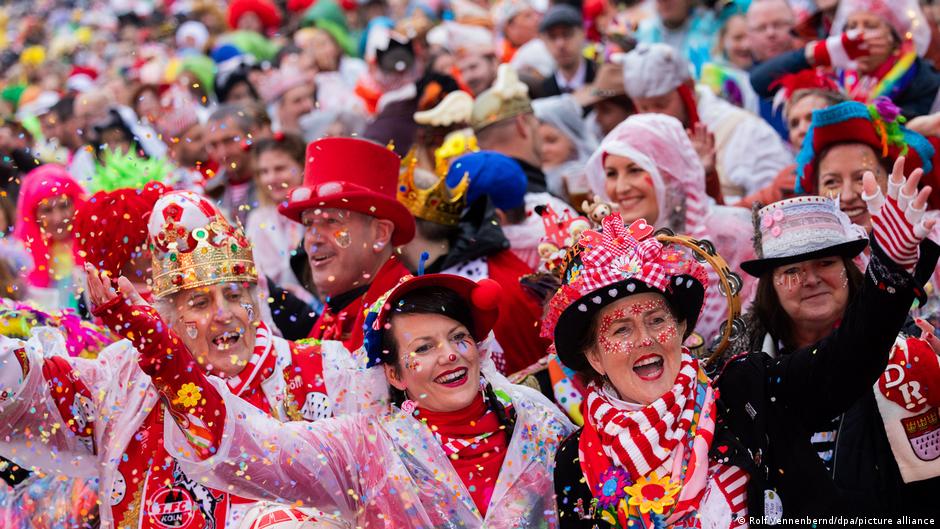
Before the austerity of Advent, communities traditionally held one last round of feasting, music and dancing. The number 11 itself acquired symbolic meaning: positioned between the sacred 10 (the Commandments) and 12 (the apostles), 11 came to be linked with disorder, folly and jesters. That association helped fix November 11 as the start of Carnival season in the Rhineland, where festivities officially begin at 11:11 a.m. Revelers shout “Alaaf” or “Helau,” make noise and mark the date loudly, then the celebrations settle down until they pick up again in January and build toward the big parades in February that end on Ash Wednesday.
Today St. Martin’s Day keeps its quieter tone in many places: children carry lanterns and sing, and the focus is on sharing and light. At the same time, the Carnival tradition embraces freedom, satire and exuberant fun. The two celebrations coexist on November 11 as complementary contrasts—one honoring charity and quiet reflection, the other welcoming laughter and release—reminding people both to care for others and to celebrate together.
This article was originally written in German.