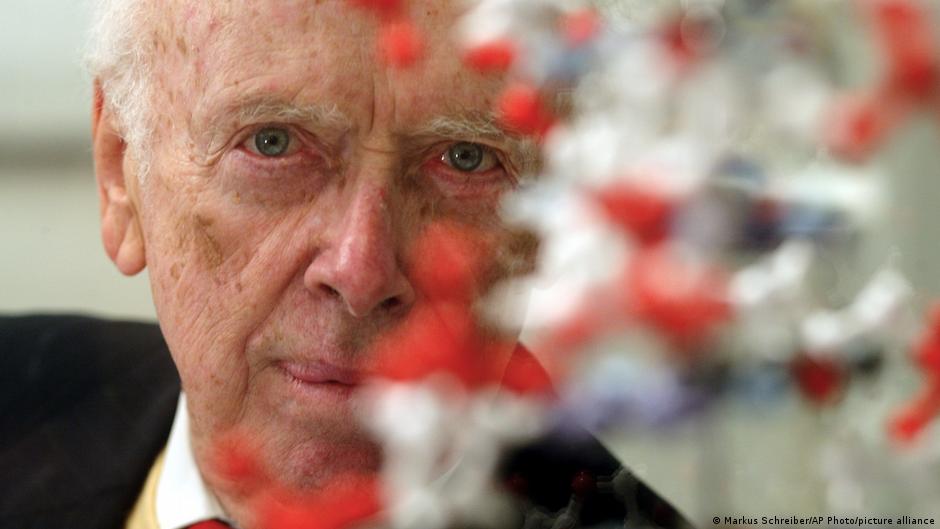

James Watson, the American molecular biologist credited as a co-discoverer of DNA’s double-helix structure, has died at 97 in hospice care on Long Island, New York. Born in Chicago, Watson rose to prominence in the early 1950s for work that helped reveal how genetic information is stored and copied in living cells.
Watson shared the 1962 Nobel Prize in Physiology or Medicine with Francis Crick and Maurice Wilkins for demonstrating that DNA consists of two strands that wind around each other. That double-helix model explained how cells replicate DNA: the two strands separate and serve as templates for new complementary strands, and the image of the helix became an enduring symbol of modern biology.
Watson arrived at Cambridge University in 1951 and partnered with Crick in analyzing DNA’s structure. Their model drew on X-ray diffraction data produced by Rosalind Franklin and her student Raymond Gosling, along with work by Maurice Wilkins. Franklin’s contributions have since been widely recognized, and contemporary accounts criticize Watson’s 1968 memoir for its dismissive depiction of her role.
Later in life Watson’s reputation was marred by repeated controversial and widely condemned statements about race and intelligence. In 2007 he said he believed Black people were inherently less intelligent than white people, remarks that prompted his resignation from Cold Spring Harbor Laboratory (CSHL), a Long Island research center he had led for decades. He reiterated similar views in a 2019 television documentary; CSHL called the comments his “reckless personal opinions,” severed ties with him and revoked his honorary titles.
Edited by: Zac Crellin.