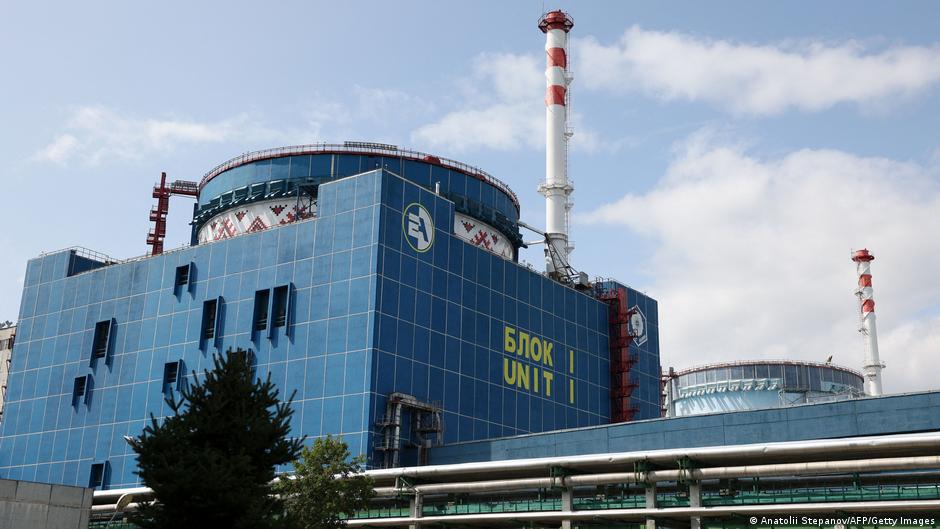

Ukraine’s anti-corruption bureau has opened a broad investigation into alleged bribery and kickbacks tied to state nuclear operator Energoatom, triggering high-level responses as the country prepares for a difficult wartime winter. The National Anti-Corruption Bureau (NABU) said investigators executed roughly 70 searches in coordination with the Specialised Anti-Corruption Prosecutor’s Office, describing what it called a high-level criminal organization that laundered about $100 million through contracts connected to Energoatom. The probe is said to rest on about 1,000 hours of audio recordings and 15 months of investigative work.
Authorities named several suspects, including a former adviser to the energy minister, Energoatom’s head of security, a businessman and multiple employees. Ukrainian media have linked the case to influential figures near the presidency, though officials have largely kept public comments limited.
Energoatom confirmed the searches and said it is cooperating with investigators. Energy Minister Svitlana Grynchuk said the ministry and Energoatom will provide full cooperation and called for transparent proceedings while stressing the need to preserve the integrity of the energy sector as Russia increases strikes on Ukraine’s power grid. President Volodymyr Zelenskyy pledged that anyone implicated in corruption would face justice and said clean governance in Energoatom and across the energy industry is a national priority.
The investigation comes as renewed Russian attacks have damaged transmission infrastructure and caused blackouts, raising urgent concerns about energy security for the winter. Energoatom runs Ukraine’s four nuclear facilities: Rivne, Khmelnitsky, South Ukraine and the Zaporizhzhia plant, the latter currently under Russian occupation and in a cold shutdown.
Front-line and regional developments:
– Myrnohrad, east of Pokrovsk in Donetsk, has seen heavy fighting. Kyiv denied reports that the town is fully encircled, saying Ukrainian units hold their positions and that resupply and troop rotations, including medevac of the wounded, are continuing despite complications. Russia’s defence ministry claimed advances and repeated that Ukrainian forces had been cut off; independent open-source mapping, including by DeepState, shows the town nearly surrounded but with a small gap indicating continued Ukrainian control.
– Pokrovsk is strategically important because of its road and rail junctions; Russian control of the city would strengthen Moscow’s hold in Donetsk.
– Moscow announced the capture of several villages along the front, including Hnativka in Donetsk and Solodke and Nove in Zaporizhzhia. Kremlin spokesman Dmitry Peskov dismissed the likelihood of a truce and said the conflict will continue until Russia’s objectives are met.
Cross-border and regional strikes:
– Ukrainian special forces reported an overnight strike on a pumping station at an oil depot in occupied Crimea’s Hvardiyske facility, which Kyiv describes as key to Russian fuel logistics on the peninsula. Authorities have not detailed the full extent of damage.
– A Ukrainian drone attack damaged civilian infrastructure in Russia’s Saratov region, Governor Roman Basurgin said. The area hosts a Rosneft-owned refinery that has been repeatedly targeted this year; the refinery supplies gasoline and diesel to central Russia.
Civilian movement and refugee trends:
– Eurostat data show a sharp rise in Ukrainians granted temporary protection in the EU in September, with about 79,000 people accepted that month—a 49% increase from August. The increase followed Kyiv’s decision to ease wartime travel restrictions that had barred men aged 18–22 from leaving the country. Since Russia’s full-scale invasion in 2022, more than 4.3 million Ukrainians have gone to the EU; Germany has received the largest share, with over 1.2 million arrivals.
These developments underscore the twin pressures on Kyiv: urgent security and military needs, rapid repair and protection of critical infrastructure, and international expectations to deepen anti-corruption reforms. The Energoatom probe adds a politically sensitive dimension as officials work to safeguard energy supplies through a challenging winter while continuing operations on multiple front lines.