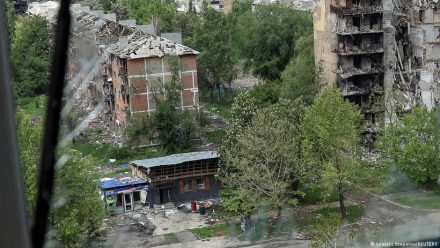
On Wednesday (March 18), Israel attacked Iran’s South Pars gas field, striking onshore refinery units and gas storage tanks in Asaluyeh and offshore facilities tied to the field.
Iran retaliated quickly with missile and drone strikes on sites in Saudi Arabia and the United Arab Emirates, and on Qatar’s Ras Laffan Industrial City — the world’s largest liquefied natural gas (LNG) export hub. Ras Laffan, which covers nearly 300 square kilometers and is operated by state-owned QatarEnergy with partners including ExxonMobil, TotalEnergies and Shell, sustained what QatarEnergy described as “extensive damage.”
These were the first direct hits on fossil fuel production facilities since the war began on February 28. Until now, the US and Israel had avoided striking Iranian production sites to reduce the risk of similar reprisal attacks.
US response and warning
President Donald Trump posted on Truth Social that he “knew nothing about this particular attack,” while asserting Israel would not strike the gas field again unprovoked. He also warned Iran that the US would “massively blow up the entirety of the South Pars Gas Field” with unprecedented force if Iran attacked Qatar again.
The strikes mark a sharp escalation in the regional conflict and unsettled global energy markets, pushing up oil and natural gas prices.
Shared reservoir and global significance
South Pars is part of a single enormous gas reservoir divided by a maritime boundary — the other side is Qatar’s North Dome (Qatar North) field. Together they form the world’s largest natural gas field, holding roughly a third of known global gas reserves.
For Iran, damage to South Pars is primarily a domestic crisis. International sanctions have limited Tehran’s export capacity, so most of the gas produced is consumed internally; the remainder is exported to neighboring Iraq and Turkey. South Pars supplies about 70% of Iran’s gas production and is a major element of the national economy when combined with oil revenues. Any sustained disruption could cut output, worsen local energy shortages, and lead to more rationing and blackouts — even though Iran holds the world’s second-largest proven gas reserves and third-largest oil reserves.
For Qatar and global markets, the consequences are broader. Qatar relies on its facilities to export LNG worldwide and is the largest supplier to many Asian markets. The Ras Laffan complex alone accounts for roughly 20% of global LNG trade, and Qatar ranks as the world’s third-largest LNG exporter after the US and Australia. Damage or prolonged shutdowns there would not only reduce gas flows but also affect helium production, a byproduct of LNG processing important to semiconductor manufacturing and other industries.
Wider disruption risks
Across the Middle East, oil and gas output has already been hit by a blockade of the Strait of Hormuz, which has restricted the movement of tankers carrying hydrocarbons out of the Persian Gulf. While facilities have continued limited operations despite shipping disruptions, attacks directly on production and processing sites risk much longer outages because repairs can be complex and time-consuming.
Analysts say repair work could take months or even years depending on the damage, reducing global supply and keeping markets on edge. Deutsche Bank analyst Jim Reid pointed to the significance of the strike as the first on upstream facilities since the conflict began. ING strategists Warren Patterson and Ewa Manthey noted that damage to LNG plants shifts market concerns from simply when shipping might resume to how long it will take to restore production at damaged sites.
Markets reacted immediately, with oil and gas prices rising on fears that energy infrastructure could be meaningfully damaged. Some analysts also called the decision to strike energy assets notable given recent efforts by parts of the US administration to calm upward pressure on oil prices.
Edited by: Rob Mudge