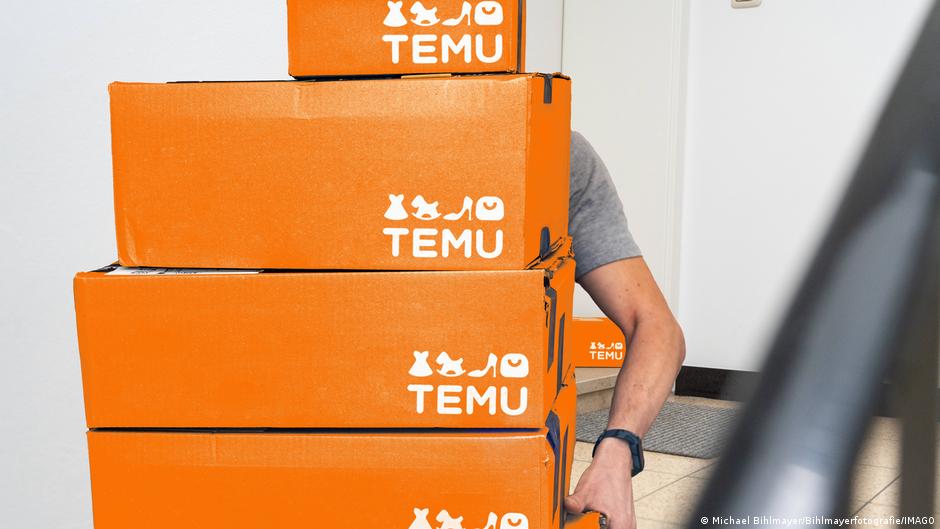

When Shein opened its first boutique last week in the BHV Marais in central Paris, the launch drew both protesters and long queues of shoppers — a reaction that captures the conflicted view many Europeans have of the fast-fashion powerhouse. Shein is frequently discussed alongside Temu, a broad online marketplace that links manufacturers directly with consumers and sells everything from clothing to electronics. Both have been criticized for counterfeit goods, aggressive marketing, poor labor conditions and unsafe products, yet their low prices and vast selections continue to attract large numbers of buyers.
A major driver of their European growth is the EU’s exemption from import duties on parcels valued under €150. The US recently closed a comparable loophole for packages under $800, which reduced shipments there; the EU plans to phase out its low‑value exemption but the change may not be fully implemented until around 2028, giving sellers more time to operate under the current rules.
According to company reports for the first half of 2025, Temu averaged roughly 115 million monthly active users in the EU while Shein averaged about 145 million — growth of around 12% compared with the prior six months.
Environmental and waste concerns are central to the debate. Most items sold on these platforms ship directly from Chinese factories to individual customers in single parcels, often flown in to meet fast delivery expectations. That model boosts emissions, burdens customs systems and complicates returns. Environmental groups point to increased clothing waste, piles of plastic and cardboard packaging, and the climate footprint from air freight as serious problems.
The scale is striking. A February European Commission report found about 4.6 billion low‑value items were imported into the EU in 2024 — double the 2023 total and more than triple 2022. Of roughly 12 million packages arriving daily, 91% originated from China. While Temu and Shein are not responsible for all those shipments, they make up a substantial share. “Europe is inundated by a tsunami of small parcels coming from China, and it’s not about to stop,” said Agustin Reyna, director general of the Brussels‑based European Consumer Organization (BEUC).
Consumer safety is another pressing issue. Regulators and consumer groups have repeatedly flagged products that fail to meet EU rules. Tests published on October 30 by Germany’s Stiftung Warentest, together with partners in Belgium and Denmark, found that out of 162 items purchased from vendors on Temu and Shein — including necklaces, USB chargers and baby toys — 110 did not comply with EU standards and about a quarter posed potential dangers. Failures ranged from high formaldehyde and cadmium levels to chargers that overheated.
BEUC says such unsafe practices also distort competition, allowing sellers that flout safety rules to undercut local businesses that must comply.
EU institutions and national authorities are beginning to respond. In May the European Commission notified Shein of suspected breaches of EU consumer law, citing tactics such as fake discounts, pressure to complete purchases, misleading information on consumer rights, deceptive labeling and greenwashing. In July the Commission preliminarily concluded Temu may have breached parts of the Digital Services Act by not doing enough to prevent illegal products on its marketplace; investigations are ongoing and could lead to substantial fines.
Countries are acting too. Germany’s antitrust authority opened proceedings in October to examine whether Temu interferes with pricing on its German marketplace, possibly setting final retail prices. Italy fined Shein €1 million in August for misleading environmental claims. France has taken especially tough measures: Shein was fined €40 million in July for misleading discounts and environmental statements, bringing its total French fines this year to €191 million. Paris is also considering stricter rules for fast‑fashion platforms, including an advertising ban, mandatory environmental reporting and a per‑garment levy of up to €10.
Even with penalties and regulatory scrutiny, Temu and Shein’s momentum is likely to persist unless enforcement and customs rules change significantly. “Europe needs to get its act together and make Temu and Shein accountable,” Reyna said, calling for clear responsibilities and deterrent consequences when products break EU rules.
Curbing the influx will require ambitious customs reform and much stronger market surveillance. But as long as the low‑value import exemption remains in force through the coming years, the loophole will enable continued growth and European shoppers may keep returning for low prices and wide choice.