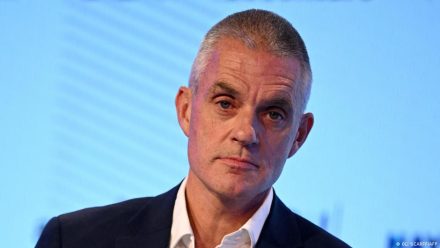
When Netflix agreed to buy much of Warner Bros. Discovery, many at CNN felt a cautious relief: Netflix planned to spin off CNN and the cable channels into a separate company, a move that appeared to preserve CNN’s chance to continue digital transformation rather than being absorbed into a different corporate culture. Mark Thompson, CNN Worldwide’s chairman and CEO, told staff the arrangement would help protect the network’s strategy and future.
That respite was fragile. Because the cable-news channels are part of a heavily indebted bundle, CNN can still be sold to other buyers even after the Netflix transaction. And President Donald Trump has publicly demanded a say in the network’s future, repeatedly attacking CNN and insisting it should be sold.
This account draws on interviews with seven current and former CNN employees, including reporters and executives, who spoke on condition of anonymity because of continuing uncertainty about jobs and ownership.
How CNN was put back in play
Warner CEO David Zaslav’s decision to split the company and solicit bids opened a competitive process that destabilized CNN’s prospects. David Ellison — backed by his father, Oracle co-founder Larry Ellison — entered the fray with a bid for the broader company and later pushed for more. The Ellisons have ties to Trump; David Ellison runs Skydance and has taken leadership at Paramount Global, which owns CBS, Paramount Studios and local TV stations.
Presidents do not control antitrust reviews, but Trump has shown a willingness to influence media transactions and to use political pressure. Industry watchers note that past dealings involving large media firms have intersected with political interventions that changed outcomes or dissipated resistance.
Moves under new potential owners have stoked worry among newsrooms. Since taking control at CBS, David Ellison and his team made changes staffers saw as moves to appease conservative critics: naming a conservative-leaning ombudsman, hiring right-leaning editorial figures, and scaling back diversity and inclusion initiatives. Those shifts increased anxiety among CNN staff about a potential Paramount tie-up, and helped explain why the Netflix option initially felt like a safer path.
Why CNN staff briefly felt relieved
Employees feared a merger with CBS and Paramount would mean deep cuts and consolidation, given past examples of corporate takeovers that led to layoffs and abrupt strategic reversals. The painful shutdown of CNN+ in April 2022 — canceled soon after a corporate change and followed by mass layoffs — remains a vivid memory and fuels skepticism about any ownership change.
Even with Netflix removing studios and streaming assets from contention, CNN and its sister cable channels remain available for sale. Potential buyers include conservative-leaning broadcast groups such as Nexstar or Sinclair, private-equity firms, or a renewed push from Paramount. Some staffers worry David Ellison could reemerge with a low-cost bid for the channels.
Trump’s posture and potential influence
Trump has long attacked outlets like CNN as “fake news” and has publicly pressured the network, calling for it to be sold. His statements — and his private ties to people involved in potential deals — have prompted staff to ask whether a future owner could face pressure from the White House or from allies of the president.
Paramount’s pitch and its backers
Paramount has not dropped out. The Ellisons increased their offer and framed a plan to combine studios, strengthen streaming and sports rights, and compete more directly with Netflix. They argue their approach better protects creators and industry economics than a deal that would fold studios into a single giant streamer.
Paramount’s bid also involves advisers and partners with connections to the Trump administration. Its chief legal officer served as head of the Justice Department’s antitrust division in Trump’s first term. Financing includes major sovereign and private investors such as Saudi Arabia’s Public Investment Fund, Abu Dhabi entities, the Qatar Investment Authority, and Affinity Partners, a U.S. fund associated with Jared Kushner. Paramount’s filings say those backers agreed not to seek board seats, but CNN staffers worry about indirect influence from foreign-state investors or those close to the president.
Critics point to broader concerns about media consolidation and influence. The Saudi crown prince’s suspected role in the killing of journalist Jamal Khashoggi remains a sore point for those wary of foreign influence in U.S. media. Lawmakers including Sen. Elizabeth Warren have warned that big mergers among streaming and media companies can concentrate power, hurt workers and creators, and raise prices for consumers.
What could happen next
Even if Netflix closes its deal, CNN’s final ownership could still change. Potential buyers remain on the table, and Paramount has continued to press its bid. Analysts and some CNN staff fear that a buyer with political connections or investors tied to foreign governments could introduce pressure on editorial priorities, whether directly or indirectly.
For now, the outcome is unresolved. Who will ultimately own CNN, and how much influence the president or investor backers might exert over the network’s editorial direction, is still an open question.