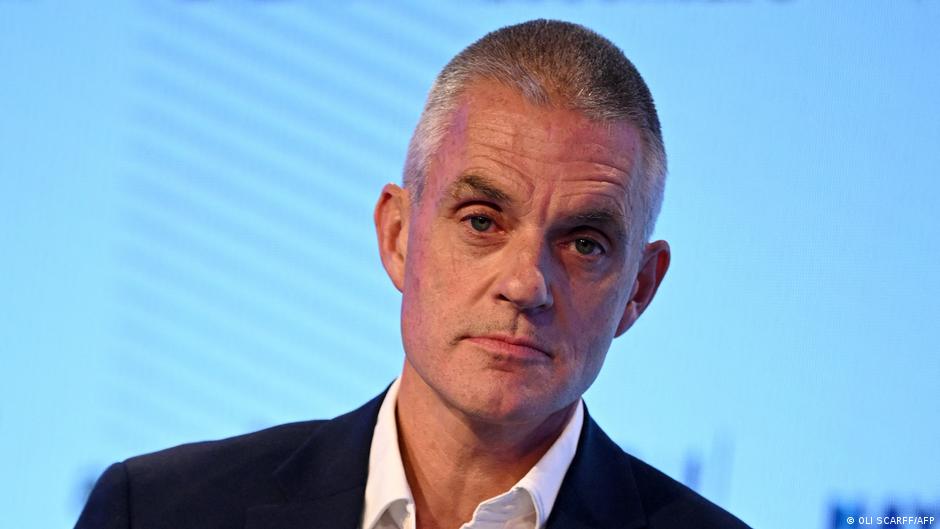

BBC Director General Tim Davie and head of BBC News Deborah Turness resigned on Sunday after intense criticism over how the broadcaster edited a speech by former US President Donald Trump in a documentary.
The departures come amid a wider period of turmoil for the BBC, which has faced accusations of losing political neutrality in its Israel-Hamas coverage and has been battered in recent years by child-abuse scandals and allegations of bullying and sexual assault involving high-profile presenters.
What the executives said
Davie said in a statement that “the BBC is not perfect and we must always be open, transparent and accountable.” He acknowledged that debate around BBC News had “understandably contributed to my decision” and said he must “take ultimate responsibility,” adding that the resignation was “entirely my decision.” He told staff he would work with the board to ensure an orderly transition to a successor over the coming months.
Turness told staff that questions about the Trump documentary had “reached a stage where it is causing damage to the BBC, an institution that I love. As the CEO of BBC News and Current Affairs, the buck stops with me.” She said mistakes had been made but defended the organisation against recent claims that BBC News is institutionally biased.
Reaction and pressure
Reuters reported a source saying the BBC board was stunned by Davie’s decision. Former President Trump welcomed the resignations, condemning “corrupt journalists” and calling them “very dishonest people who tried to step on the scales of a Presidential Election.”
The controversy intensified after the Daily Telegraph published parts of a dossier prepared by a BBC adviser on standards and guidelines. The memo criticised how a Panorama episode edited Trump’s January 6, 2021 speech, saying it omitted a section in which he urged supporters to protest peacefully and that the programme had spliced two parts of the address so he appeared to encourage the Capitol Hill riots.
The leaked document described “serious and systemic problems” with the BBC’s impartiality and called the Panorama edit “completely misleading.” Complaints prompted an inquiry by the UK media regulator and saw the White House label the BBC “fake news.”
Why the leadership change happened
As a publicly funded broadcaster bound by a royal charter and underwritten by the compulsory TV licence fee, the BBC is subject to intense scrutiny. Perceived breaches of impartiality attract strong criticism from politicians, viewers and competitors, and media observers say the combination of this episode and other recent controversies created unsustainable pressure on the two executives.
Edited by: Saim Dušan Inayatullah