
November 9 has been called Germany’s “day of destiny” because several decisive and contrasting events in modern German history all fell on that date. Each turned the country’s course in different directions.
On November 9, 1918, Social Democrat Philipp Scheidemann proclaimed from a Reichstag balcony that the reign of Kaiser Wilhelm II had ended and a republic had been proclaimed. Speaking to workers and soldiers, he framed the moment as a profound break with imperial rule and a call to build a new democratic order.
The fragile Weimar Republic that followed was assailed from both left and right. On November 9, 1923, Adolf Hitler and his followers staged the Beer Hall Putsch in Munich, marching to the Feldherrnhalle in an abortive attempt to seize power. The putsch collapsed; its failure left leaders imprisoned for a time but did not prevent the Nazi movement from later achieving national power.
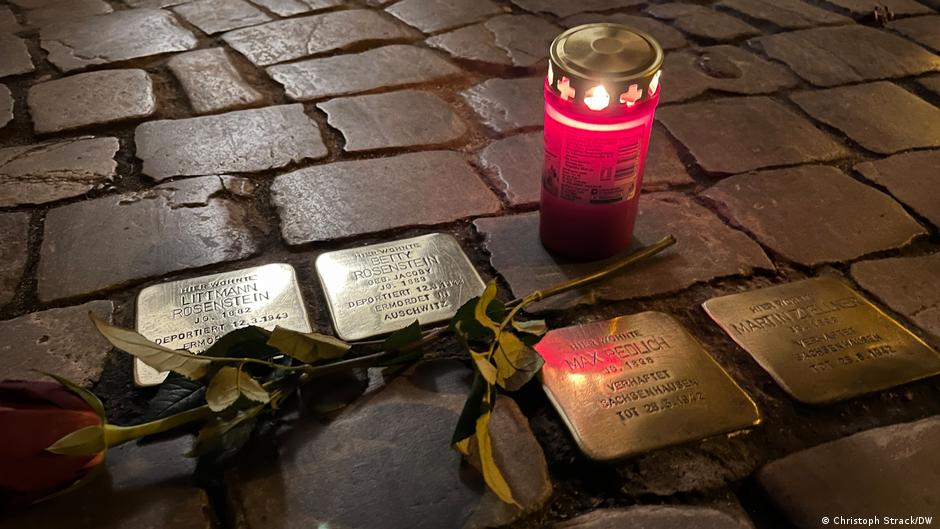
On the night of November 9–10, 1938, Nazi forces and antisemitic mobs carried out the pogrom now known as Kristallnacht, the Night of Broken Glass. Synagogues were set ablaze, Jewish homes and businesses were vandalized and looted, dozens of people were killed, and thousands of Jewish men were arrested and sent to concentration camps. These attacks marked a dramatic escalation of state-sponsored persecution that foreshadowed the Holocaust.
Half a century later, November 9, 1989, brought a profoundly different scene: East German authorities opened border crossings in Berlin, and citizens of East and West celebrated on and around the Berlin Wall. The breach of the wall accelerated the collapse of the German Democratic Republic and set the stage for German reunification the following year.
Revolution, a failed coup, violent persecution, and liberation—these events make November 9 a date that encapsulates many of the most dramatic and contradictory turns in 20th-century German history.