10 States Now Allow Plug-in Solar: A Money-Saving Solution
Learn about the states that have legalized plug-in solar systems and how they can reduce your energy bills.
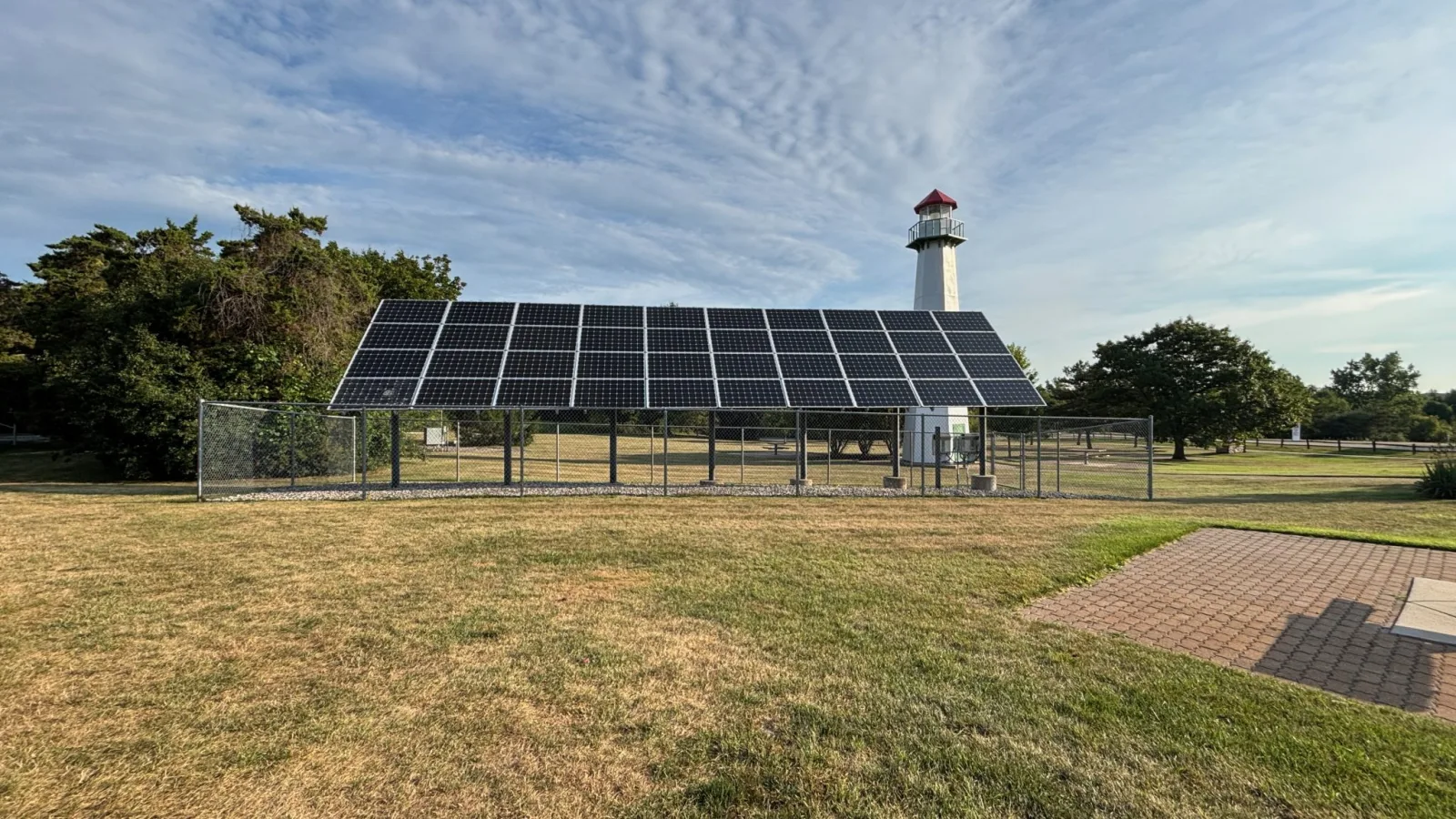
Embracing Plug-in Solar Energy
Plug-in solar systems, commonly known as backyard solar setups, enable homeowners to easily harness solar power. These compact systems consist of solar panels, an inverter, and a battery, allowing users to connect directly to a standard household outlet. This innovation not only promotes renewable energy sources but can also significantly reduce electricity bills.
States Leading the Charge
As of now, ten states have officially legalized the use of plug-in solar systems. This means residents in these areas can confidently install products like the EcoFlow Stream without facing legal barriers. The states that have embraced this technology include:
- Utah
- New Jersey
- California
- Colorado
- Massachusetts
- New York
- Vermont
- Washington
- Oregon
- Connecticut
This growing list highlights a shift towards more accessible renewable energy options for consumers.
Legislative Progress Across the Nation
In addition to the states that have legalized plug-in systems, approximately 24 others are currently working to establish similar regulations. While some bills have encountered delays and will not resume until the next legislative session, there are promising developments in several states:
- In Massachusetts, bills H.5175 and S3143 are making headway.
- The SUNNY Act is awaiting approval from the New York governor.
- States like Michigan, Ohio, and Pennsylvania are also reviewing relevant legislation.
However, many states, including Alaska, Arizona, and Iowa, have put their legislative efforts on hold until 2027, causing frustration for potential solar adopters.
Challenges in Expansion
Despite advancements in some regions, there are obstacles to widespread adoption. Plug-in solar proposals faced rejection in several states, including Georgia, New Mexico, and Oregon, complicating efforts to make these systems available. Lawmakers in these states may need to reintroduce revised bills in the future to address previous concerns.
Considerations for Homeowners
If you reside in a state that has legalized plug-in solar systems, there are still factors to consider before installation. Local regulations may influence your ability to set up such systems, particularly if you rent your home or are part of a homeowners' association (HOA). While some legislative efforts aim to limit utility companies from obstructing plug-in projects, they cannot override existing HOA or landlord restrictions.
The Future of Plug-in Solar
The primary barrier to plug-in solar systems stems from electrical engineering limitations in traditional homes. Unlike professionally installed rooftop solar, which channels energy through a circuit breaker, plug-in systems can potentially introduce electricity directly into home electrical outlets. This approach raises safety concerns, as the wiring may not handle the increased current. Furthermore, utility companies face potential revenue losses if more consumers harness solar energy independently.
With the rising interest in clean energy and the convenience of plug-and-play solar systems, it's clear that energy policies may eventually need to adapt. The successful legalization in various states marks a significant step toward broader acceptance of renewable energy, paving the way for a more sustainable future.