
Debunking Nuclear Energy Myths: Insights from Ian Ang
Nuclear energy scientist Ian Ang tackles misconceptions and advocates for nuclear safety in Singapore.
Nuclear energy scientist Ian Ang tackles misconceptions and advocates for nuclear safety in Singapore.

Suncor Energy's stock has increased by 4.46%, driven by strong oil price forecasts and significant asset sales.
Christa Pike's legal team shares her emotional state following a failed execution, while other significant events unfold across the nation.
A new documentary explores Elon Musk's rise to prominence and his recent embrace of right-wing politics.

In a bid to streamline operations, Netflix announces the layoff of approximately 1,000 employees, marking a significant workforce reduction.

During a rally, Trump suggested severe penalties for government leakers, criticizing both them and the media.

China's trade surplus reached $938 billion in the first nine months of 2023, propelled by unexpected export growth.
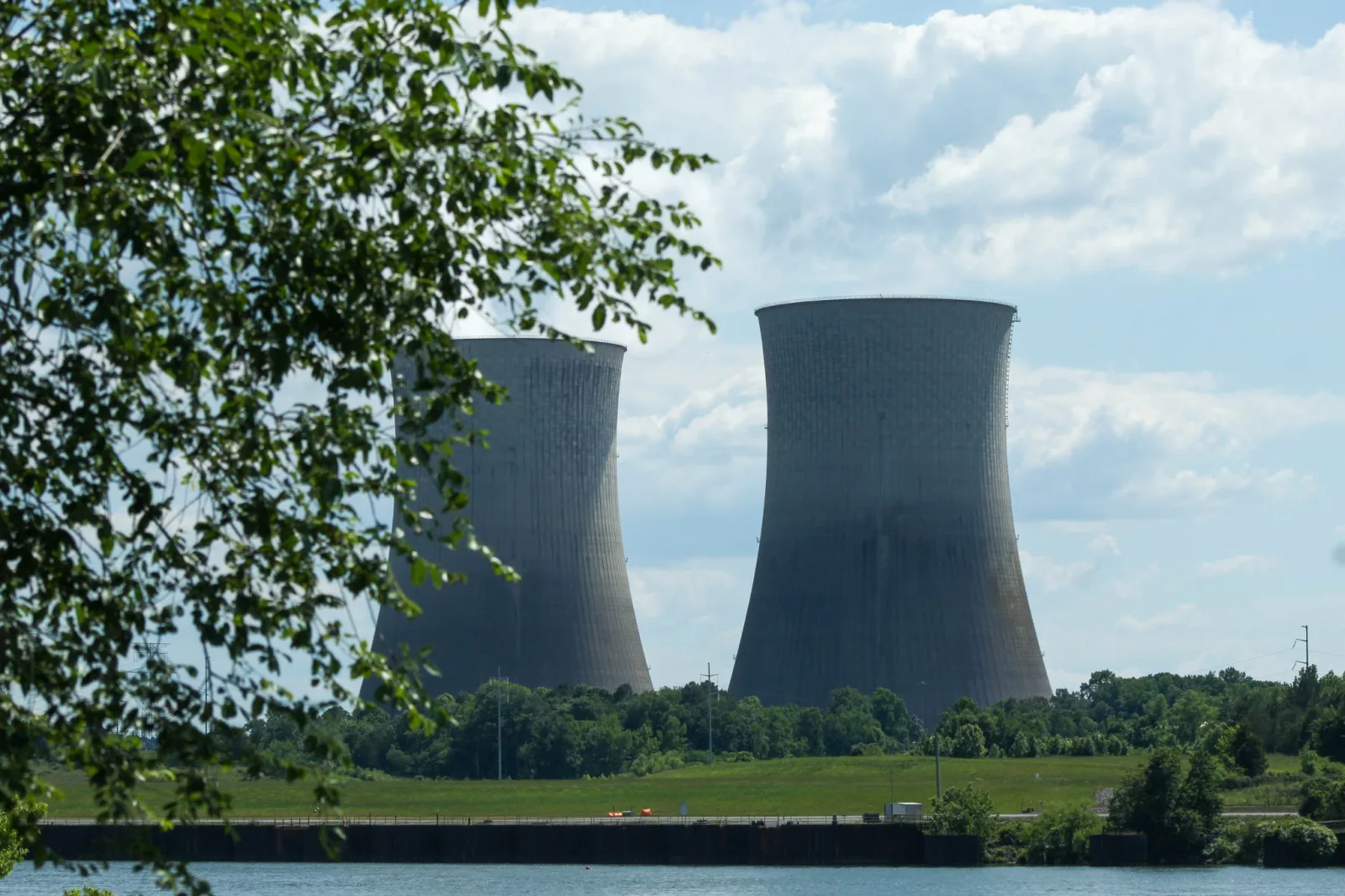
Google teams up with Constellation to boost nuclear energy generation for its growing data centers.
Diamondback Energy's stock rises 4.39% as analysts boost price targets, reflecting strong performance in the oil sector.
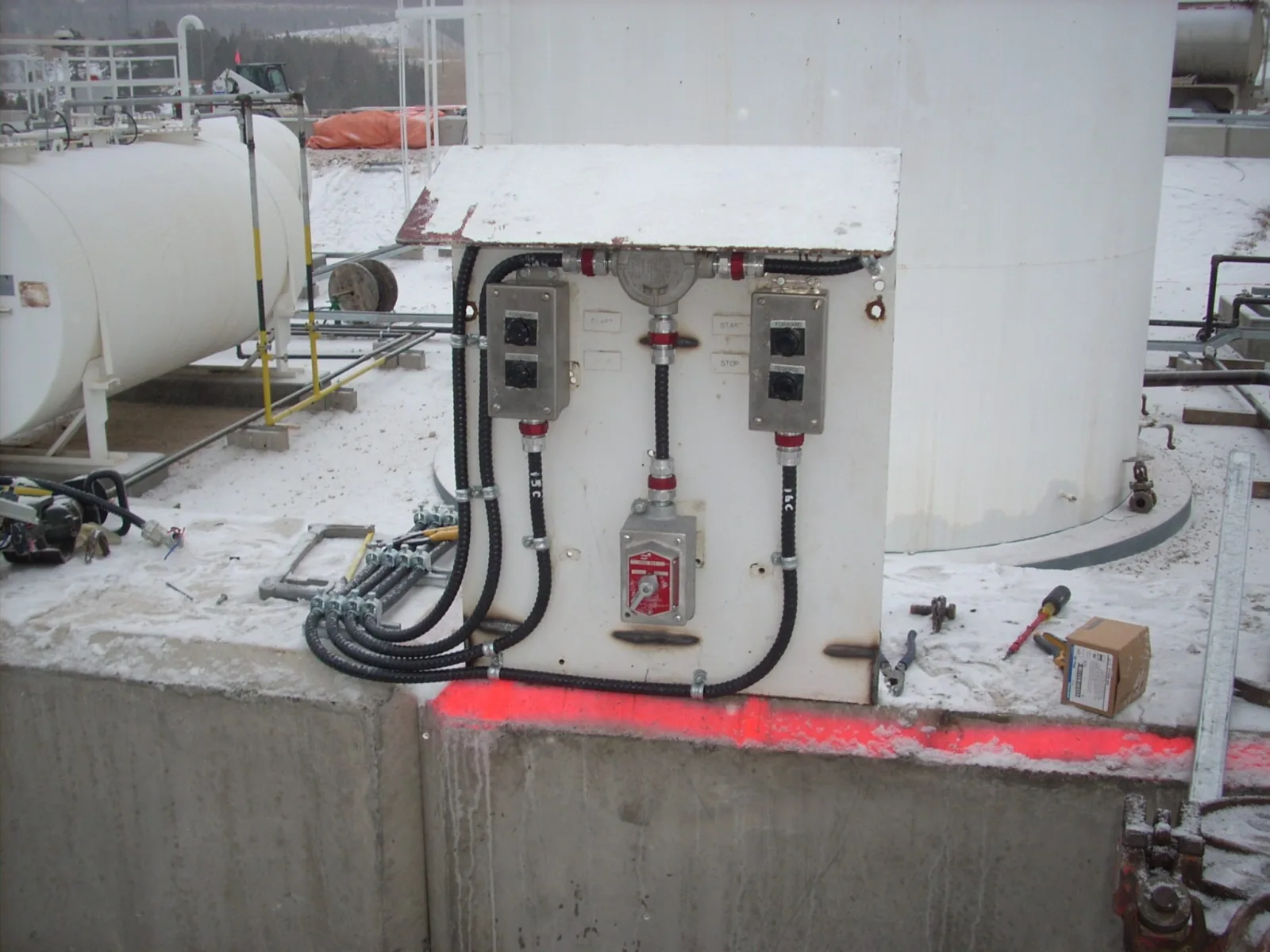
President Trump announces a major diesel supply agreement with Russia as part of his efforts to lower U.S. energy costs.

Elon Musk reveals a prototype of the Tesla Roadster that can briefly take flight, eight years post-announcement.

Tech stocks lose over $1 trillion in value as Brent crude oil hits high levels, raising concerns about interest rates.