A Tragedy in the High Himalayas: What Nepal’s Glacier Collapse Means for the World
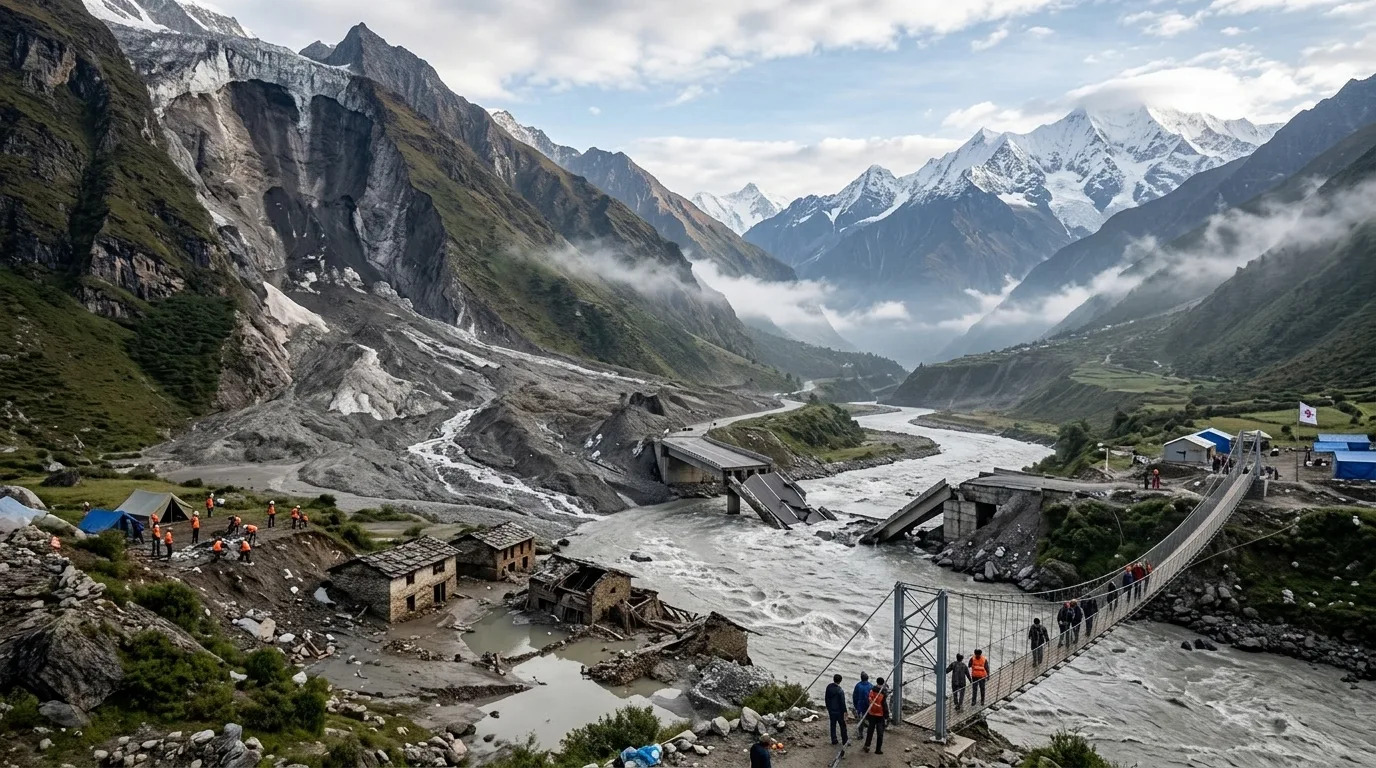
On August 26, 2026, a massive bedrock failure and glacier collapse near Mount Langtang Lirung sent millions of cubic meters of ice, rock, and water roaring down the Lende Khola and Trishuli River valleys. The surge was so powerful that it generated seismic energy equivalent to a magnitude 5.2 earthquake. Within hours, whole settlements, roads, bridges, and hydroelectric projects along a 60-mile stretch were swept away.
The human toll is devastating. Official reports confirm over 1,300 dead, with thousands still missing. Beyond the immediate tragedy, this catastrophe exposes the urgent, systemic challenges facing high-mountain communities in a warming world.
The Cascade Effect: Anatomy of a Modern Disaster
Unlike traditional heavy-rainfall floods, this disaster was triggered by a compound alpine event—a massive collapse of rock and ice from high elevations that melted and entrained debris as it hurtled downstream.
The disaster highlights critical vulnerabilities in mountain infrastructure:
- Infra Fragility: Vital links like the Gyirong border crossing and key highways were severed instantly, cutting off isolated communities from emergency help.
- Early Warning Gaps: Existing seismic and hydrologic monitoring systems failed to distinguish the glacier failure from a standard earthquake, causing a critical delay in alerts downstream.
- Energy Disruptions: Multiple hydroelectric plants along the river basin were heavily damaged, knocking out regional power supplies.
Climate Injustice at 15,000 Feet
Nepal produces less than 0.1% of global greenhouse gas emissions, yet its communities suffer some of the most catastrophic impacts of climate change. Rising temperatures degrade the permafrost and ice that act as glue for high-altitude mountains. As these natural binders melt, massive rockfaces and glacial ice become dangerously unstable.
The Nepali government’s call for $20 million in immediate climate loss-and-damage funds highlights a growing reality: vulnerable countries need targeted financial support to survive the climate crisis. Rebuilding after this single event is estimated to cost upwards of $5 billion.
What Happens Next?
As search and rescue operations give way to long-term recovery, the road ahead requires fundamental changes to how mountain regions prepare for disaster:
- Cross-Border Protocols: Establishing real-time environmental monitoring networks across the Nepal-China border to catch early signs of glacier instability.
- Resilient Design: Rebuilding roads, bridges, and energy facilities farther from active floodplains and designing them for shifting river dynamics.
- Upgraded Alerts: Implementing automated multi-hazard warning systems that alert residents directly via cell networks.
The collapse in Langtang is a clear warning. As mountain glaciers melt, governments and international bodies must adapt quickly to protect vulnerable communities living downstream.