A Contested Election Season Is Being Fought Over Administration, Not Ideas
A Supreme Court application over mail-in ballots, redistricting disputes and primary endorsements are shaping November well before the campaign proper.
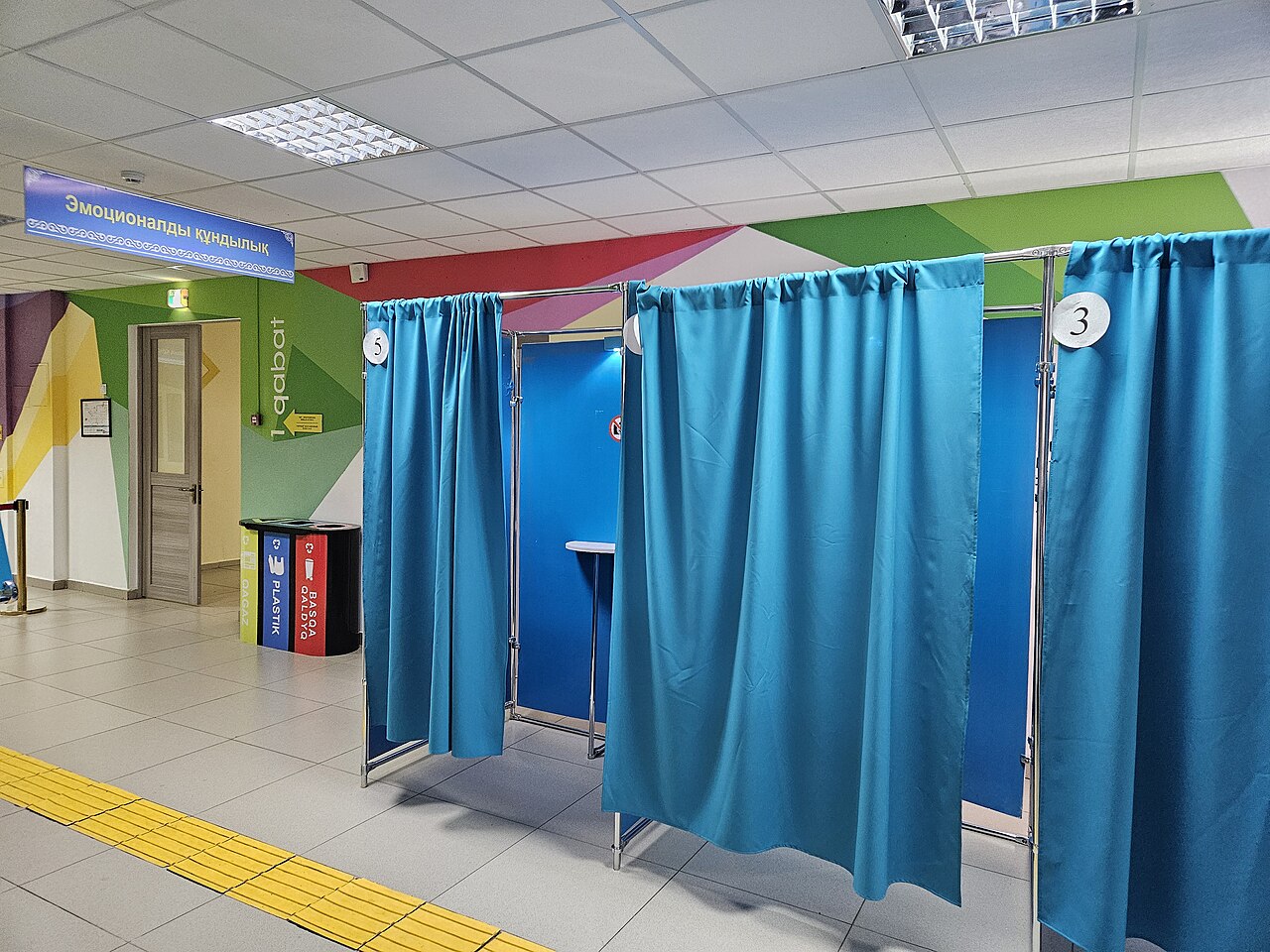
The most consequential activity in American politics this autumn is not happening on a campaign trail. It is happening in courtrooms, redistricting commissions and primary contests — the machinery that determines the conditions under which November's vote occurs.
What is in play
- The administration has asked the Supreme Court to allow a new Postal Service rule on mail-in ballots to take effect, after a federal judge blocked parts of it.
- Redistricting disputes continue, including arguments among Democratic candidates over how aggressively to pursue favourable maps.
- Primaries have shaped the field, with President Trump's endorsements a significant factor in gubernatorial and House contests.
Why this is where the leverage is
Democrats need a net gain of three House seats and four Senate seats. At those margins, the rules governing which ballots are counted, and the boundaries determining which voters are grouped together, can be decisive in a way that campaign messaging rarely is.
Both parties understand this, which is why election administration has become one of the most heavily litigated areas of American law.
The competing accounts
The Center for American Progress — an advocacy organisation opposed to the administration — has argued that the administration is interfering in the midterms in ways that entrench executive power. The administration rejects that characterisation, framing its actions as ordinary federal rulemaking.
What is not in dispute: the federal government is seeking to change how mail-in ballots are handled less than two months before a national election, and a court has blocked part of that change pending review.
The emergency docket problem
Applications like this reach the Supreme Court on its emergency docket, decided quickly, on limited briefing, often without full argument or detailed reasoning.
That process has drawn criticism across the legal spectrum for resolving significant questions with minimal deliberation. The calendar leaves little room for anything else — a rule settled after ballots are printed cannot be implemented.
The underlying trend
Redistricting reduces the number of competitive districts; primaries determine winners in most of the rest. Between them, a growing share of general election outcomes is settled before the general election. That is a structural feature of the current system, and it is why procedural fights command the attention they do.