A Glacier Collapse, a Fire Season and a September Record in One Week
More than 1,200 dead in Nepal, 12 killed by Algerian wildfires, and Spain matching its September heat record — three events with one underlying driver.
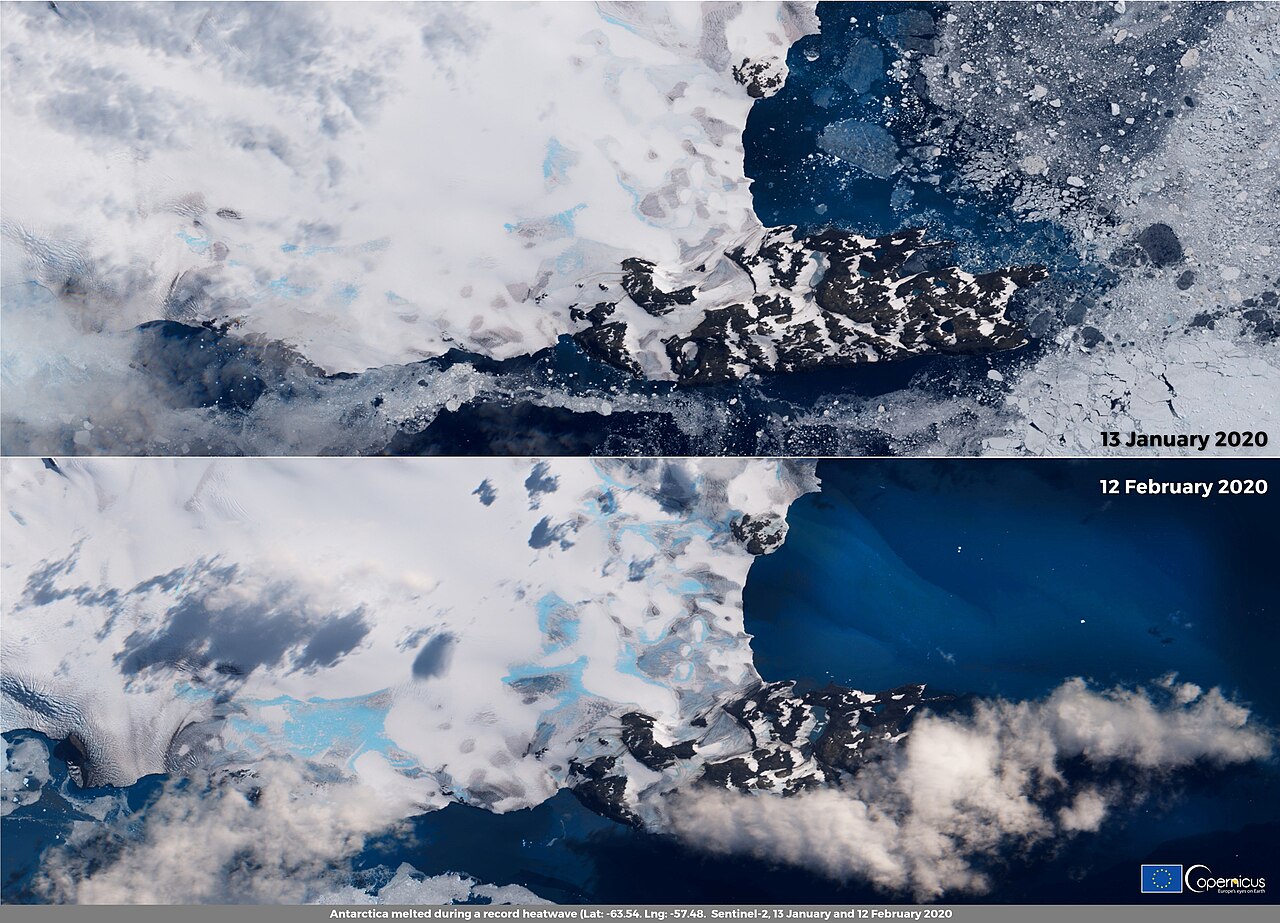
Three events this week, on three continents, that would each be reported as a national story. Read together they describe a single physical process arriving at different addresses.
Nepal: more than 1,280 dead
A glacier collapse high on the Nepal-China border sent an enormous volume of water down the Bhote Koshi valley. The confirmed toll has passed 1,280, with close to 3,000 missing.
The mechanism is specific to a warming climate. Retreating glaciers leave meltwater pooled behind unstable natural dams of rock and debris. When one fails, the lake empties into the valley at once. Hundreds of such lakes have formed across the Himalaya, and the number grows as ice loss accelerates.
A subsequent report found warning signs had been visible beforehand.
Algeria: 12 killed, three days of mourning
Wildfires in northern Algeria killed 12 people and injured dozens. The southern Mediterranean's fire season has been lengthening for two decades — starting earlier, ending later, and producing conditions in which fires that were once containable are not.
Spain: 45.7C in September
Spain matched its September heat record at 45.7C, following a summer of repeated heatwaves. Records falling outside the traditional peak matter more than midsummer records: they indicate a lengthening season rather than a hotter one, and the shoulder months are where that shows first.
What connects them
Warming does not primarily manifest as a uniformly hotter world. It manifests as the redistribution of extremes — more energy in the system, expressed as events at the tail of the distribution:
- Ice loss that destabilises terrain built on the assumption of permanence.
- Fire weather that extends past the season resources are organised around.
- Heat records in months that were not previously record territory.
The adaptation lag
The common failure across all three is not detection. Glacial lake monitoring exists; fire risk is forecast; heat warnings are issued.
The failure is in the chain from observation to action — early-warning systems that do not reach the valleys, firefighting resources scheduled for a shorter season, and infrastructure designed against baselines that have already moved.
COP31 convenes in Antalya in November. Adaptation finance will be on the agenda, as it has been at every previous COP.