A Sea Squirt Compound Reversed Signs of Ageing in Older Mice
Stanford scientists found that a substance from edible sea squirts appeared to reverse several markers of ageing — a result that warrants interest and caution in equal measure.
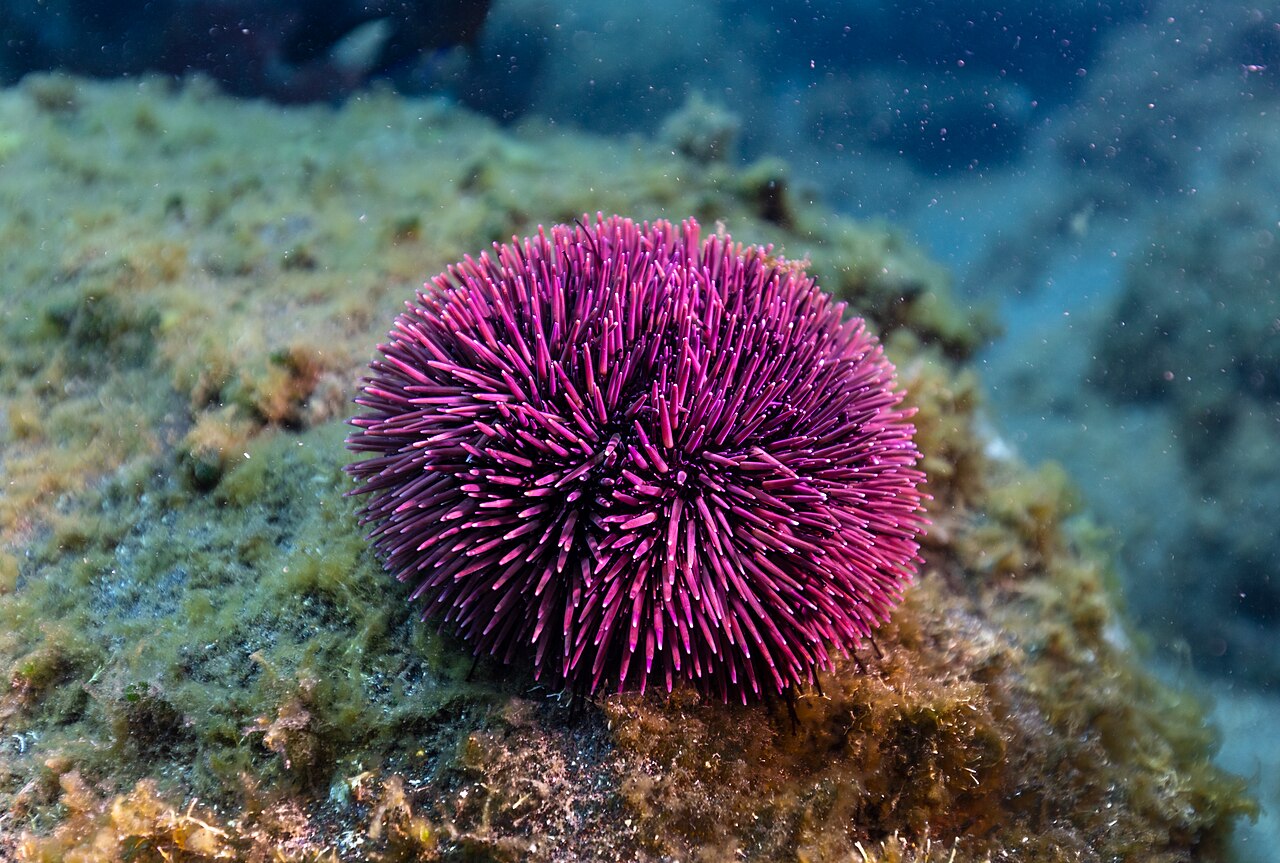
Scientists at Stanford have found that a substance occurring in edible sea squirts appeared to reverse several signs of ageing in older mice.
Why marine invertebrates keep appearing in this research
Sea squirts are filter-feeding marine animals — unremarkable to look at, and biochemically productive in ways that make them interesting to researchers.
Sessile marine organisms cannot flee predators or competitors, so many have evolved elaborate chemical defences instead. That chemistry has proved a recurring source of compounds with pharmacological activity, several of which have reached clinical use.
What "signs of ageing" means
The phrase carries more ambiguity than it appears to. Ageing research measures a range of markers:
- Cellular — senescent cell accumulation, mitochondrial function, DNA damage.
- Tissue-level — muscle mass, bone density, organ function.
- Functional — strength, cognition, mobility.
Improving a cellular marker is not the same as extending healthy life. Interventions have repeatedly improved biomarkers without producing animals that live longer or better — which is the outcome that would matter.
The caution this field requires
Ageing research has an unusually poor translation record. Numerous compounds have reversed ageing markers in mice; very few have shown comparable effects in humans.
The reasons are structural:
- Laboratory mice are genetically uniform and live in controlled conditions that bear no resemblance to human variation.
- Mouse lifespans are short, allowing effects that would not scale across decades.
- Human trials for ageing require timescales and endpoints that are extremely difficult to fund or design.
How to read this result
As a finding worth pursuing, not a discovery worth acting on. It identifies a compound with measurable effects in an animal model — the earliest stage of a pipeline that most candidates leave without reaching a clinic.
The commercial environment around longevity is enthusiastic and largely unregulated, and results like this are routinely marketed well beyond what they support. The distance between a mouse study and a supplement is very great, and the supplements arrive first.