Algeria Declares Three Days of Mourning After Wildfires Kill 12
Dozens more were injured as fires swept through northern Algeria, in a fire season that has again tested the country's emergency response.
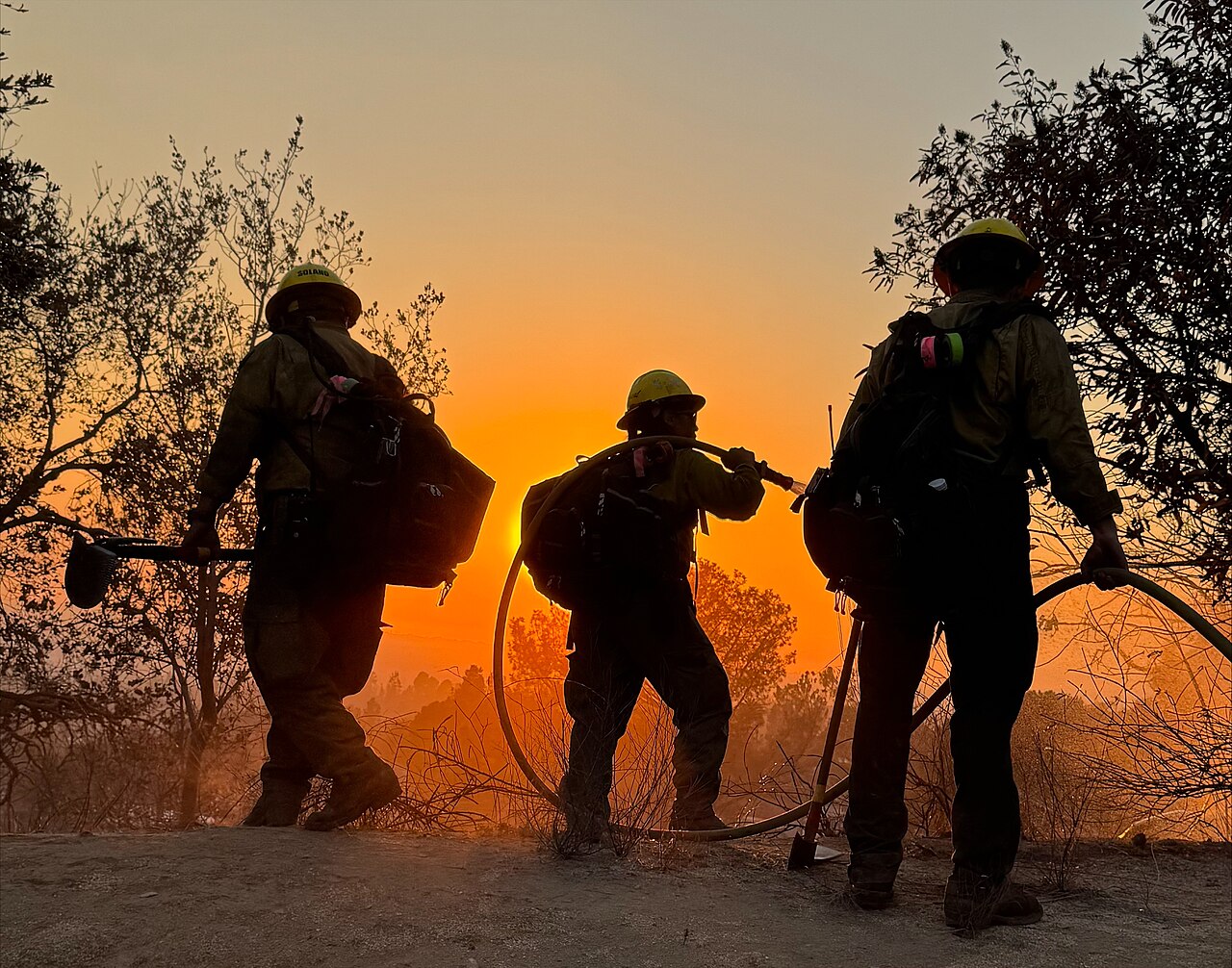
Algeria has declared three days of national mourning after wildfires killed 12 people and left dozens more injured.
The fires moved through wooded terrain in the country's north, the region that carries the bulk of Algeria's forest cover and the bulk of its fire risk. Emergency services worked through conditions that have become grimly familiar across the southern Mediterranean: high temperatures, low humidity, and winds capable of pushing a fire front faster than crews can establish a line in front of it.
A pattern, not an anomaly
Algeria has now had repeated deadly fire seasons in quick succession. The northern forests sit in a band of the Mediterranean where the fire season has been lengthening for two decades — starting earlier, ending later, and producing conditions in which fires that would once have been controllable escape containment.
Across the wider Mediterranean the same pattern has held this year. Spain matched its September heat record at 45.7C in the same period, following a summer of repeated heatwaves.
What makes these fires lethal
Fatalities in Mediterranean wildfires tend to cluster around a small number of factors, and this season has shown all of them:
- Speed of spread — wind-driven fires can outpace evacuation, leaving people trapped on roads.
- Rural settlement patterns — scattered villages at the forest edge are hard to evacuate quickly.
- Stretched resources — multiple simultaneous fronts divide aircraft and crews.
The response, and the reckoning
Mourning declarations are the immediate political response; the harder questions arrive afterwards. Previous Algerian fire seasons have prompted debate over aerial firefighting capacity, forest management, and whether early-warning systems reach the rural communities most exposed.
Those debates have not yet produced a fire season with materially fewer deaths. This one, on current evidence, will not be the exception.