Attack in Sudan's South Kordofan Kills More Than 21
The killings add to a civilian toll in a conflict that has produced one of the world's largest displacement crises with comparatively little international attention.
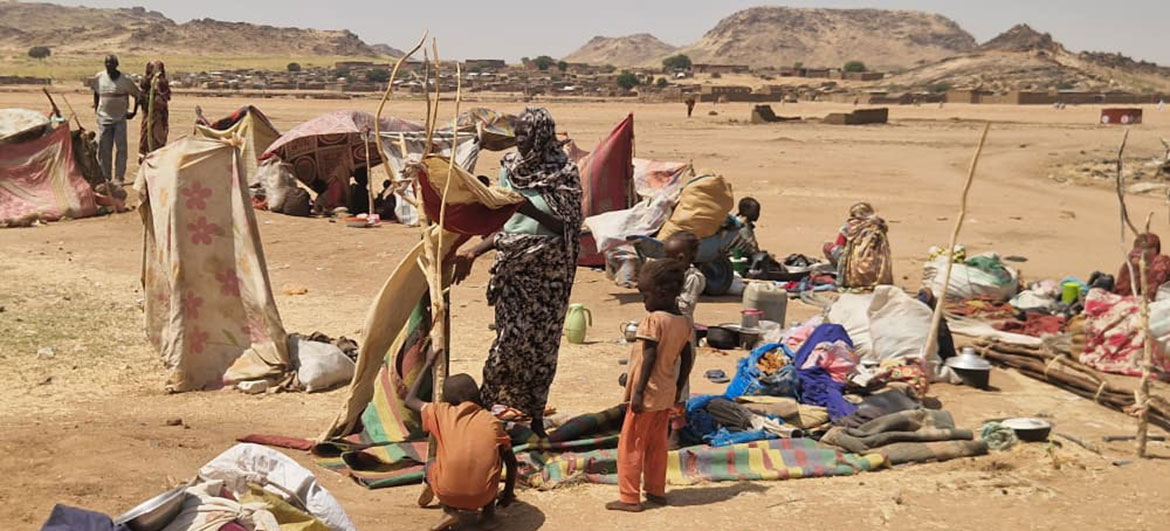
A fresh attack in Sudan's South Kordofan state killed more than 21 people this week, the latest in a pattern of violence against civilians that has defined the country's war.
A conflict measured in displacement
Sudan's war has produced one of the largest displacement crises in the world. Millions have been forced from their homes, either within the country or across borders into neighbouring states that have limited capacity to receive them. The humanitarian response has been consistently and severely underfunded relative to the scale of need.
South Kordofan sits in a part of the country with a long history of armed conflict predating the current war, which has left it with entrenched armed actors and civilian populations who have been displaced repeatedly across decades.
Why civilians bear the cost
The war has been characterised less by front lines between armies than by control of territory, supply routes and population centres. In that kind of conflict:
- Civilians are not incidental to the fighting but frequently its object.
- Humanitarian access depends on negotiating with multiple armed actors, none of whom has an obligation to grant it.
- Agriculture and markets collapse in the affected areas, converting a security crisis into a food security crisis.
The attention problem
By almost any measure — deaths, displacement, hunger — Sudan ranks among the most severe humanitarian emergencies anywhere. It has received a fraction of the diplomatic energy and media coverage directed at conflicts of comparable or smaller scale.
That gap has consequences beyond the moral one. International funding appeals track attention, and attention has not tracked need. Aid agencies operating in Sudan have spent the war rationing assistance among populations that all qualify for it.
What would change the trajectory
There is no active negotiation with the standing or the leverage to produce a ceasefire. In its absence, the realistic near-term objective is narrower: humanitarian corridors that hold long enough for aid to reach South Kordofan and the other areas cut off from it.