Chevron Expands in Venezuela Days After Washington's Oil Deal
The US Energy Secretary flew to Caracas to finalise an agreement that gives the Pentagon a stake in the profits — and drew protests from within the governing coalition.
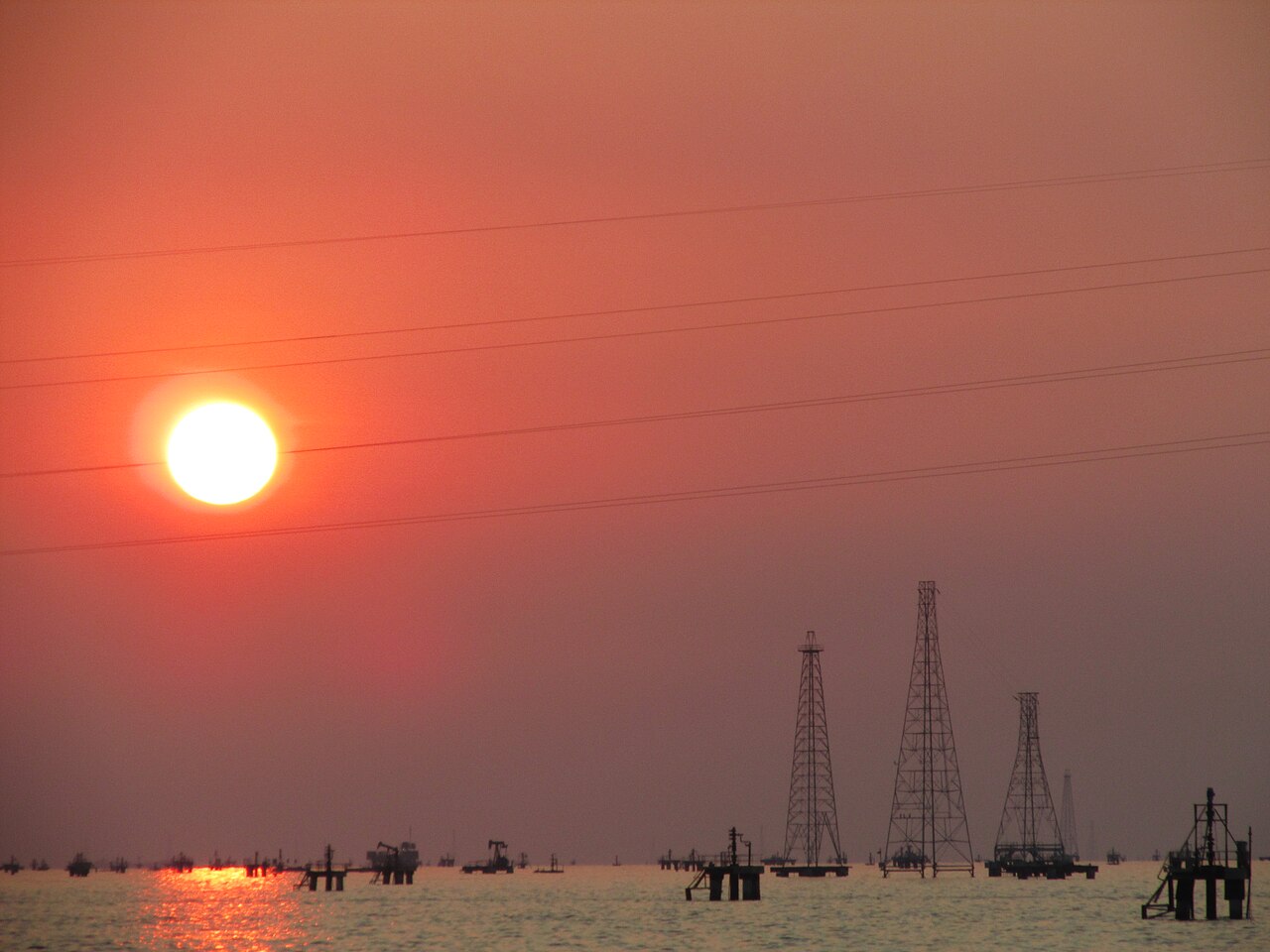
Chevron has confirmed it is expanding operations in Venezuela, days after President Donald Trump announced an agreement to develop the country's oil reserves under terms that include a Pentagon stake in the profits.
US Energy Secretary Chris Wright travelled to Caracas on Tuesday night to finalise the arrangement.
An unusual structure
The most striking feature is the profit stake assigned to the Department of Defense. Resource agreements between a US administration and a foreign government normally run through commercial operators and the tax system. Routing a share of revenue to the defence budget is a departure from that pattern with no recent precedent at this scale.
The reserves themselves explain the interest. Venezuela sits on among the largest proven crude reserves in the world, most of it heavy and sour, requiring specialised refining capacity — the kind concentrated on the US Gulf Coast. The geological fit between Venezuelan crude and American refineries has always been the reason this relationship persists through political ruptures.
Opposition on both flanks
The agreement drew protests in Caracas over the weekend — not from the opposition, but from socialists and communists within the governing coalition's own base, who read the deal as a surrender of the resource nationalism the movement was built on.
That is the sharper political problem for Caracas. External criticism is manageable. Criticism from a governing coalition's own ideological core is not.
The market context
The timing is not incidental. Crude traded around $92 a barrel this week, up nearly 18% over the past month and roughly 48% year on year, with Middle East disruption constraining supply. Additional heavy crude from the western hemisphere has more value to the US in that environment than it would have had two years ago.
What is still unresolved
- Whether production can actually be raised — Venezuelan oilfield infrastructure has suffered years of underinvestment.
- How the sanctions architecture built around Venezuela is unwound in practice.
- Whether an agreement of this kind survives a change of administration in either capital.
Chevron's expansion is the first concrete step. Whether the barrels follow is a question of capital expenditure and engineering, and both take considerably longer than a signing ceremony.