Chevron's Venezuela Expansion Puts a Sanctioned Market Back in Play
The oil major is expanding operations after Washington's agreement with Caracas, testing whether reserves that size can be brought back to production.
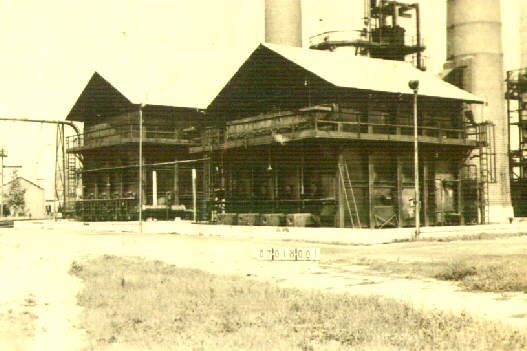
Chevron is expanding its Venezuelan operations following an agreement between Washington and Caracas to develop the country's oil reserves — an arrangement that includes a Pentagon stake in the profits, and one that US Energy Secretary Chris Wright travelled to Caracas to finalise.
The commercial logic
Venezuela holds among the largest proven crude reserves in the world. The crude is heavy and sour, requiring specialised refining capacity — and that capacity is concentrated on the US Gulf Coast, which was built to process exactly this grade.
That physical complementarity has survived every political rupture between the two countries. It is the reason this relationship keeps being reconstructed.
Why now
Price. Crude traded around $92 a barrel this week, up roughly 48% year on year, with Middle East disruption constraining supply and Strait of Hormuz limitations blunting the effect of higher OPEC+ quotas.
Additional heavy crude from the western hemisphere — outside the Hormuz chokepoint entirely — carries a strategic premium in that environment that it would not have commanded two years ago.
The obstacles are physical
Announcing an agreement is considerably easier than producing barrels. Venezuelan oilfield infrastructure has endured years of underinvestment, and restoring output requires:
- Substantial capital expenditure on wells, pipelines and upgrading facilities.
- Technical expertise that has largely left the country.
- Time measured in years, not quarters.
The risk a company underwrites
The commercial case rests on political arrangements holding. Sanctions frameworks have been relaxed and re-imposed before, and the agreement is already drawing protest from within Venezuela's own governing coalition, where socialists and communists have objected to the terms.
An oil major committing capital on a multi-decade horizon is betting that this settlement outlasts the administrations that made it. That has not historically been a safe assumption in Caracas or in Washington.