COP31 Heads to Antalya in November With the Emissions Gap Still Open
Turkey hosts the summit from 9-20 November with Australia presiding over negotiations, and the central task is a round of national plans strong enough to close the gap before 2030.
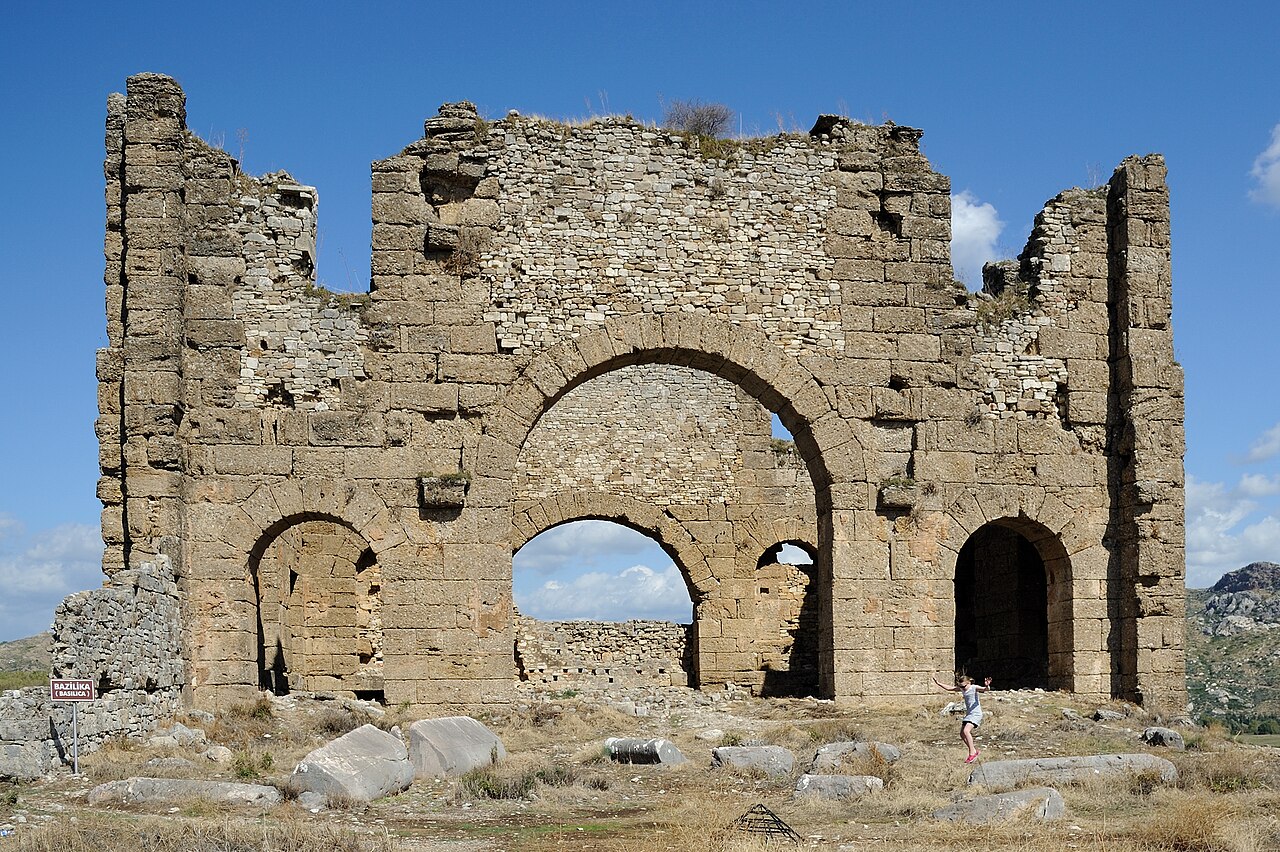
COP31, the 31st United Nations Climate Change Conference, will be held at the Expo Center in Antalya, Turkey from 9 to 20 November 2026. Turkey hosts; Australia takes the role of President of Negotiations.
The arithmetic the summit has to confront
The Global Stocktake established that the world is not on track to hold warming below 1.5°C. The numbers behind that finding are specific:
- Global greenhouse gas emissions must fall by around 43% by 2030 against a 2019 baseline to stay consistent with 1.5°C.
- On current unconditional pledges, warming could reach 2.8°C by the end of the century.
That is the gap. Antalya's central task is to secure a round of national climate plans — the NDCs 3.0 — strong enough to narrow it before 2030 arrives.
Why 2030 is the binding date
Emissions pathways are cumulative. A target for 2050 can be met by many different trajectories, but the ones that keep 1.5°C in reach all require steep reductions in the near term. Deferred cuts have to be larger and faster later, and eventually the required rate exceeds what is physically achievable.
Which makes the 2030 checkpoint the one that determines whether the longer targets remain arithmetic or become aspiration.
The unusual presidency arrangement
Turkey hosting while Australia presides over negotiations is a compromise arrangement, resolving competing bids. It is not merely procedural: the presidency shapes the agenda, brokers the compromises, and largely determines what a summit is able to deliver.
Australia's own position — a major fossil fuel exporter with an ambitious domestic renewable build-out — gives it credibility with both sides of the room and vulnerability to criticism from each.
The run-up
Preparations have moved into delegate confirmations and the September implementation programme, with Climate Week Baku running 7-11 September including an Implementation Forum.
These preparatory meetings matter more than their coverage suggests. COP outcomes are largely negotiated in advance; the summit itself resolves what remains and provides the deadline that forces resolution.
The measure of success
Not the language of the final text, which is always contested and usually ambiguous. The test is whether the submitted NDCs, added together, move the projected 2.8°C figure meaningfully downward.