Crew-13 Prepares for a 12 September Launch to the Space Station
Two Americans, a Canadian and a Russian are set to fly to the ISS aboard a SpaceX spacecraft under NASA's Commercial Crew Programme.
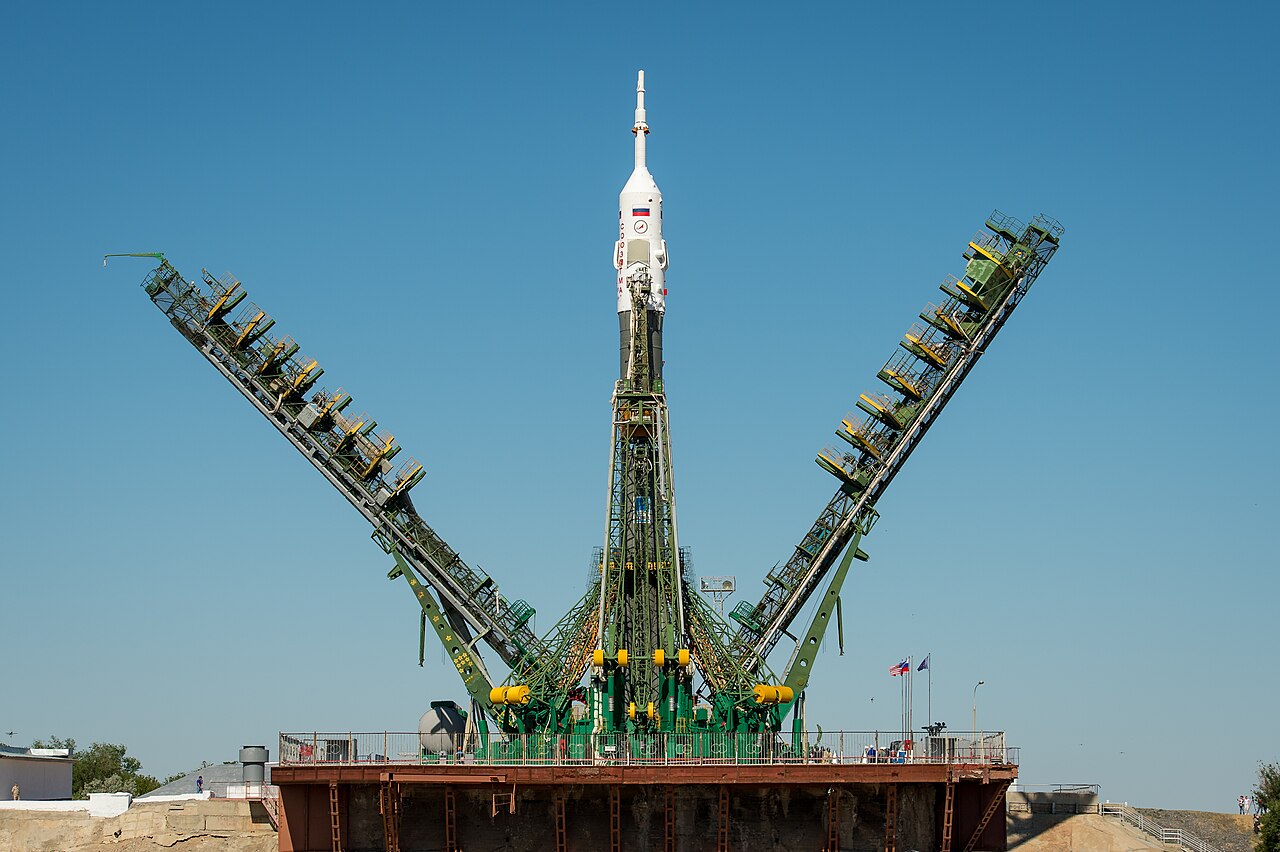
Four astronauts are expected to launch to the International Space Station aboard a SpaceX spacecraft as soon as 12 September, on the Crew-13 mission under NASA's Commercial Crew Programme.
The crew comprises two Americans, a Canadian and a Russian.
The crew composition is the story
A Russian cosmonaut flying on an American commercial spacecraft, alongside American and Canadian colleagues, is worth pausing on given everything else happening between these governments.
US envoys held talks with President Putin in Moscow last weekend that produced no breakthrough on Ukraine. Russian forces launched 108 drones at Ukrainian targets overnight; Ukraine continued striking Russian oil infrastructure.
And a Russian will board an American rocket on 12 September.
Why the seat-swap arrangement exists
The integrated crew arrangement is not sentimental. It is an engineering requirement built into how the station operates.
The ISS has American and Russian segments, each with systems its own cosmonauts and astronauts are trained to operate. If all Americans launched on American vehicles and all Russians on Soyuz, a grounding of either vehicle would leave one segment without qualified crew.
Mixing crews across vehicles means that whatever is flying, both segments remain operable. The arrangement survived because removing it would degrade the station's safety for everyone aboard.
Commercial Crew, seven years on
The programme's premise was that NASA should buy transportation as a service rather than own and operate the vehicles. That has now been demonstrated across many crew rotations, ending the period after the Shuttle's retirement when the United States could not launch its own astronauts.
The launch rate around it
SpaceX's crew flights sit within an extraordinary cadence. A Falcon 9 launched Starlink satellites from Vandenberg Space Force Base on 1 September, and the company flew its 80th Starlink mission of 2026 on 5 September.
Eighty missions of a single constellation in roughly eight months is a launch tempo that had no precedent before this decade — and it is the operational base that makes crewed flights routine rather than exceptional.