Crude Reaches $92 in Its Strongest Week Since July
Oil rose to $92.06 a barrel on 6 September, up nearly 9% on the week and roughly 48% year on year, as US-Iran strikes resumed after a month's pause.
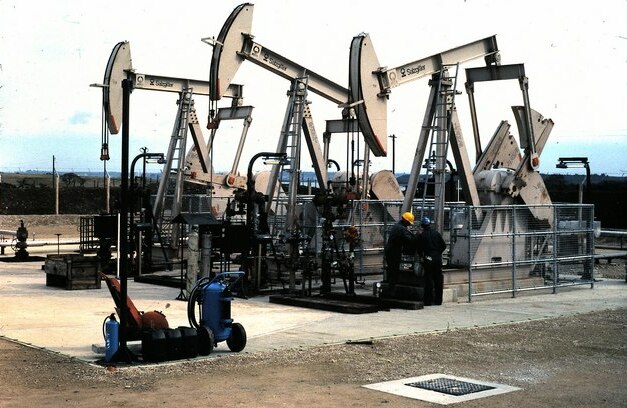
Crude oil reached $92.06 a barrel on 6 September, up 0.63% on the day and capping a week in which the price rose nearly 9% — its strongest weekly performance since mid-July.
The longer comparisons are more striking still. Crude is up roughly 17.75% over the past month and approximately 48% year on year.
What drove the week
The immediate catalyst was the resumption of US-Iran strikes after a gap of around a month. Iran's Revolutionary Guard announced missile and drone operations against American positions in Jordan, Bahrain and Iraq on 2 September.
Oil markets price the probability of supply disruption rather than disruption itself. An escalation that threatens production or transit raises that probability, and the price moves before a single barrel is lost.
Why extra OPEC+ barrels have not helped
Saudi Arabia, Russia and five other key OPEC+ members agreed to raise September output by 188,000 barrels per day, completing the phased rollback of voluntary cuts. The alliance is expected to pause further increases for the remainder of 2026.
The reasoning is the most important detail in the whole energy picture: Strait of Hormuz constraints limit the real-world impact of higher quotas. A quota is permission to produce. If the barrels cannot get to market, additional permission accomplishes very little — which is why the group sees no purpose in raising quotas further.
The bottleneck is refining, not crude
The tighter constraint sits downstream. Damage to refineries in the Middle East and Russia, combined with limited capacity elsewhere to compensate, has left refined products scarcer than crude:
- US diesel prices reached their highest level since mid-2022 this week.
- European product inventories remain well below seasonal norms.
Refineries take years to build and cannot be brought online in response to a price signal. Forecasters expect global fuel prices to stay elevated into next year for that reason alone.
Where it lands
Directly in monetary policy. Energy is a principal driver of the inflation now pushing the Federal Reserve toward a rate rise and the ECB toward 2.75%. The price of crude has become, in effect, an input to the interest rate on a mortgage.