Dangote Refinery Cleared for a N2.15tn Listing
Nigeria's securities regulator has approved an IPO that would rank among the largest in the country's market history, as GDP growth reached 4.43%.
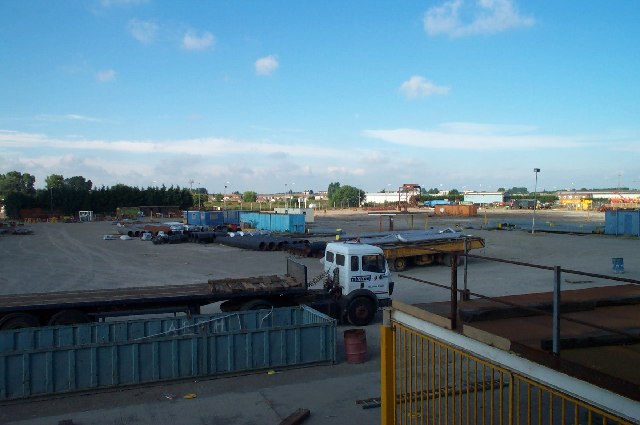
Nigeria's Securities and Exchange Commission has approved the Dangote Petroleum Refinery's plan for an initial public offering valued at N2.15 trillion — a listing that would rank among the largest in the country's market history.
It arrives alongside second-quarter GDP growth of 4.43% year on year.
The asset
The refinery addresses a contradiction that has defined Nigeria's energy economy for decades: one of the world's larger crude producers importing most of its refined fuel. That arrangement exported the value-added stage of the industry and tied domestic fuel supply to import financing and foreign exchange availability — the mechanism behind repeated fuel crises.
A domestic refinery operating at scale removes that dependency. Listing it publicly changes who owns the resulting economics.
What a listing this size does to a market
- It gives domestic institutions — pension funds above all — a large-cap industrial asset in a market that has few.
- It brings a strategically significant private company under public disclosure obligations.
- It tests whether domestic capital can finance assets at this scale without external creditors.
That last point is the broader significance. African economies routinely borrow abroad at rates disconnected from their default history, converting exchange-rate movements into fiscal crises. A large domestic listing that prices and absorbs demonstrates an alternative route.
The execution risk
Approval is not completion. A listing of this magnitude depends on whether domestic institutional demand exists at the price sought, and on foreign investor appetite for Nigerian assets — which has been constrained by currency concerns.
Large IPOs in emerging markets have been pulled or repriced before on exactly these grounds.
What it would mean if it works
A functioning domestic route to large-scale capital, in the continent's largest economy, at a moment when its GDP growth has moved decisively above population growth for the first time in years.