Drug Pricing Deals Reach 26 Manufacturers After Nine More Sign On
President Trump announced agreements with nine additional pharmaceutical companies on 31 August, bringing the total with most-favored-nation arrangements to 26.
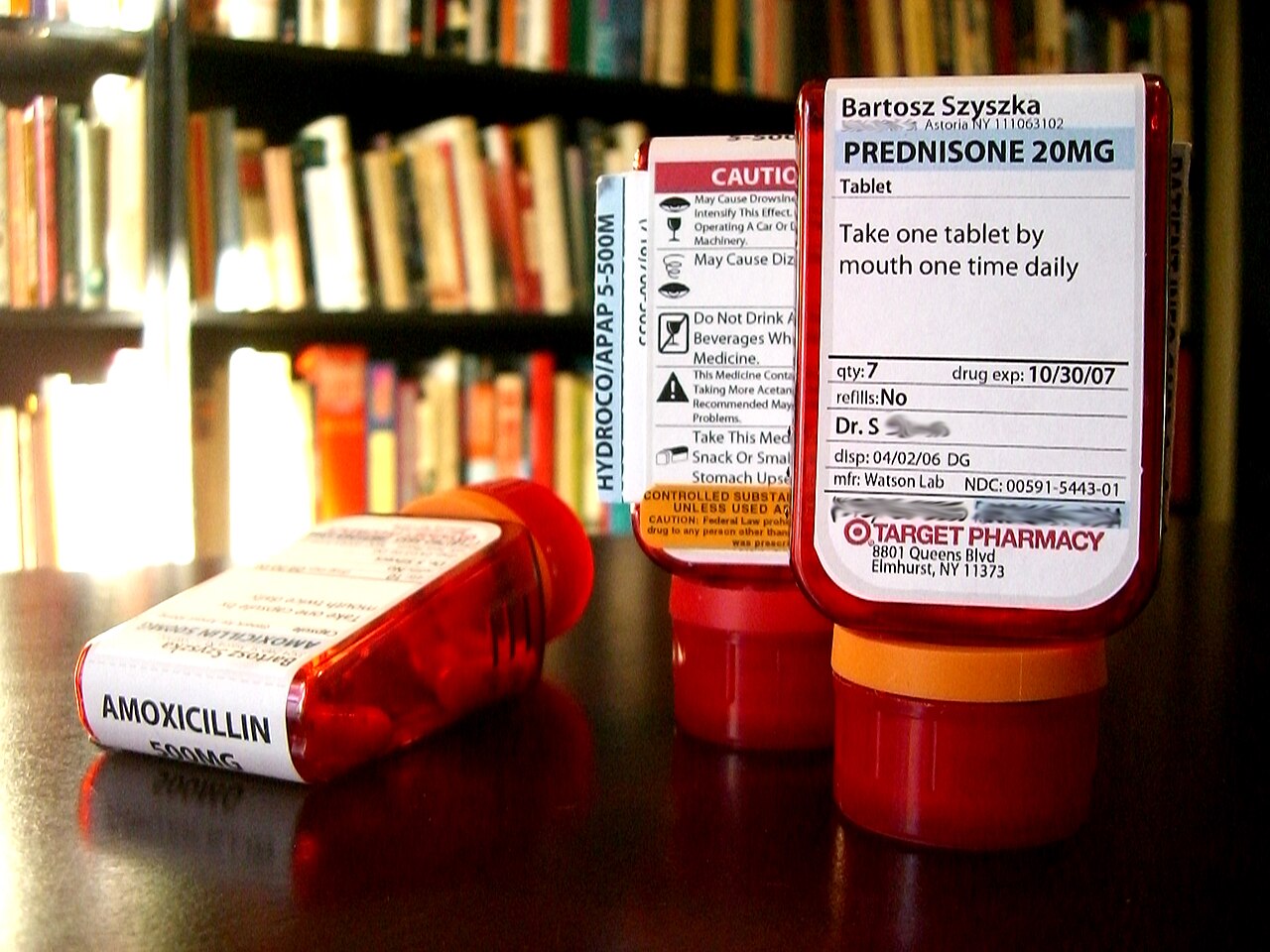
President Trump announced drug pricing agreements with nine additional pharmaceutical manufacturers on 31 August 2026, bringing the total number with most-favored-nation arrangements to 26.
What most-favored-nation pricing means
The principle is that the United States should not pay more for a medicine than comparable wealthy countries do. In practice, American list prices for many branded drugs have run substantially above those in other high-income markets — the result of a system in which prices are negotiated by fragmented private purchasers rather than set by a single national buyer.
A most-favored-nation arrangement ties the US price to those international benchmarks.
Why manufacturers are agreeing
Twenty-six voluntary agreements is a substantial number for an industry that has historically resisted price regulation. The calculation is straightforward enough:
- A negotiated arrangement is more predictable than legislation or rulemaking that could be less favourable.
- Participation buys a seat in shaping how the benchmarks are defined.
- Agreements can be structured around specific products rather than applying across a whole portfolio.
The industry's counter-argument
Manufacturers have long held that higher US prices fund global research and development, and that reducing them shifts the burden of financing new medicines onto a smaller base — with fewer drugs developed as the eventual result.
Critics respond that R&D spending is a fraction of revenue, that marketing costs are substantial, and that the argument has been made against every attempt at price restraint without the predicted consequences appearing.
What is not yet known
The detail determines the effect. Which products are covered, how the international benchmark is calculated, whether the reductions reach patients at the pharmacy counter or are absorbed within the rebate system that sits between manufacturer and consumer.
American drug pricing has a long record of headline reductions that did not reach the people paying.
The tariff complication
Running in the opposite direction: tariffs on certain patented pharmaceuticals and their ingredients took effect for some companies on 31 July and reach all remaining companies on 29 September.
One policy pushes prices down through negotiated benchmarks. The other raises input costs on medicines whose demand is inelastic and whose substitutes frequently do not exist.