Eskom Reports a Second Straight Profitable Year as Earnings Double
South Africa's state power utility doubled profit and posted consecutive years in the black, a reversal for a company that was the country's central economic problem.
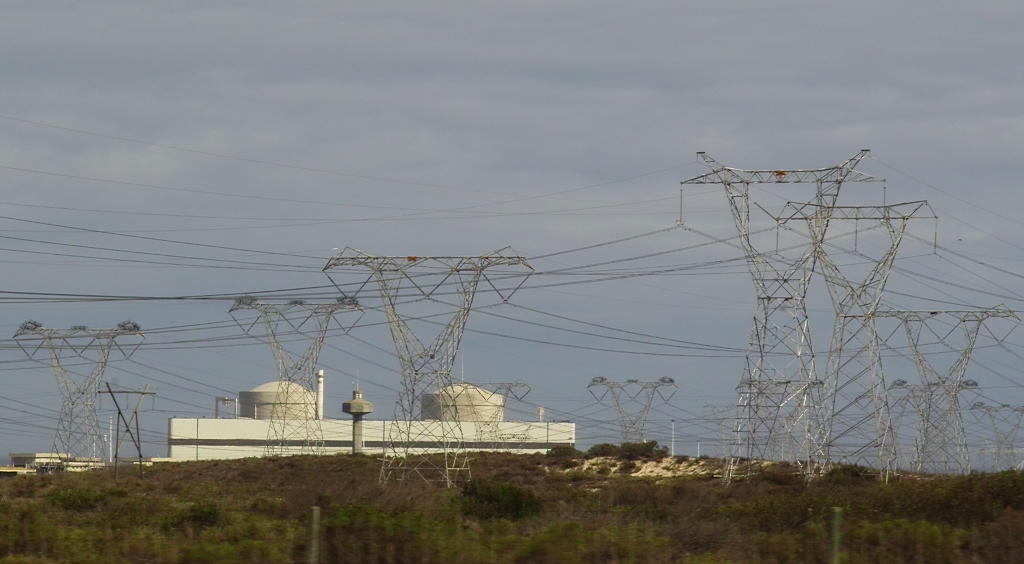
Eskom has doubled its profit and reported a second consecutive profitable year — a sentence that would have read as fiction at almost any point in the past decade.
South Africa's state-owned power utility spent years as the single largest drag on the national economy. Load shedding — the rolling blackouts imposed when generation could not meet demand — shut factories, damaged small businesses, and became the most reliable predictor of the country's growth rate.
What changed
The turnaround has come from a combination of factors rather than a single fix:
- Improved plant availability — the coal fleet running closer to its nameplate capacity rather than well below it.
- Tariff increases, which improved revenue per unit sold and were politically contentious for exactly that reason.
- Debt restructuring through government support, which reduced the interest burden that had been consuming the utility's cash.
- Private generation entering the grid, which took pressure off Eskom's own fleet at peak.
Why "profitable" needs an asterisk
Two profitable years do not resolve Eskom's structural position. The utility carries a debt load that would be onerous for a much larger company, its generating fleet is old and requires sustained capital spending, and a meaningful share of its revenue improvement came from customers paying more for the same electricity.
Higher tariffs have their own economic cost. Energy-intensive industry and low-income households both feel them, and the political tolerance for further increases is finite.
The transition question
Eskom's fleet remains overwhelmingly coal-fired, in a country under international pressure to decarbonise and with abundant solar and wind resource. Building that replacement capacity while servicing existing debt and maintaining ageing plants is the harder problem, and one that profitability alone does not solve.
The measure that counts
For South African businesses, the accounts are secondary. The metric is how many hours of load shedding the year contains. Two profitable years suggest the utility has stabilised; sustained, uninterrupted supply is what would prove it.