Eskom's Second Profitable Year Leaves the Harder Problem Untouched
South Africa's utility doubled profit, but its fleet is old, coal-heavy and facing a transition that profitability alone does not finance.
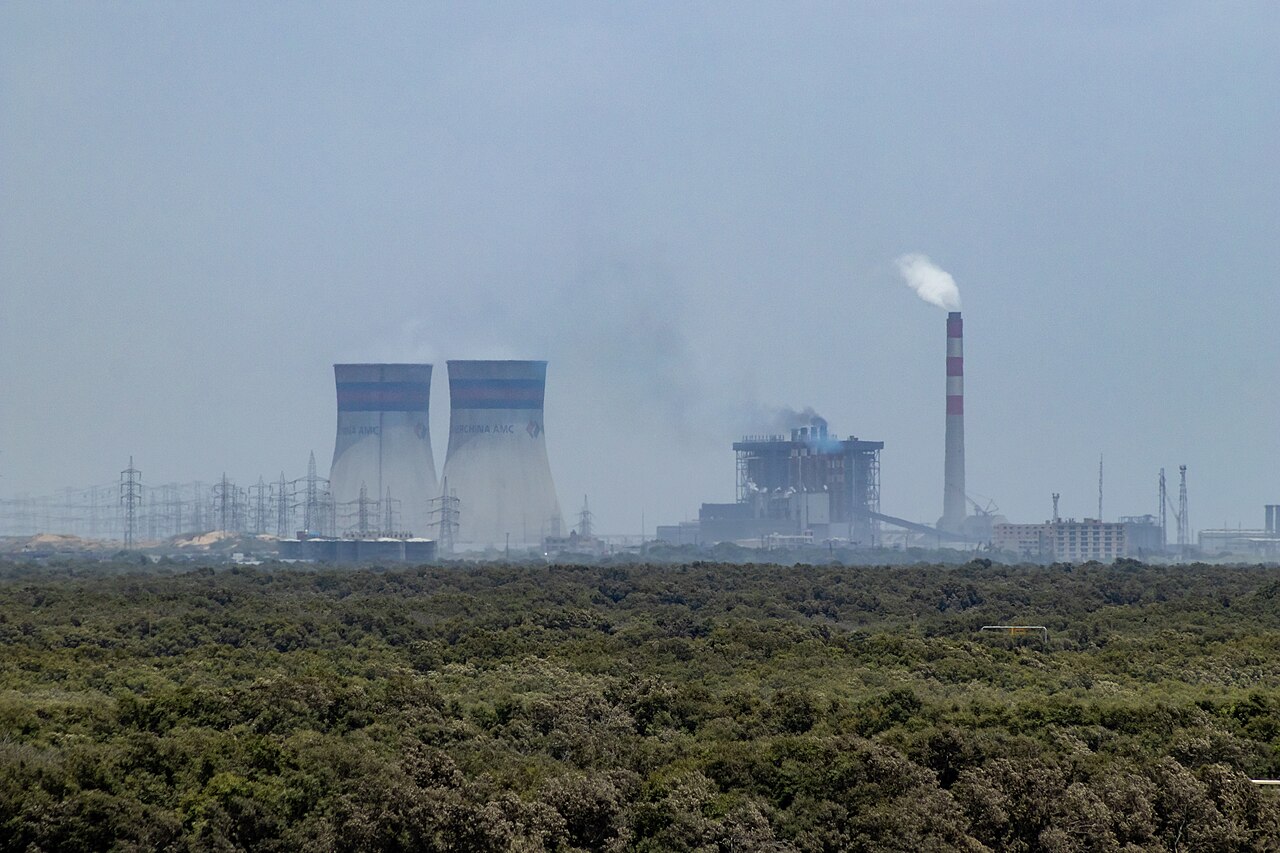
Eskom doubled its profit and posted a second consecutive year in the black — a genuine turnaround for a utility that spent a decade as South Africa's central economic problem.
It does not resolve what comes next.
How the turnaround was achieved
- Improved plant availability, with the coal fleet running closer to its rated capacity.
- Tariff increases, raising revenue per unit sold.
- Debt restructuring with government support, easing the interest burden.
- Private generation entering the grid, reducing peak pressure on Eskom's own plants.
Two of those four — tariffs and debt support — improved the accounts without improving the power system. Customers and taxpayers funded them.
The transition problem
Eskom's generating fleet remains overwhelmingly coal-fired, in a country with abundant solar and wind resource and under sustained international pressure to decarbonise. The plants are old and require continuous capital just to keep running.
That produces a three-way squeeze on the same balance sheet:
- Maintaining ageing coal plants to keep the lights on today.
- Servicing a debt load that remains large despite restructuring.
- Financing replacement renewable capacity for tomorrow.
Two profitable years do not fund all three.
The tariff ceiling
Higher tariffs improved the accounts and carry their own economic cost. Energy-intensive industry — a substantial part of South Africa's employment base — and low-income households both bear them. The political tolerance for continued increases is finite, and arguably already reached.
The measure that actually counts
For South African businesses and households, the annual report is beside the point. The metric is hours of load shedding.
Two profitable years suggest the utility has stabilised. Sustained, uninterrupted supply through a full year — including winter peak — is what would prove the turnaround is real rather than accounting.