Europe's Fire Season No Longer Ends When the Resources Do
Algeria's fires killed 12 in September, and Spain matched a September heat record. Firefighting capacity is still organised around a shorter summer.
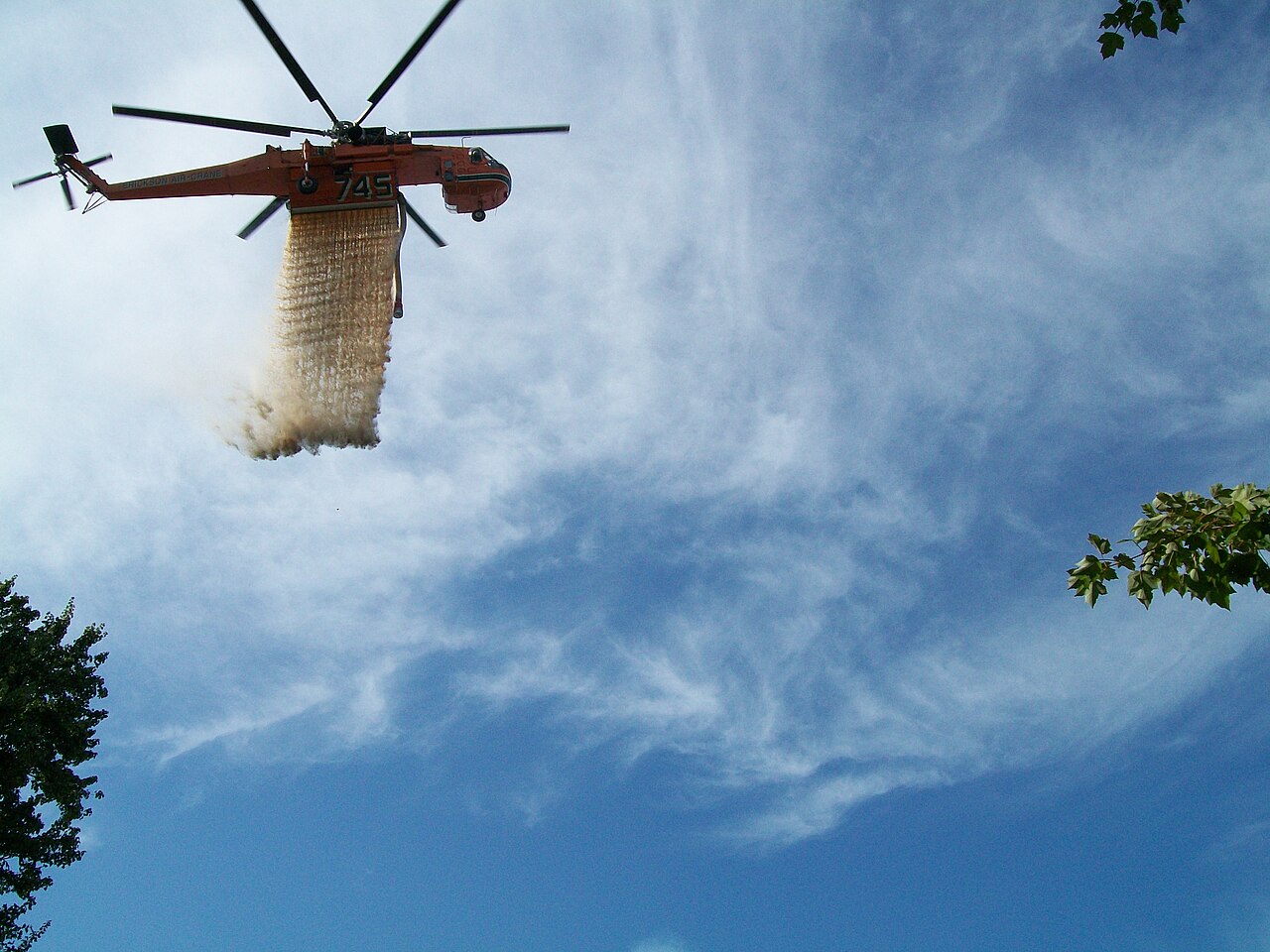
Algeria declared three days of national mourning after wildfires killed 12 people and injured dozens. In the same week, Spain matched its September heat record at 45.7C.
Both events sit outside the season that Mediterranean firefighting capacity is built around.
The mismatch
Fire services across southern Europe and North Africa scale up for a defined summer period — seasonal crews hired, aircraft contracted, standby arrangements activated. Those arrangements have historically wound down through September.
The fire weather has not been observing the same calendar. The Mediterranean season has been lengthening for two decades, starting earlier and ending later, which leaves a widening window in which conditions are dangerous and resources are being stood down.
What makes September fires lethal
- Fuel loads are at their driest after a full summer of desiccation.
- Resources are thinner as seasonal contracts expire.
- Public vigilance drops — people treat the danger as past.
- Wind-driven spread can outpace evacuation, which is how fatalities occur in numbers.
Why the Mediterranean leads the trend
The Mediterranean basin has been warming faster than the global average, making it an early indicator of impacts arriving later elsewhere. Spain's September record and Algeria's September fires are the same signal read from opposite shores of the same sea.
The fix, and why it is hard
Extending the fire season is straightforward in principle: longer crew contracts, aircraft retained further into autumn, sustained public warnings. All of it costs money, every year, against a risk that in any given September may not materialise.
Budgets are set annually against historical averages. The averages are moving faster than the budgets, and the gap is closed only after a season with a death toll.
The wider context
COP31 convenes in Antalya from 9 November, where adaptation finance will be discussed as it has been at every previous summit. Adaptation has consistently attracted less funding than mitigation — harder to measure, harder to attribute, and politically less rewarding.
A longer fire season is exactly the kind of problem adaptation finance exists to address, and exactly the kind that keeps losing the argument for it.