FDA Authorises Emergency Mpox Diagnostic as Outbreak Response Scales
An emergency use authorisation for an in vitro diagnostic device is the standard early move in an outbreak, and the one that determines what everything else can do.
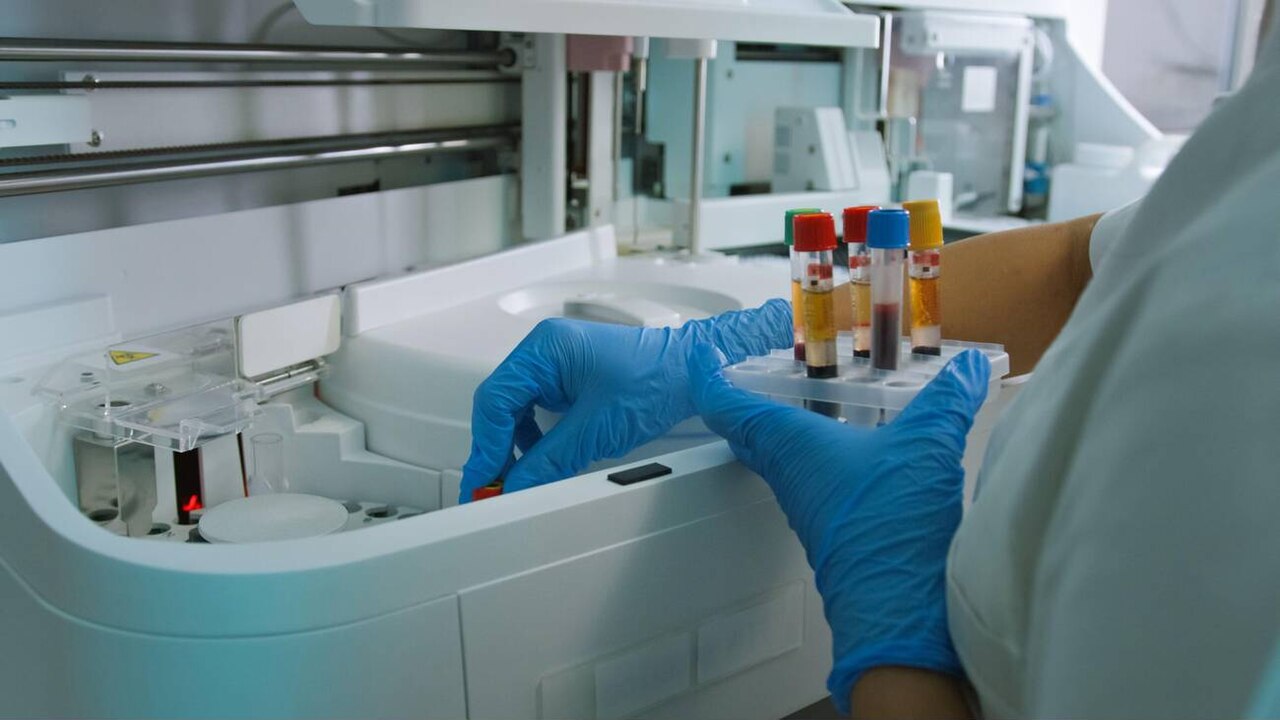
The FDA has authorised emergency use of an in vitro diagnostic device in response to an outbreak of mpox.
Emergency use authorisations for diagnostics attract little coverage relative to vaccines and treatments. They are frequently the intervention that determines whether the others can be used well.
Why testing capacity is the constraint
Every outbreak control measure depends on knowing who is infected:
- Contact tracing requires confirmed cases to trace from.
- Isolation requires knowing who should isolate — and, equally, who need not.
- Targeted vaccination requires knowing where transmission is occurring.
- Epidemiological assessment requires case counts that reflect infections rather than testing availability.
Without adequate diagnostics, an outbreak response operates on inference. Cases get counted where testing exists rather than where infections are, which distorts every decision built on the numbers.
What an EUA actually does
An emergency use authorisation permits a device to be used before completing the full approval pathway, on the judgement that the benefit during an emergency outweighs the uncertainty of an abbreviated review.
It is a considered trade-off rather than a shortcut: a test authorised under an EUA has been reviewed, but against a standard calibrated to the cost of not having it.
Mpox's recent history
Mpox was for decades a disease with limited geographic spread and limited international attention. That changed with outbreaks that demonstrated sustained transmission well beyond historically affected regions, prompting a substantial revision of how seriously it is treated.
Vaccines and treatments exist. Their effectiveness depends on reaching the right people quickly — which returns to diagnostics.
A busy week for outbreak response
- The CDC has confirmed 1,645 domestic cyclosporiasis cases since 1 May, with the FDA investigating four separate outbreaks.
- The DRC confirmed a new Ebola case in rebel-held North Kivu.
- A CDC study found 25% of cats near an H5N1 dairy outbreak carried antibodies.
Four different pathogens, one shared dependency: knowing where the infections are before deciding what to do about them.