Five Countries Agree a Shared Model for Migrant Return Hubs by 2027
Denmark, Austria, Germany, the Netherlands and Greece have settled on a common approach to deportation centres, targeting 2027 for the first transfers.
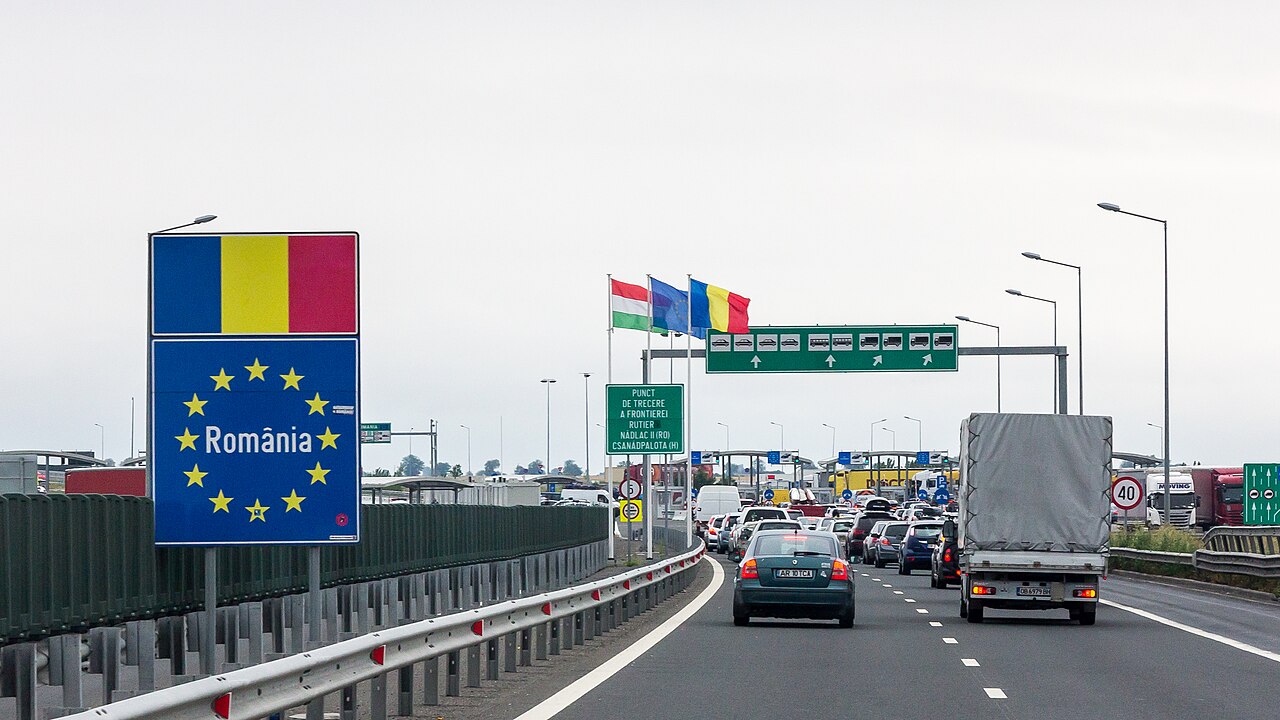
Denmark, Austria, Germany, the Netherlands and Greece have agreed a common model for deportation centres, with the aim of sending migrants to so-called return hubs by 2027.
What a return hub is
The concept is to hold people whose asylum claims have failed in facilities outside the EU while their removal is arranged. It addresses a specific and long-standing gap in European migration policy: a substantial proportion of rejected asylum seekers are never actually removed, because their country of origin will not readily take them back, or because they cannot be located.
Governments describe this as the central credibility problem of the asylum system — that a decision to refuse has no reliable consequence.
Why five countries rather than twenty-seven
EU-wide migration agreements are notoriously slow, requiring consensus among states with sharply different exposure and politics. A coalition of five willing governments can move faster and present the result as a working model others may join.
Notably, the group spans both destination countries and Greece, a frontline state that has borne disproportionate arrival numbers. That combination gives the agreement more weight than a purely northern European arrangement would have carried.
The unresolved problems
- Which third countries agree to host the hubs, and on what terms. Previous externalisation schemes have foundered at exactly this point.
- Legal challenges under EU law and the European Convention on Human Rights, which have blocked comparable arrangements before.
- Conditions and oversight in facilities outside EU jurisdiction — the practical question of who is accountable for what happens there.
- Cost, which in comparable schemes elsewhere has proved far higher per person than projected.
The politics driving it
The agreement arrives as migration continues to reshape European electoral politics. This week alone, the AfD led a German state election, and France's Jordan Bardella met Nigel Farage in Birmingham to discuss cooperation on small boat crossings.
Mainstream governments are responding to that pressure by adopting policies once confined to their right flank. Whether return hubs deliver what previous externalisation efforts did not is the question 2027 will answer.