Four Elections in Ten Weeks Will Reset a Large Share of World Politics
Russia votes for its Duma before 20 September, Israel and Brazil go to the polls in October and the United States holds midterms on 3 November.
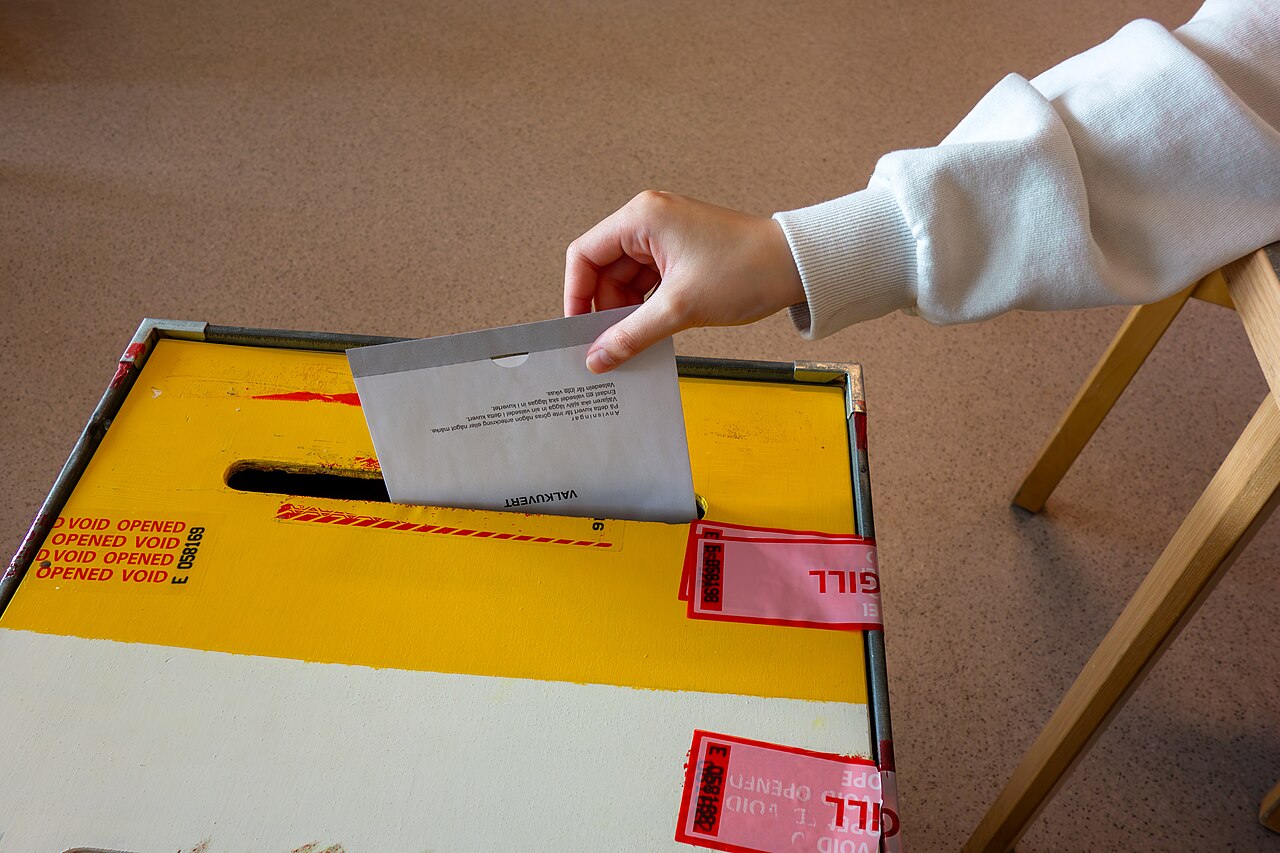
Between now and early November, four countries will hold national votes that between them will shape a substantial share of global politics for the years that follow.
The calendar
- Russia — Duma elections, to be held before 20 September. The pro-Putin United Russia party is expected to retain its majority.
- Israel — a parliamentary election in October, testing whether Prime Minister Benjamin Netanyahu and his right-wing coalition remain in office.
- Brazil — presidential and parliamentary elections in October, with President Lula da Silva seeking another term.
- United States — midterms on 3 November, contesting all 435 House seats and 35 of 100 Senate seats.
Four votes, four different kinds of contest
The list conceals how little these elections have in common as exercises.
Russia's outcome is not seriously in doubt, and the vote functions less as a mechanism for choosing a government than as a demonstration of control. What it will reveal is the level of managed participation the system considers necessary.
Israel's is the most genuinely open, and arrives after six months of regional war. Its outcome will be shaped by an electorate assessing that war's conduct and consequences.
Brazil's has been fought substantially in the courts before reaching voters, with judicial decisions determining who may stand. Congressional arithmetic will matter more than the presidential margin, because Brazilian presidents govern through coalitions assembled from a fragmented party system.
The US midterms turn on narrow arithmetic: Democrats need a net gain of four Senate seats and three House seats.
The variable running through all four
Six months of war in the Middle East has pushed crude to around $92 a barrel, driven diesel to four-year highs, and pushed central banks in Washington and Frankfurt toward raising rates.
Voters do not follow payroll releases. They observe fuel prices and borrowing costs, both of which are moving against incumbents in every one of these countries.
What to watch
Not the winners so much as the margins and the turnout. In Russia, participation levels; in Israel, whether the war reshapes coalition arithmetic; in Brazil, the congressional composition; in the US, whether energy prices prove decisive in an election that both parties are treating as close.