Global Trade's 'Recovery' Is Stabilisation at a Lower Level
A projected 2.5% rebound in 2026 follows a contraction — and lands in a world where an effective 7.2% US tariff rate has become the planning assumption.
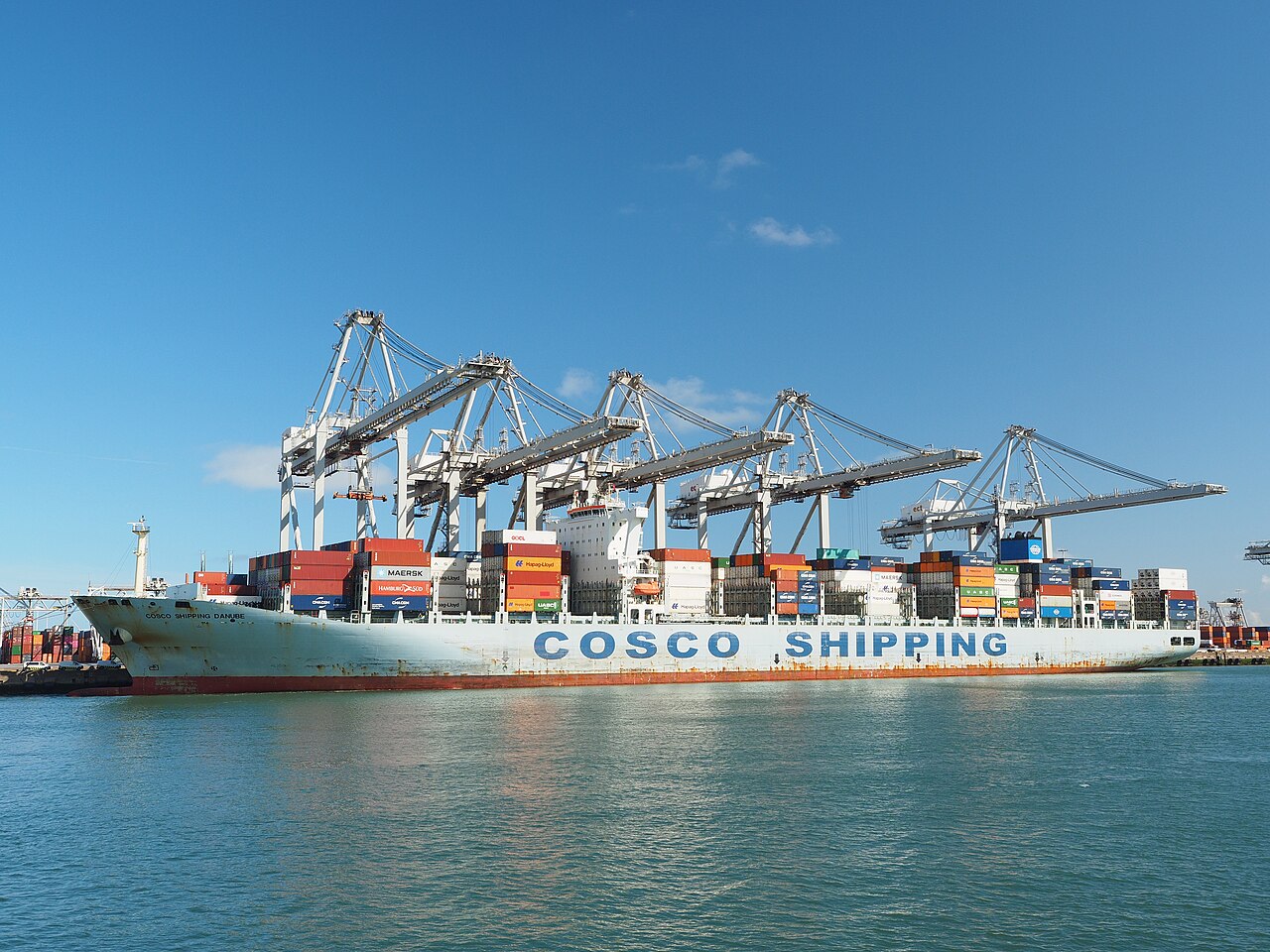
The World Trade Organization projected world merchandise trade volume falling 0.2% in 2025 before a modest recovery of around 2.5% in 2026 — a forecast built on the tariffs then in place, including a suspension of certain reciprocal duties.
Described as a recovery, it is more accurately stabilisation at a lower level of trade intensity.
What has actually changed
For decades, trade grew faster than global output. Supply chains lengthened, production fragmented across borders, and each unit of GDP involved more cross-border movement than the one before.
That relationship has broken. Trade growth now roughly tracks or trails output growth, which means the fragmentation process has stopped and in places reversed.
The forces behind it
- Tariffs — an effective US rate around 7.2%, with sectoral duties still being phased in, including pharmaceuticals reaching all remaining companies on 29 September.
- Security-driven reshoring, as governments treat supply chain concentration as a strategic vulnerability rather than an efficiency.
- Shipping disruption, with Strait of Hormuz constraints and Red Sea risk lengthening routes and raising costs.
- Energy costs, with crude near $92 feeding directly into freight economics.
Who bears the adjustment
The costs fall unevenly. Economies whose growth model depends on export-led manufacturing face the sharpest adjustment, particularly those that entered the system late and are still building the capacity the previous era rewarded.
China's response has been to emphasise balanced trade in its 2026 policy framework — language directed squarely at the surplus that is the central grievance in its disputes with the US and EU.
The costs that are harder to see
Lower trade intensity means less specialisation, and less specialisation means higher production costs. That shows up not as a headline crisis but as a slow, persistent drag: goods slightly more expensive than they would otherwise have been, in every market, indefinitely.
It is the least visible economic consequence of the past three years, and quite possibly the most durable.