IRGC Says It Struck US Positions in Jordan, Bahrain and Iraq
Iran's Revolutionary Guard announced missile and drone operations against American bases on 2 September, in retaliation for US strikes, widening the war's geography again.
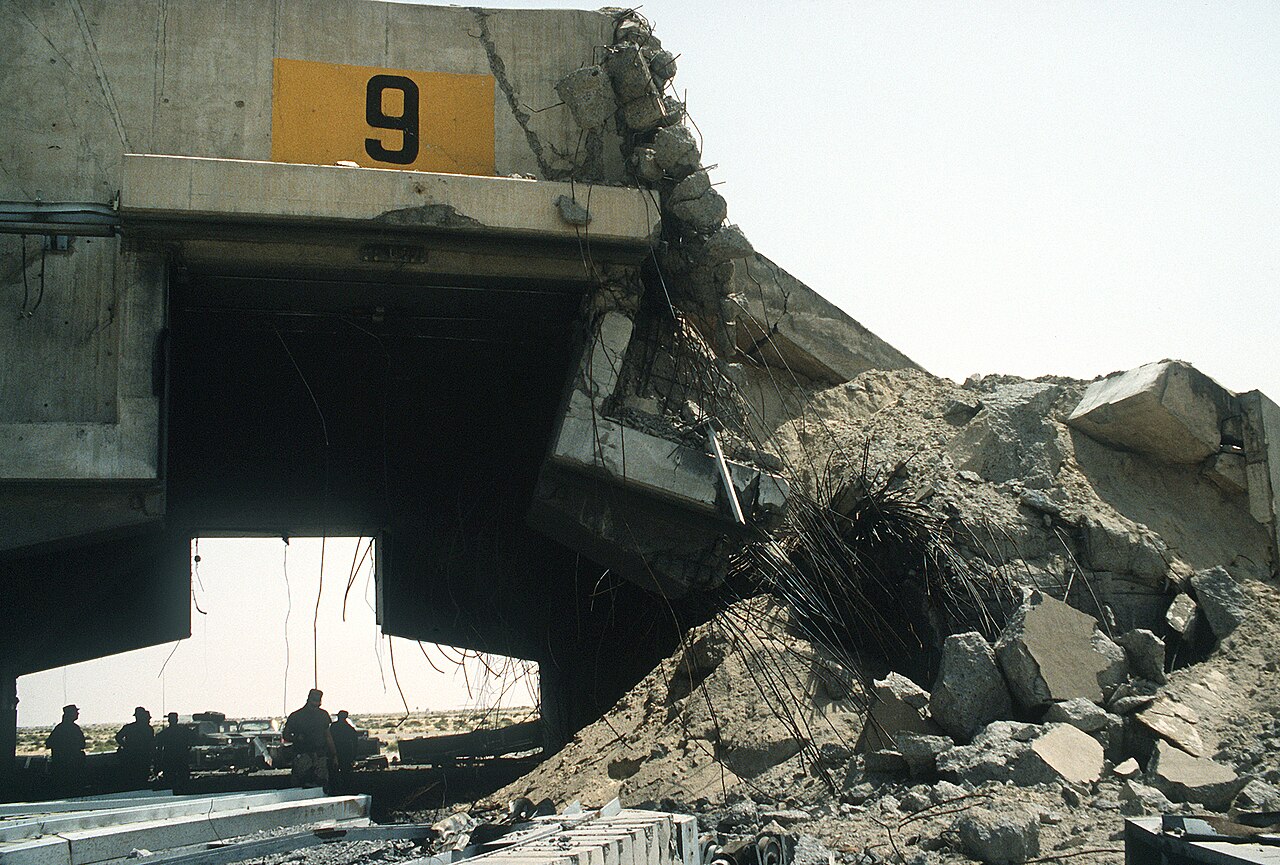
Iran's Islamic Revolutionary Guard Corps announced on 2 September that it had carried out missile and drone operations against American positions and bases in Jordan, Bahrain and Iraq, describing them as a response to US attacks.
The significance is the map
The targets named are not in Iran or Israel. They are in three Arab states that host American forces — countries that have spent the war trying to avoid becoming its territory.
Each faces a version of the same problem. They host US military infrastructure under long-standing security arrangements, and that infrastructure is now being struck on their soil in a conflict they are not party to. Their governments must respond to domestic publics who did not choose this exposure.
Where the war stands
The conflict was initiated by the United States and Israel on 28 February 2026 and has drawn in the wider region across six months. Its most consequential single event was the killing of Ayatollah Ali Khamenei in an Israeli strike on a Tehran bunker — the removal of a head of state who had held power for more than three decades.
Fighting has continued through repeated announcements of pauses. US-Iran strikes resumed this week after a gap of roughly a month.
The economic transmission
This is a regional war with global prices attached. Crude traded around $92 a barrel this week, up nearly 9% on the week and roughly 48% year on year. Constraints around the Strait of Hormuz have limited the practical effect of higher OPEC+ production quotas, and damage to refineries has pushed US diesel prices to their highest since mid-2022.
Elevated energy costs are now a primary driver of the inflation that has central banks in Washington and Frankfurt contemplating higher rates.
The escalation problem
Six months in, the conflict has settled into a pattern with no evident termination point: strikes, retaliation, a pause, resumption. Each round widens the set of countries with damage on their territory, and each widening makes a negotiated end harder to construct, because more parties acquire grievances that must be addressed.
There is no active mediation with the standing to interrupt that sequence.