Israel Heads to an October Election After Six Months of War
The vote will test whether Benjamin Netanyahu's right-wing coalition holds, with an electorate assessing a conflict that has reshaped the region.
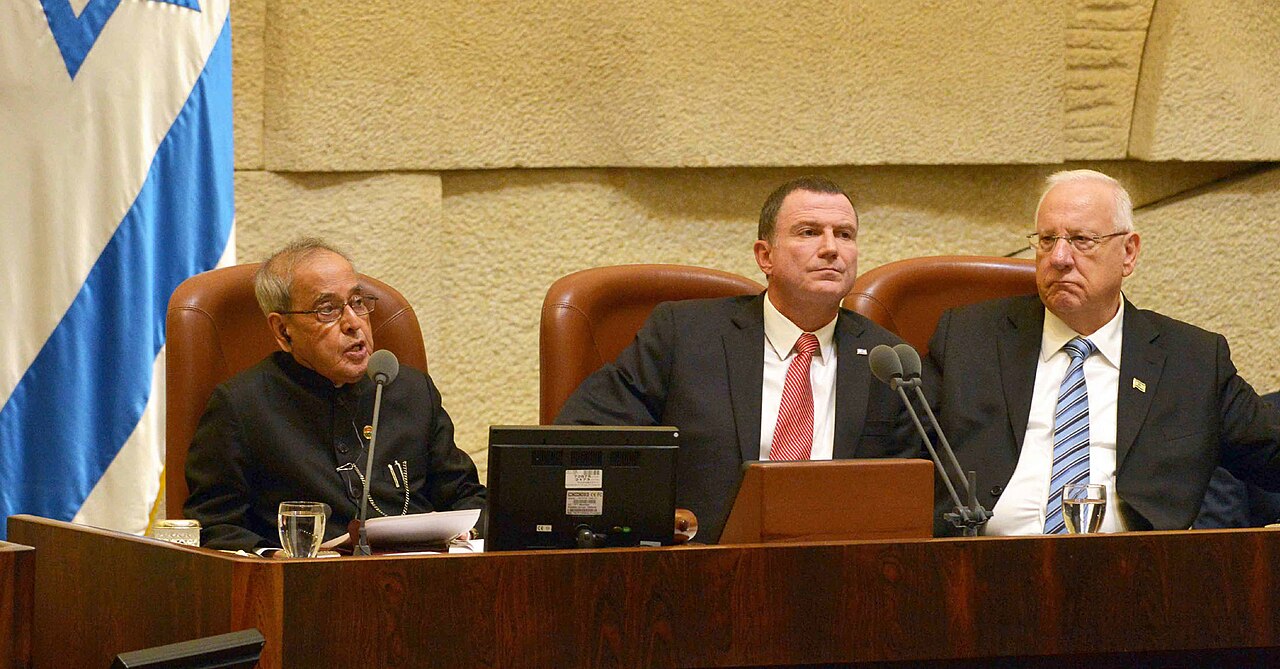
Israel holds a parliamentary election in October, testing whether Prime Minister Benjamin Netanyahu and his right-wing coalition remain in office.
It will be the first national vote since the war that began on 28 February 2026 and has drawn in the wider region across six months.
The war as the ballot question
Elections held during or immediately after major conflicts tend to be decided by an assessment of the war's conduct rather than by ordinary domestic questions. Israeli voters will be weighing:
- The war's strategic results against its costs.
- Security decisions taken before and during the conflict.
- Whether the current coalition is the right arrangement for what follows.
Conflict does not reliably favour incumbents. It can consolidate support around a wartime leadership, and it can equally convert accumulated grievance into a decisive verdict. Which of the two occurs generally depends on whether voters judge the war to be ending well.
The coalition arithmetic
Israel's proportional system produces fragmented parliaments and governments assembled from multiple parties, several of which are small and hold disproportionate leverage. Coalition formation therefore matters as much as vote share, and the party that finishes first does not always form the government.
Netanyahu's political durability has rested substantially on being the figure around whom a majority can most reliably be assembled — a different asset from personal popularity, and one that can survive a poor result.
The regional backdrop
The war continues. Israeli forces struck Hezbollah infrastructure near Nabatiya in southern Lebanon this week after explosive drones were launched toward troops on the Ali al-Taher Ridge. Iran's Revolutionary Guard announced strikes on American positions in Jordan, Bahrain and Iraq on 2 September.
An election held against that background will be conducted under security conditions that are themselves a campaign issue.
The stakes beyond Israel
The result will shape the terms on which any eventual regional settlement is negotiated — and whether one is sought at all. That gives the vote consequences well beyond the electorate casting it.