Le Pen Leads Early French Presidential Polling as Bardella Courts Reform
Polls put the far-right veteran on course for the presidency, while Jordan Bardella met Nigel Farage in Birmingham to discuss cooperation on migration.
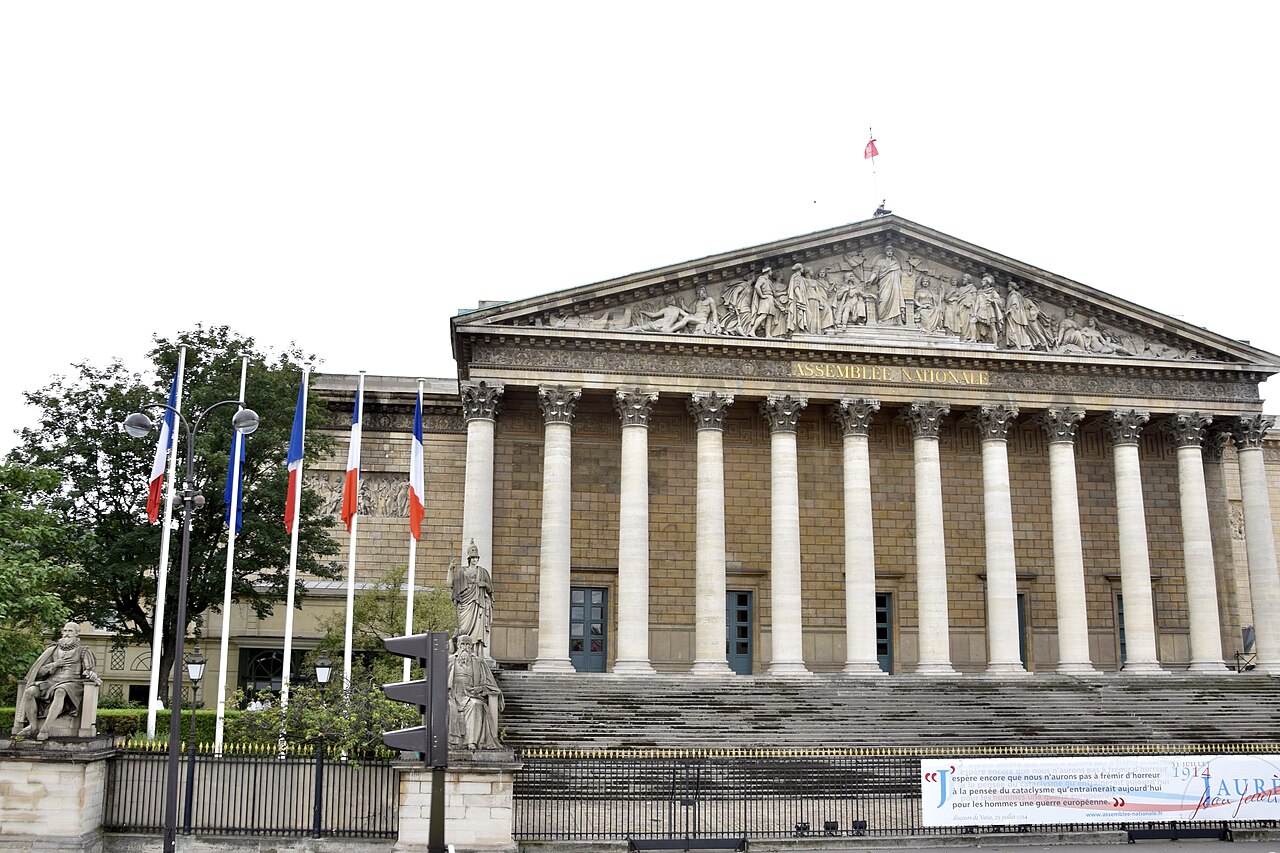
Polling suggests Marine Le Pen is on course to become France's next president, in a race that remains at an early stage and has a long way to run.
Separately, Jordan Bardella met Nigel Farage at the Reform party conference in Birmingham, where the two discussed illegal migration and cooperation between the UK and France on small boat crossings.
The caveat that belongs at the top
Early presidential polling in France has a poor record. The two-round system means first-round leads translate unreliably into outcomes, because the second round reorganises the electorate entirely: voters eliminated in round one choose between the survivors, and that choice has historically consolidated against the far right.
That consolidation — the front républicain — has weakened with each cycle, but it has not disappeared. A first-round lead and a second-round majority remain different propositions.
What the Birmingham meeting signals
The Bardella-Farage meeting is the more novel development. European populist-right parties have historically been better at national campaigning than at cooperating across borders, held apart by the nationalism that defines them.
Migration is proving the exception. Small boat crossings in the Channel are structurally a bilateral problem — one country's departure point is another's arrival — and the cooperation being discussed is on an issue where both parties gain domestically from being seen to act.
The wider European pattern
This week has produced a consistent picture:
- The AfD led a German state election in Saxony-Anhalt.
- Five EU states agreed a shared model for migrant return hubs by 2027.
- Six member states demanded EU budget cuts with spending redirected toward defence and migration.
The mainstream response to right-wing gains has increasingly been to adopt the policy rather than contest the framing. Whether that defuses the electoral pressure or validates it is the argument European centrist parties have not resolved.
How long the race has to run
A great deal changes between early polling and a French presidential election — candidacies, alliances and the second-round arithmetic above all. The number to watch is not Le Pen's first-round share but her second-round ceiling, which is where every previous campaign has ended.