Markets Price a Fed Hike as Inflation Refuses to Come Down
Futures now imply roughly a two-in-three chance the Federal Reserve raises rates this month, a reversal of the easing cycle investors spent the year expecting.
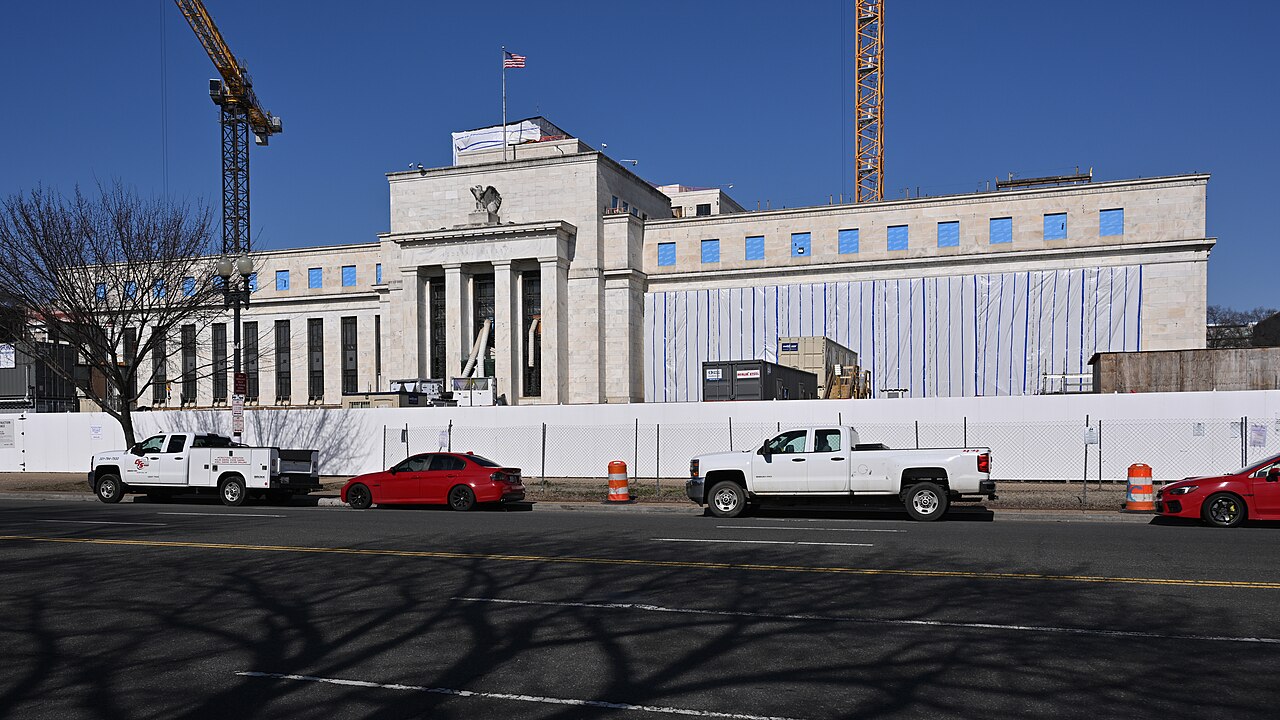
Interest rate futures now imply roughly a 65 to 68% probability that the Federal Reserve raises rates at its meeting this month — an outcome that would have looked improbable at the start of the year.
How expectations turned
The Fed held rates at its 29 July meeting, on a divided 9-3 vote. Since then the data has moved in one direction:
- August payrolls came in at 162,000 against expectations of 53,000.
- Wage growth has been running ahead of inflation.
- Energy costs have climbed sharply, with crude around $92 a barrel.
Fed Governor Kevin Warsh then told markets the central bank has "work to do" if inflation readings do not improve — language that removed most of the ambiguity about which direction the committee is leaning.
The supply-shock problem
Inflation remains elevated relative to the Fed's 2% target, and a meaningful part of the overshoot reflects supply shocks rather than excess demand — energy above all, driven by six months of Middle East conflict.
This is the hardest situation a central bank faces. Interest rates work by suppressing demand. They do nothing about a damaged refinery or a constrained shipping lane. Raising rates to address supply-driven inflation means slowing an economy to offset a price rise the slowdown cannot fix.
The alternative — tolerating the overshoot — risks the expectations that anchor the whole framework. Neither option is good, which is why the July vote split three ways.
Frankfurt is moving too
The European Central Bank is expected to lift rates to 2.75%, with markets attaching around a 75% probability to a further move to 3.0% by December. Europe is importing the same energy shock and reaching similar conclusions.
The uneven global picture
Beneath the rate story, growth is diverging. Advanced economies face slow expansion; a handful of emerging markets are growing faster on the back of domestic reform. The US entered the second half of 2026 with what forecasters describe as an uneven profile — strong employment alongside sectors under visible strain.
That unevenness is why the coming decision is genuinely contested rather than merely awaited.