Mars Keeps Failing to Behave Like the Planet We Built the Theories On
Evidence of vast magmatic systems beneath the Martian surface points to structures Earth-based geology associates with plate tectonics Mars never had.
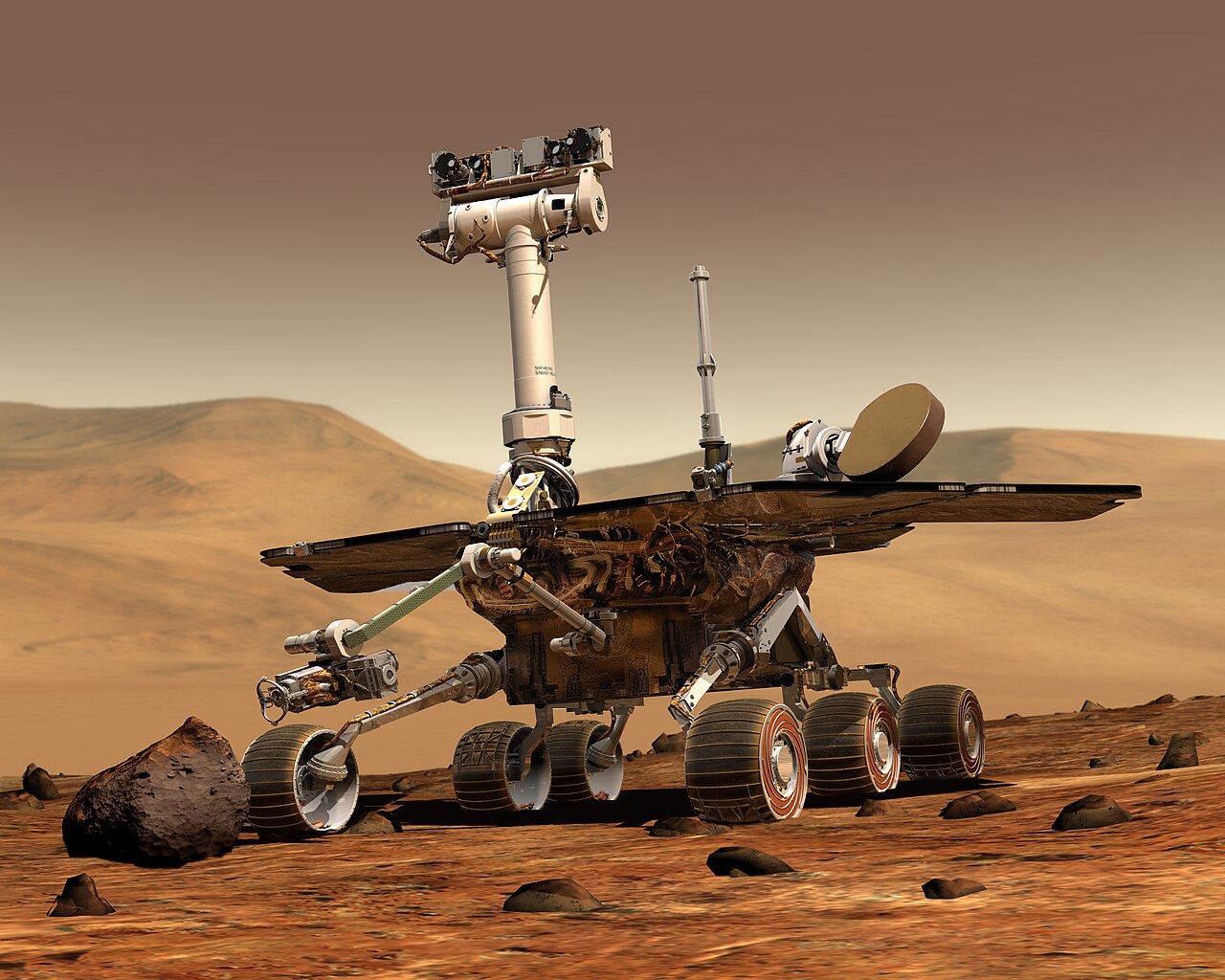
Evidence found deep beneath the Martian surface points to enormous magmatic systems — structures terrestrial geology had assumed required Earth-like plate tectonics, a process Mars is not thought to have had.
The methodological problem this exposes
Geology developed as a science on a single planet. Every mechanism it identified was inferred from Earth, where plate tectonics is so pervasive that separating its effects from other processes is genuinely difficult.
When a theory has one worked example, the distinction between "this is how it happens" and "this is how it happens here" cannot be tested. Mars is the first serious test.
Three ways to explain it
- Such systems form through mechanisms other than plate tectonics, and terrestrial geology over-attributed them because Earth offered no counter-example.
- Mars had some crustal mobility early in its history that has not been recognised.
- The structures formed through processes with no terrestrial analogue, shaped by Mars's different size, composition and cooling history.
The first would require revising interpretive frameworks applied across the solar system — a considerably larger consequence than a single finding about Mars.
Why Mars diverged
Mars is roughly half Earth's diameter, which means a much larger surface area relative to volume and therefore faster heat loss. It cooled quickly, its interior became less mobile, and it lost the magnetic field that a churning core sustains.
Whatever produced these magmatic systems had to operate under those constraints — a planet cooling faster, with a single unbroken lithosphere.
Reading the interior
The Martian surface has been mapped extensively. The interior has not, and it holds the early record that surface processes erase.
Accessing it requires seismic and gravitational measurement rather than imaging — slower, more indirect, and the reason findings like this arrive decades after the first orbital surveys rather than alongside them.
The value of a second data point
Every result from Mars that fails to fit terrestrial expectations is more useful than one that confirms them. Confirmation from a single additional example proves little; a violation identifies an assumption that was never examined.
Mars has now produced several.