Michigan Becomes the Senate Race Democrats Cannot Lose
With four net gains needed and every current seat to defend, one contest has become the point at which a difficult path turns implausible.
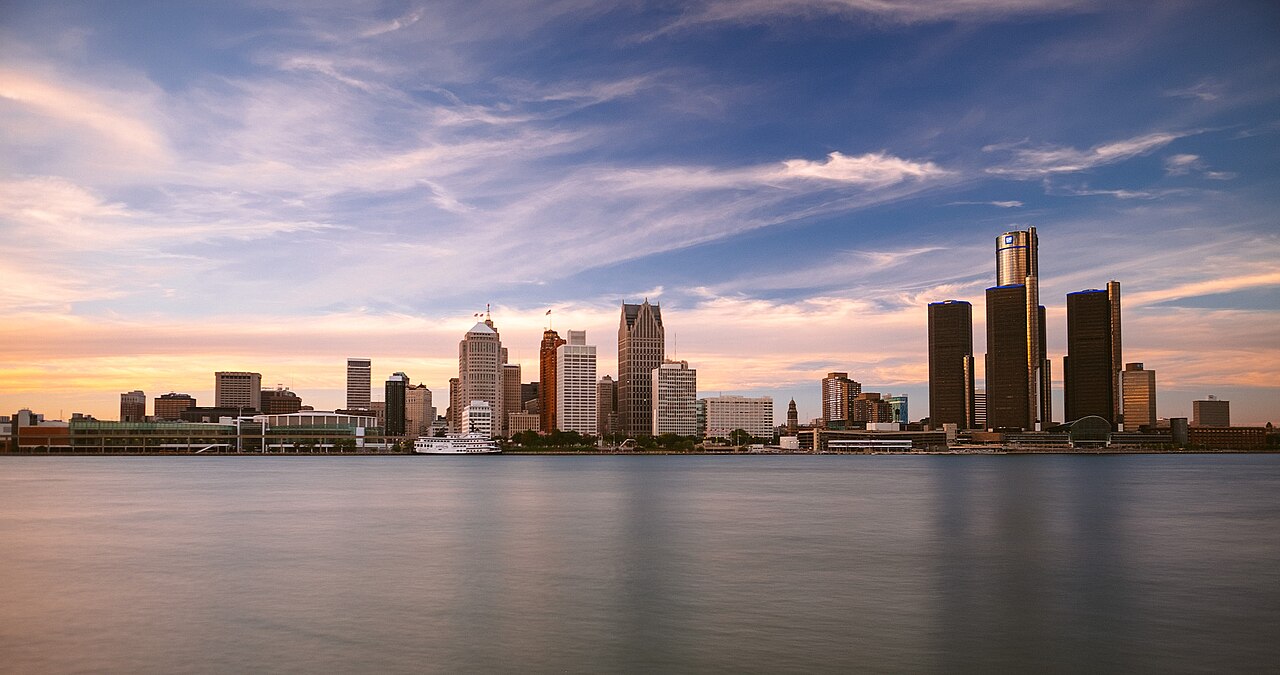
Democrats face a must-win Senate race in Michigan — a description that is doing precise work rather than serving as commentary.
Where the phrase comes from
The party needs a net gain of four Senate seats. That requires holding every seat it currently defends and flipping four more on competitive or Republican-leaning ground.
The structure has no slack. Each defensive loss adds one to the number of flips required, and the flips available are on terrain that is difficult by definition — if it were easy ground, it would not still be Republican.
Losing Michigan would mean needing five gains rather than four, from a map that does not obviously contain a fifth.
Why Michigan is competitive at all
Michigan sits in the group of industrial Midwestern states that have become genuinely uncertain over the past decade. Its electorate combines:
- A substantial manufacturing workforce sensitive to trade and industrial policy.
- Urban and suburban populations that have moved in different directions.
- Significant Arab American communities, whose response to the Middle East war carries real electoral weight in this cycle.
That last factor is more consequential in Michigan than almost anywhere else in the country, and six months of regional war has made it a live variable rather than a background one.
The economic cross-currents
Michigan will feel the current economy in both directions. Employment is strong nationally, with 162,000 jobs added in August against expectations of 53,000, and real wages rising.
Against that: crude around $92, diesel at four-year highs, and the Federal Reserve leaning toward a rate rise. In a state where driving distances are long and manufacturing is energy-intensive, fuel costs are not an abstraction.
The Senate map's asymmetry
The Senate is the chamber where a national mood translates least reliably into seats. States are fixed, only a third are contested each cycle, and the distribution of which third can favour one party for reasons unrelated to public opinion.
A party can win more votes nationally and lose the chamber comfortably. Which is why single races like Michigan carry weight out of all proportion to their size.