Milei Takes a Combative Line on the Falklands in National Address
Argentina's president used a 3 September address to press his country's sovereignty claim over the islands in unusually forceful terms.
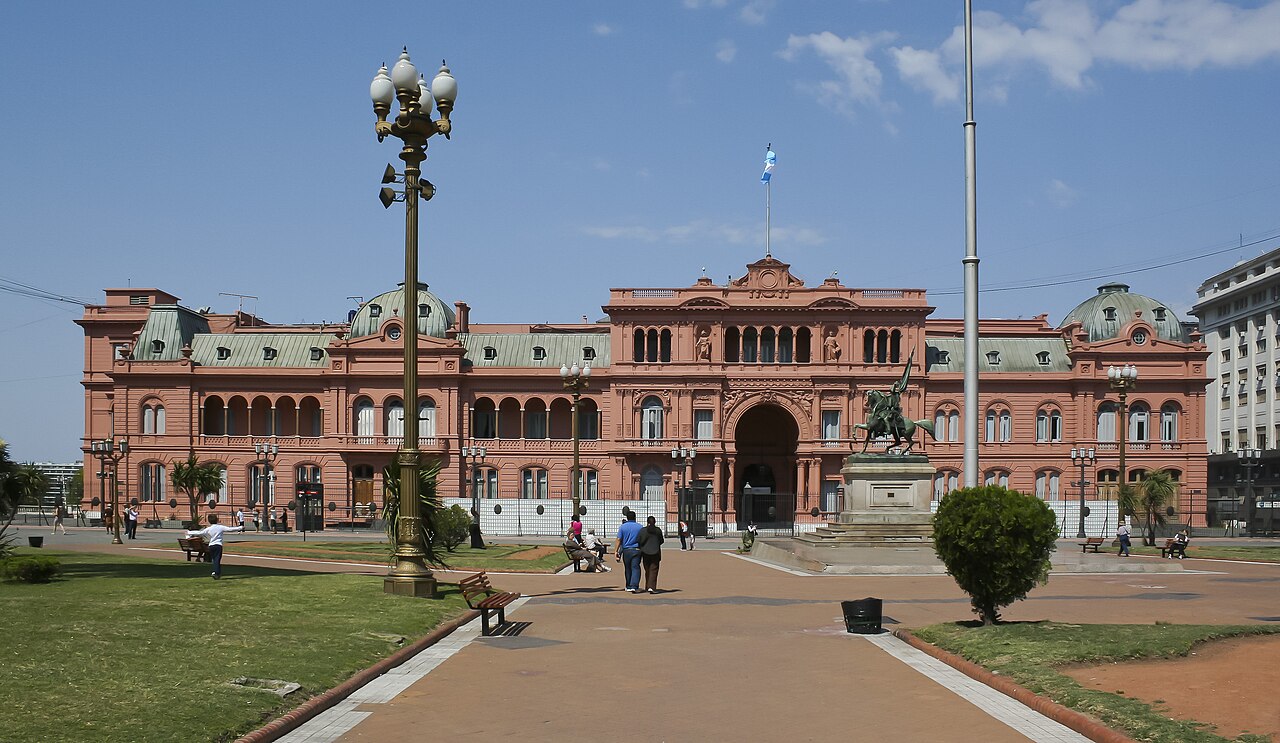
Argentine President Javier Milei delivered a national address on 3 September adopting a notably combative stance on his country's long-standing sovereignty claim to the Falkland Islands, known in Argentina as Las Malvinas.
Why this is a departure
The claim itself is not new — it is written into the Argentine constitution and asserted by every government regardless of ideology. What makes this address worth noting is who delivered it.
Milei has built his international position on close alignment with the United States and a broadly favourable posture toward Western allies, including the United Kingdom. A forceful Malvinas address sits awkwardly alongside that alignment, which is precisely why the tone drew attention.
The domestic reading
Sovereignty over the islands is one of the few genuinely cross-party positions in Argentine politics, commanding support across a fractured political landscape. That makes it a reliable instrument for a government seeking to consolidate national sentiment.
Milei's administration has pursued an economic programme of severe fiscal adjustment, with real costs borne by Argentine households. Governments carrying out austerity have historically found value in issues that unify rather than divide — and few Argentine issues unify like this one.
The position that has not moved
Britain's response to Argentine sovereignty claims has been consistent for decades and rests on the principle of self-determination: the islanders' expressed wish to remain a British Overseas Territory settles the question. A 2013 referendum on the islands returned an overwhelming majority for that status.
Argentina's counter-argument rests on territorial integrity and the circumstances of British control from 1833, and holds that the current population cannot determine the outcome of a dispute over territory it holds as a result of that history.
What actually changes
In the near term, very little. There is no negotiation under way and no mechanism through which one would begin. The address functions as a marker — of a position Argentina restates as a matter of course, delivered by a president whose broader foreign policy makes the delivery more surprising than the content.