More Than 60 Killed as Fighting Intensifies in Yemen's Taiz
Clashes between Yemeni forces and Houthi fighters escalated in a city that has been contested for most of the past decade.
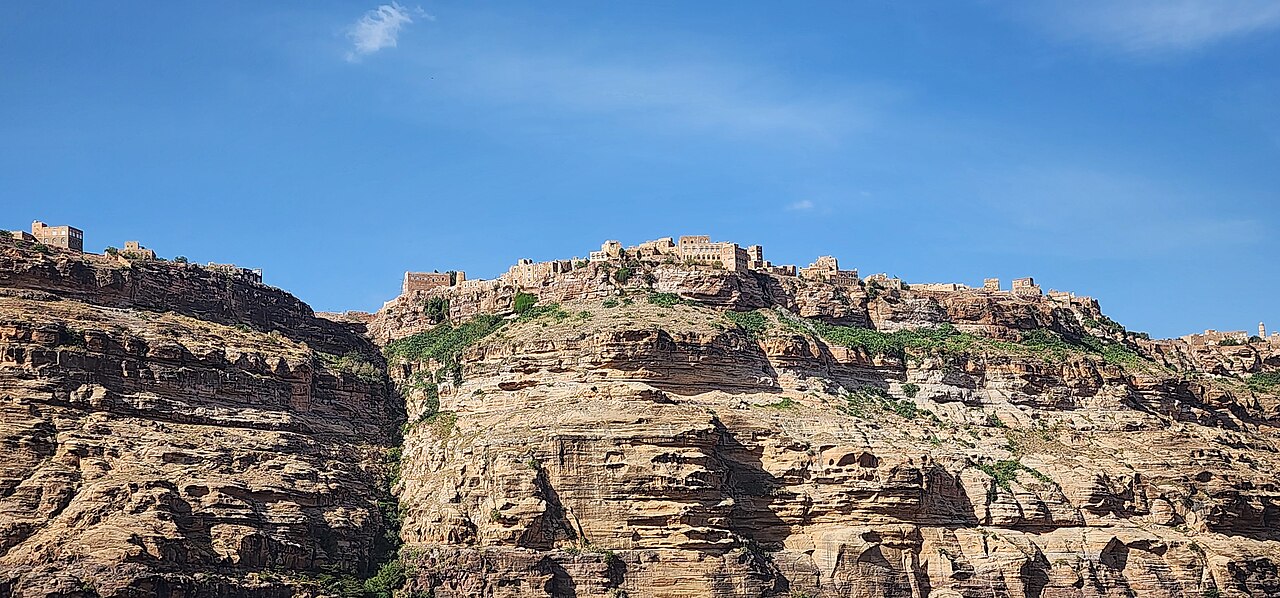
More than 60 people, including civilians, have been killed as clashes between Yemeni forces and Houthi fighters intensified in Taiz.
A city that has been fought over for a decade
Taiz was Yemen's third-largest city before the war and has been contested for most of the conflict's duration. Its geography — a dense urban centre ringed by high ground — has made it exceptionally costly to fight over. Whoever holds the heights can shell the city; whoever holds the city cannot easily dislodge them.
The result has been years of siege conditions, with restricted movement of people and goods and a civilian population that has had no reliable way out.
Why civilians make up so much of the toll
Urban fighting of this kind produces civilian casualties structurally rather than incidentally:
- Indirect fire — shelling into built-up areas that were never evacuated.
- Front lines running through neighbourhoods, so there is no rear area to shelter in.
- Collapsed medical capacity, which converts survivable injuries into deaths.
- Restricted humanitarian access, since aid convoys need agreement from every party controlling a stretch of road.
The wider emergency
Yemen has been among the world's most severe humanitarian crises for years, with widespread food insecurity, collapsed public services and repeated disease outbreaks. Renewed fighting in a major city compounds all of it — displacing people who have already been displaced, and interrupting aid to a population dependent on it.
The regional entanglement
Yemen's war has never been purely internal, and it is now embedded in a wider regional conflict. The Houthis' campaign against shipping has affected Red Sea traffic and drawn international military responses, tying a Yemeni front line to global trade routes and to the confrontation between Iran and the United States.
That connection makes the Taiz fighting harder to isolate diplomatically. A local ceasefire now requires the agreement of parties whose calculations are being made well outside Yemen.