Nagoya Readies for the Asian Games as 50 Athletics Medals Go on the Line
Japan hosts the 2026 Asian Games from late September, with athletics spread across two Nagoya venues and India defending its kabaddi titles.
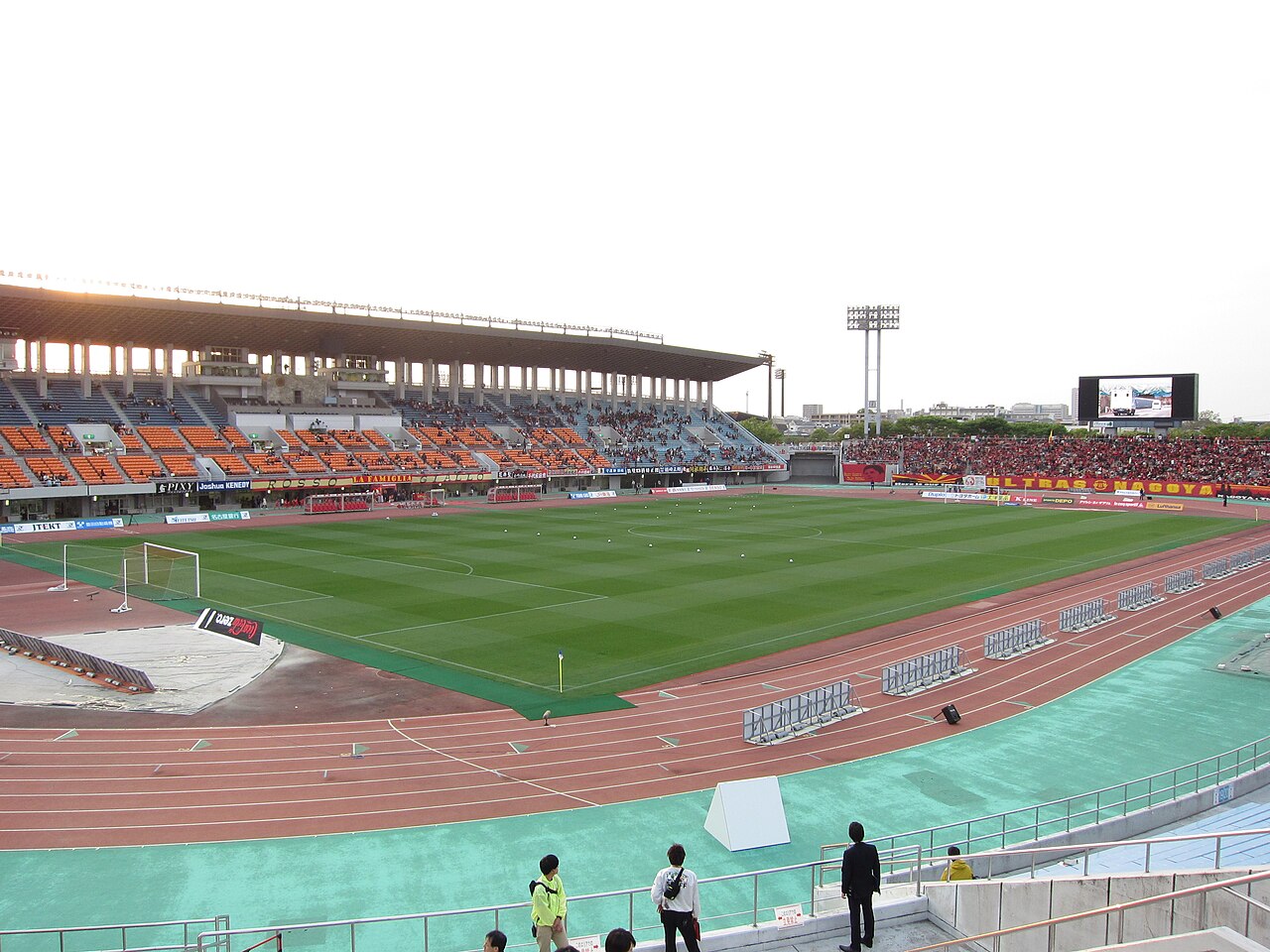
Japan is in the final weeks of preparation for the 2026 Asian Games, the largest multi-sport event on the continental calendar and one of the largest anywhere outside the Olympics.
The athletics programme
Athletics runs from 23 to 29 September across two venues in Nagoya, with 50 medal events divided into three groups:
- Track and field
- Road running
- Racewalking
The split across two sites is a practical response to the scale of the programme — 50 events compressed into seven days does not fit comfortably into a single stadium alongside everything else the Games require.
Kabaddi, and India's title defence
Kabaddi runs from 21 to 26 September at the Tōkai Citizens Gymnasium, with India defending champions in both events.
Kabaddi is a useful illustration of what distinguishes the Asian Games from the Olympic programme. It is a sport of enormous participation and following across South Asia that has no Olympic presence, and the Asian Games is where it competes at its highest international level. The same applies to several other disciplines on the schedule — the Games are not a regional rehearsal for the Olympics but a different event with a different centre of gravity.
What Japan gets from hosting
Japan has extensive recent experience of hosting major sport, and Nagoya's bid rested on venue reuse rather than the construction programmes that have made hosting financially punishing elsewhere. That is the modern argument for hosting: infrastructure that already exists, upgraded rather than built.
The competitive picture
Medal tables at the Asian Games are historically dominated by a small group of nations, with China consistently at the top and Japan and South Korea contesting the places behind. The more interesting movement is usually further down the table, where sustained investment in specific disciplines by smaller programmes produces results that the aggregate count does not capture.
Competition begins in the third week of September.