Nepal Shifts From Rescue to Rebuilding as Flood Toll Passes 1,200
A Himalayan glacier collapse triggered catastrophic flooding along the Nepal-China border. With nearly 3,000 still missing, Kathmandu has released initial funds for reconstruction.
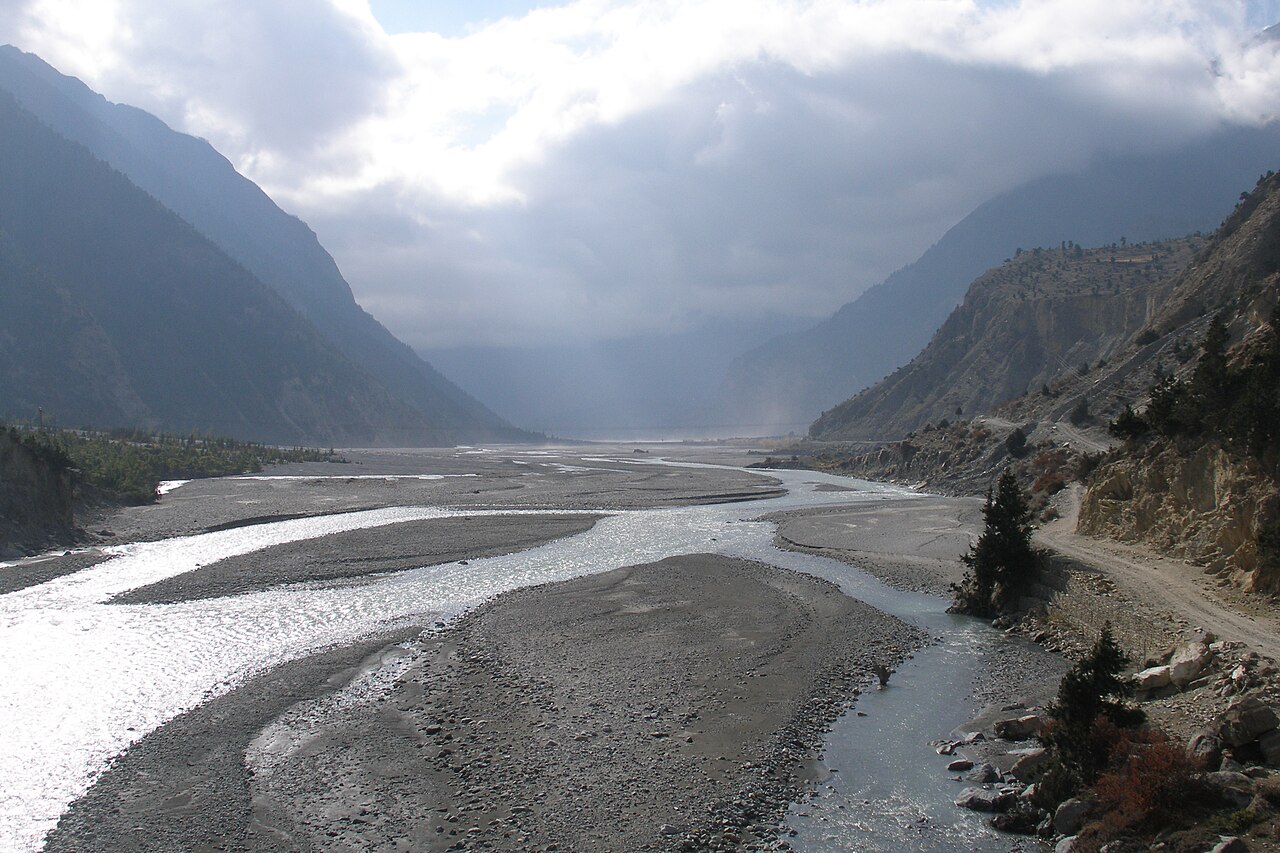
Nepal has begun shifting the focus of its emergency response from rescue toward rehabilitation, more than a week after catastrophic flooding along the country's northern border with China.
The confirmed death toll across the affected regions has risen past 1,280, with roughly 3,000 people still recorded as missing — a figure that means the final count is very likely to rise further.
How it started
The flooding was triggered by a glacier collapse high in the Himalayas on the Nepal-China border, which sent an enormous volume of water down the Bhote Koshi river system with little warning. Communities along the valley floor had minutes rather than hours.
A subsequent report found that warning signs had been visible before the collapse — a finding that will shape the political aftermath as much as the engineering one.
The response so far
- Emergency responders have provided medical treatment to at least 4,070 people across the affected districts.
- The government has released around 1 billion Nepali rupees — roughly $6.5 million — toward rebuilding.
- Search operations continued alongside the reconstruction effort rather than stopping when it began.
That initial allocation is a first tranche against a reconstruction bill that will be very much larger. Road links, hydropower infrastructure and entire settlements along the river corridor will need rebuilding, in terrain where construction is slow and expensive at the best of times.
The wider warning
Glacial lake outburst floods are among the clearest physical mechanisms linking a warming climate to sudden, localised catastrophe. As Himalayan ice retreats it leaves meltwater pooled behind unstable natural dams of rock and debris. When one of those dams fails, the result is what Nepal saw.
Hundreds of such lakes have formed across the Himalayan range. Monitoring exists but is patchy, and the early-warning systems that could turn minutes of notice into hours cover only a fraction of the valleys at risk.
What comes next
Kathmandu's immediate task is shelter before the winter. The longer question — whether the monitoring gaps that let a visible risk go unacted upon get closed — will outlast the rebuilding.