Redistricting Fights Return as Primaries Reshape the House Map
Boundary disputes and Trump-backed primary challenges are determining the November field well before voters see a general election ballot.
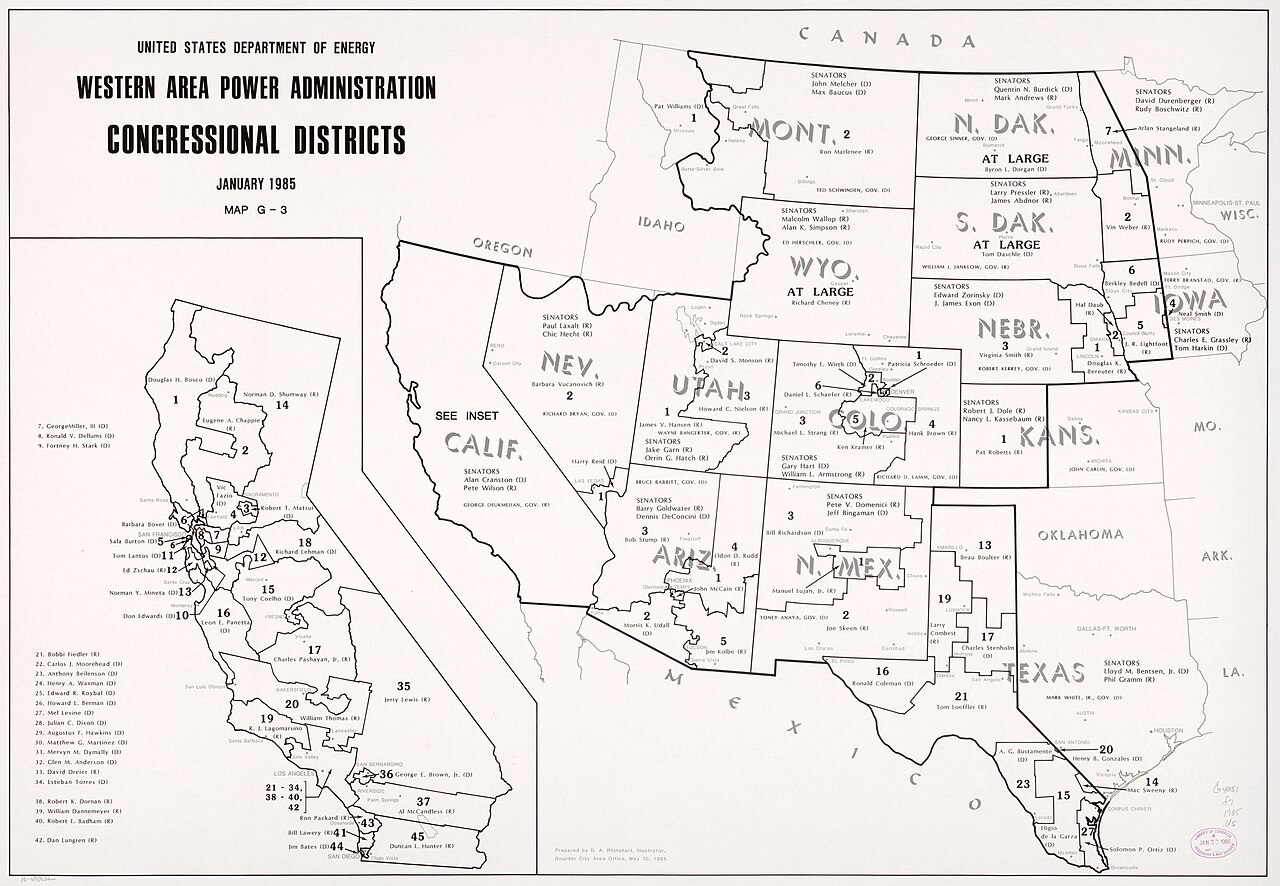
Two processes are shaping the November House map before any general election ballot is printed: redistricting disputes, and primaries in which Trump-backed candidates have contested seats against other Republicans.
With Democrats needing a net gain of only three House seats, both matter more than usual.
Why boundaries decide outcomes
House districts are redrawn periodically, and how the lines fall determines a large share of results before campaigning begins. The mechanics are well understood by both parties:
- Packing — concentrating opposing voters into a small number of districts they win overwhelmingly.
- Cracking — splitting an opposing constituency across several districts so it is a majority in none.
Applied carefully, these techniques can produce a delegation that does not reflect the statewide vote. Both parties do it where they control the process, and both object where the other does.
Redistricting has also become a subject of internal argument among Democratic candidates, over how aggressively to pursue favourable maps where the party has the power to draw them.
The primary effect
President Trump's endorsements have been a significant factor in Republican primaries, including gubernatorial races and House contests. In safe seats, the primary is effectively the election, which makes endorsement a form of selection.
The general election consequence is less predictable. A candidate optimised to win a primary is not necessarily the strongest candidate in a competitive district in November — a tension both parties encounter and neither has resolved.
The compounding effect on competition
Redistricting reduces the number of genuinely competitive districts. Primaries then determine the winner in a growing share of the remainder. Between them, the November electorate's choice is meaningfully constrained in most seats before it is offered.
This is a structural feature of the current system rather than a novel development, and it is why national swings translate into fewer seat changes than they once did.
The narrow path
Three seats is a small number. In a map with few competitive districts, it is not necessarily an easy one — which is what makes the boundary disputes worth following closely between now and November.