Russia Votes for a Duma Whose Result Is Already Known
United Russia is expected to retain its majority in elections to be held before 20 September. What the vote will show is how the system manages participation.
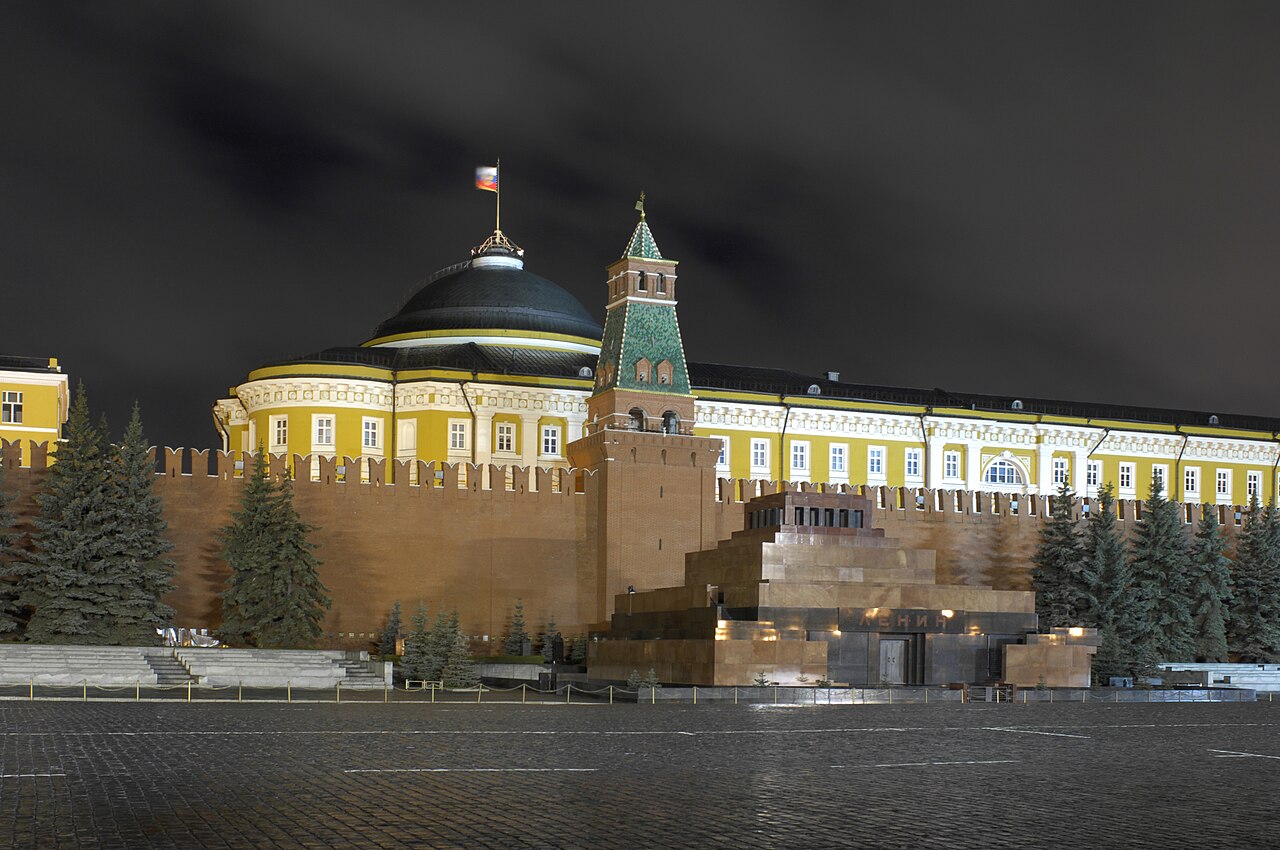
Russia holds elections to the State Duma before 20 September. The pro-Putin United Russia party is expected to retain its majority, an expectation held with a degree of confidence unusual in electoral politics.
What the vote is for
In systems where outcomes are not genuinely contested, elections still perform functions — they are simply different functions from selecting a government:
- Legitimation — a demonstration that the governing arrangement has been formally endorsed.
- Elite management — allocating parliamentary positions among factions and rewarding loyalty.
- Information gathering — regional results signal where administrative performance or public sentiment is weak.
- Demonstration of control, directed at domestic and foreign audiences alike.
The context these elections occur in
The vote comes as the war in Ukraine continues into another winter. US envoys Steve Witkoff and Jared Kushner held talks with President Putin in Moscow last weekend before travelling to Kyiv; neither leg produced a breakthrough, and Putin restated positions that have not moved since negotiations began.
Meanwhile Ukraine has sustained a long-range strike campaign against Russian oil infrastructure — a direct attack on the revenue that finances the war, and one whose effects reach global fuel markets.
What the numbers will and will not show
The seat count is not the informative figure. Two others are:
Turnout. Managed systems need participation high enough to sustain the legitimation function. Low turnout signals disengagement that no seat total can conceal.
Regional variation. Where United Russia's margins are thinner than expected, that tends to reflect local conditions — economic strain, administrative failure, or the war's uneven distribution of costs across regions.
The wider pattern
Russia's vote opens a run of four national elections in ten weeks, alongside Israel and Brazil in October and the United States on 3 November. It is the one whose outcome is least in doubt, and for that reason the one whose result will tell observers the least.
The details underneath it may still tell them something.