SCO Leaders Gather in Bishkek With Bloc Trade Approaching $1 Trillion
The Shanghai Cooperation Organisation's ten heads of state met in the Kyrgyz capital, where Kazakhstan pushed a package of proposals on security, trade, connectivity and technology.
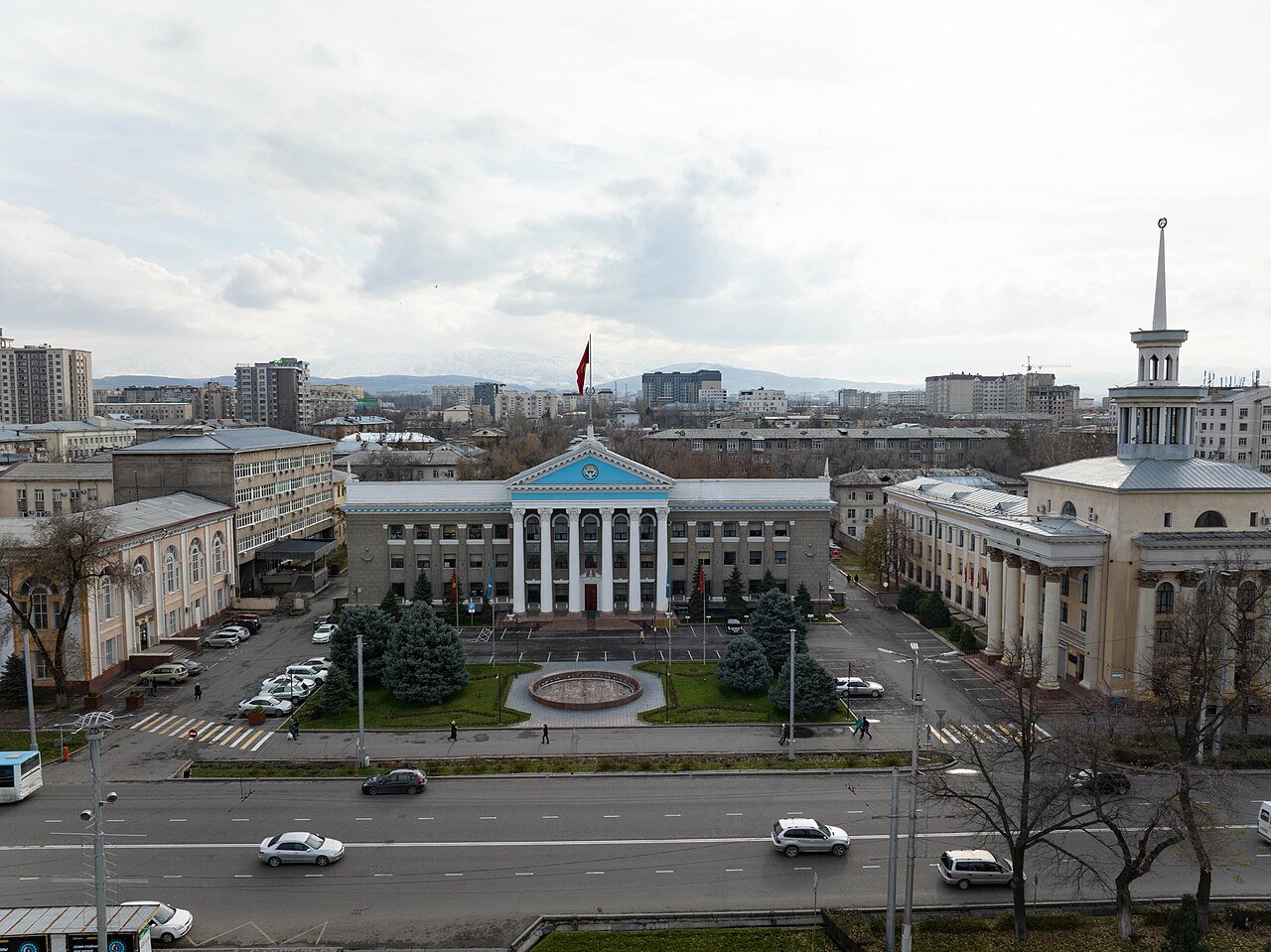
Leaders of the ten member states of the Shanghai Cooperation Organisation met in Bishkek this week for the bloc's Council of Heads of State, an annual set-piece that has grown considerably more consequential as the organisation has expanded.
The headline figure from the summit was economic. Trade within the bloc is now approaching $1 trillion — a number the organisation's members use to argue that the SCO has outgrown its origins as a regional security forum and become a genuine economic grouping.
Kazakhstan sets the agenda
Kazakh President Kassym-Jomart Tokayev arrived with the most developed set of proposals, spanning four areas:
- Security cooperation among member states
- Trade facilitation across the bloc
- Connectivity — the transport and logistics corridors that link Central Asia to markets east and west
- Technology collaboration
Connectivity is the thread running through all four. Landlocked Central Asian states have spent the past three years watching established trade routes disrupted by war and sanctions, and the middle corridor across the Caspian has become a strategic priority for Astana rather than an aspiration.
A bloc defined partly by who is not in the room
The SCO's growth has been read in Western capitals as evidence of an emerging alternative centre of gravity — one where the largest members set the terms and Western institutions have no seat. Its members frame it differently, as practical cooperation among neighbours who share borders, infrastructure and security problems.
Both readings can be true at once. What is not in dispute is the trajectory: an organisation founded to manage border disputes now convenes a substantial share of the world's population and a trade bloc closing on the trillion-dollar mark.
The limits
For all the summit language about integration, the SCO remains a body without the binding mechanisms of a customs union or a defence pact. Its members include states with unresolved disputes among themselves, and its declarations have historically been easier to agree than to implement.
The question Bishkek leaves open is whether the connectivity proposals now on the table get built — or join the long list of communiqué commitments that never left the page.