Spain Matches Its September Heat Record at 45.7C
Extreme heat gripped the country after a summer of repeated heatwaves, in a season that also produced deadly fires across the southern Mediterranean.
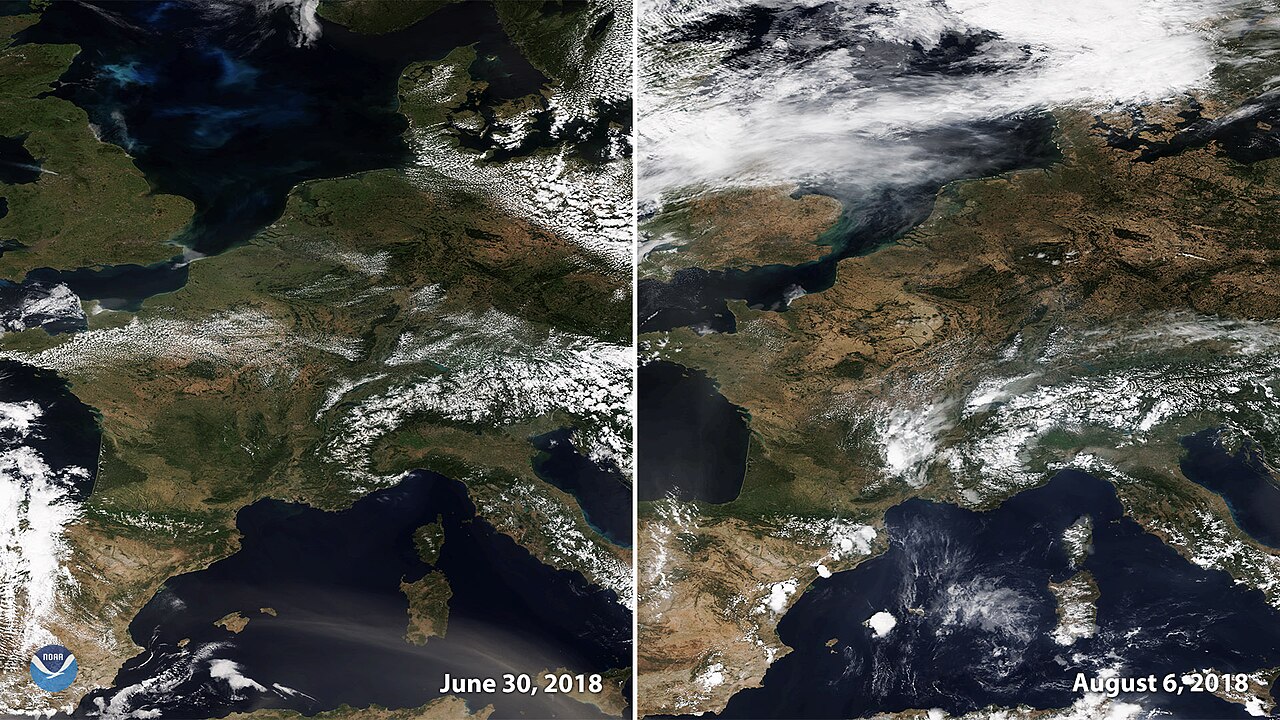
Spain has matched its September heat record at 45.7C, as extreme temperatures gripped the country following a summer of repeated heatwaves.
Why September records matter more than July ones
Extreme heat in midsummer is expected; extreme heat in September is a different signal. Records falling outside the traditional peak indicate a lengthening hot season rather than a hotter peak — and the shoulder months are where that lengthening shows up first.
The practical consequences follow the calendar. Infrastructure, agriculture and public health systems are organised around an assumed season. When the season extends, the assumptions built into them stop holding.
The consequences already visible
- Fire risk extends deeper into autumn, when firefighting resources have often begun to stand down. Algeria declared three days of mourning this week after wildfires killed 12 people.
- Water stress compounds, as reservoirs that would normally begin recovering continue to deplete.
- Agriculture is disrupted at harvest, particularly for the tree crops and vines that much of southern Spain depends on.
- Excess mortality rises, concentrated among elderly people and outdoor workers.
The Mediterranean as a fast-warming region
The Mediterranean basin has been warming faster than the global average, which makes southern Europe an early indicator of impacts that arrive later elsewhere. Spain's records are not an isolated national story so much as the leading edge of a regional trend that runs from Portugal to the Levant.
Adaptation, which is slower than the trend
Spanish cities have begun the work — shade infrastructure, cooling centres, revised outdoor working rules, water management reform. The difficulty is that adaptation is planned against historical baselines, and the baselines keep moving.
A September record is a reminder that the design assumptions being used to plan for the 2030s are already out of date.