Stocks Slide as a Hot Payrolls Print Hardens the Case for a Rate Rise
August payrolls came in at 162,000 against expectations of 53,000, sending the Dow lower and pushing futures markets toward pricing a Fed hike.
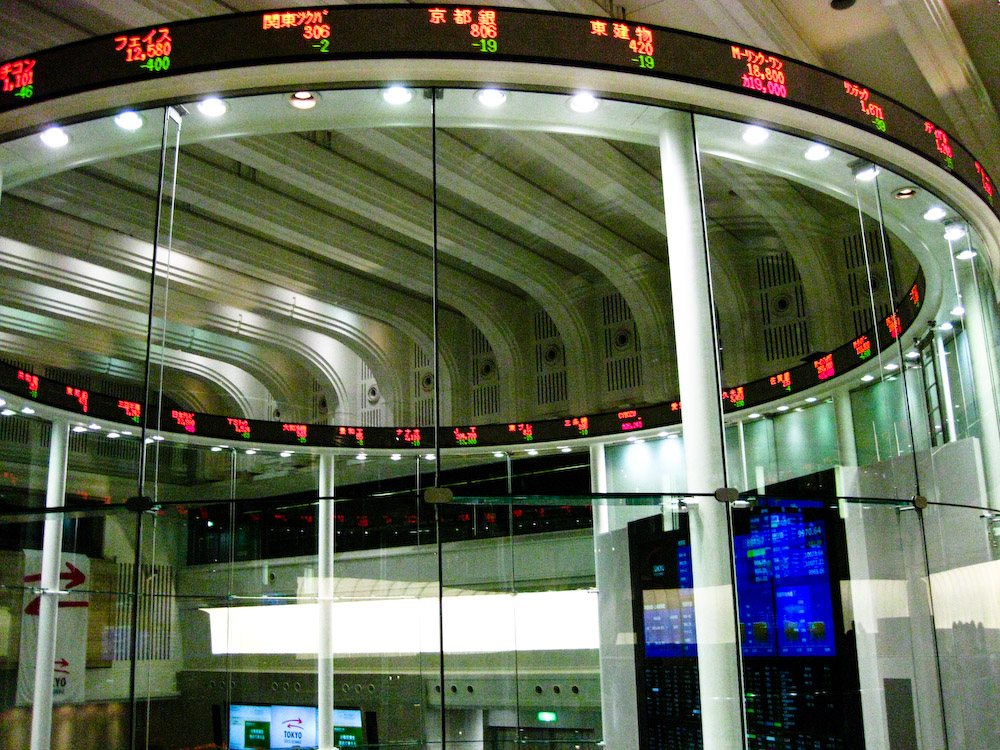
US equities fell on Friday after an unexpectedly strong labour market reading strengthened the case for the Federal Reserve to raise interest rates at its next meeting.
Nonfarm payrolls grew by 162,000 in August — more than three times the 53,000 economists polled by Dow Jones had expected.
Friday's move
- The Dow Jones Industrial Average fell 271.86 points, or 0.51%, to close at 53,414.25.
- The S&P 500 slid 0.38% to end at 7,718.60.
It was a reversal from midweek, when stocks had risen as Treasury yields took a breather from their recent climb — the S&P advancing 0.46% to 7,666.60 on Wednesday.
Good news reading as bad news
The market's reaction to strong employment data illustrates where the cycle currently sits. In an economy where the central bank is worried about growth, a strong jobs number is welcome. In one where the central bank is worried about inflation, the same number signals an economy running hot enough to keep price pressures alive — and therefore a higher policy rate.
Markets are in the second regime. Fed funds futures now show roughly a 68% probability of a rate increase at the next meeting, according to the CME FedWatch tool.
What moved expectations
The repricing began before Friday. A keynote address by Fed Governor Kevin Warsh — in which he said the central bank has "work to do" if inflation readings do not improve — had already pushed markets toward pricing a hike. The payrolls print confirmed the direction.
Energy costs sit underneath all of it. Crude around $92 a barrel, up sharply on the year amid Middle East disruption, feeds through to headline inflation regardless of what domestic demand is doing.
Why this is uncomfortable for equities
Equity valuations at current levels have been underwritten by an assumption that the next move in rates is down. A hiking cycle rather than a cutting one changes two things simultaneously: the discount rate applied to future earnings, and the cost of the debt companies carry.
Neither is fatal on its own. Together they compress the multiple investors are willing to pay — which is what Friday's session was pricing.