The Cost of Fuel Has Become the Midterms' Most Reliable Indicator
Strong employment and rising real wages point one way; crude near $92 and a Fed leaning toward a hike point another. Voters tend to notice the second.
Two economic stories are running simultaneously in the United States, and they point in opposite directions.
The good one
- 162,000 jobs added in August, against a consensus forecast of 53,000.
- Wage growth running ahead of inflation, meaning real incomes are rising.
By historical standards, that is the economic backdrop an incumbent party would choose.
The bad one
- Crude around $92 a barrel, up roughly 48% year on year.
- US diesel at its highest since mid-2022.
- Futures pricing roughly a two-in-three chance the Federal Reserve raises rates this month.
Six months of war in the Middle East has spiked energy prices, unsettled the global economy, and created mounting political problems for President Trump's Republican Party ahead of 3 November.
Why the second story usually wins
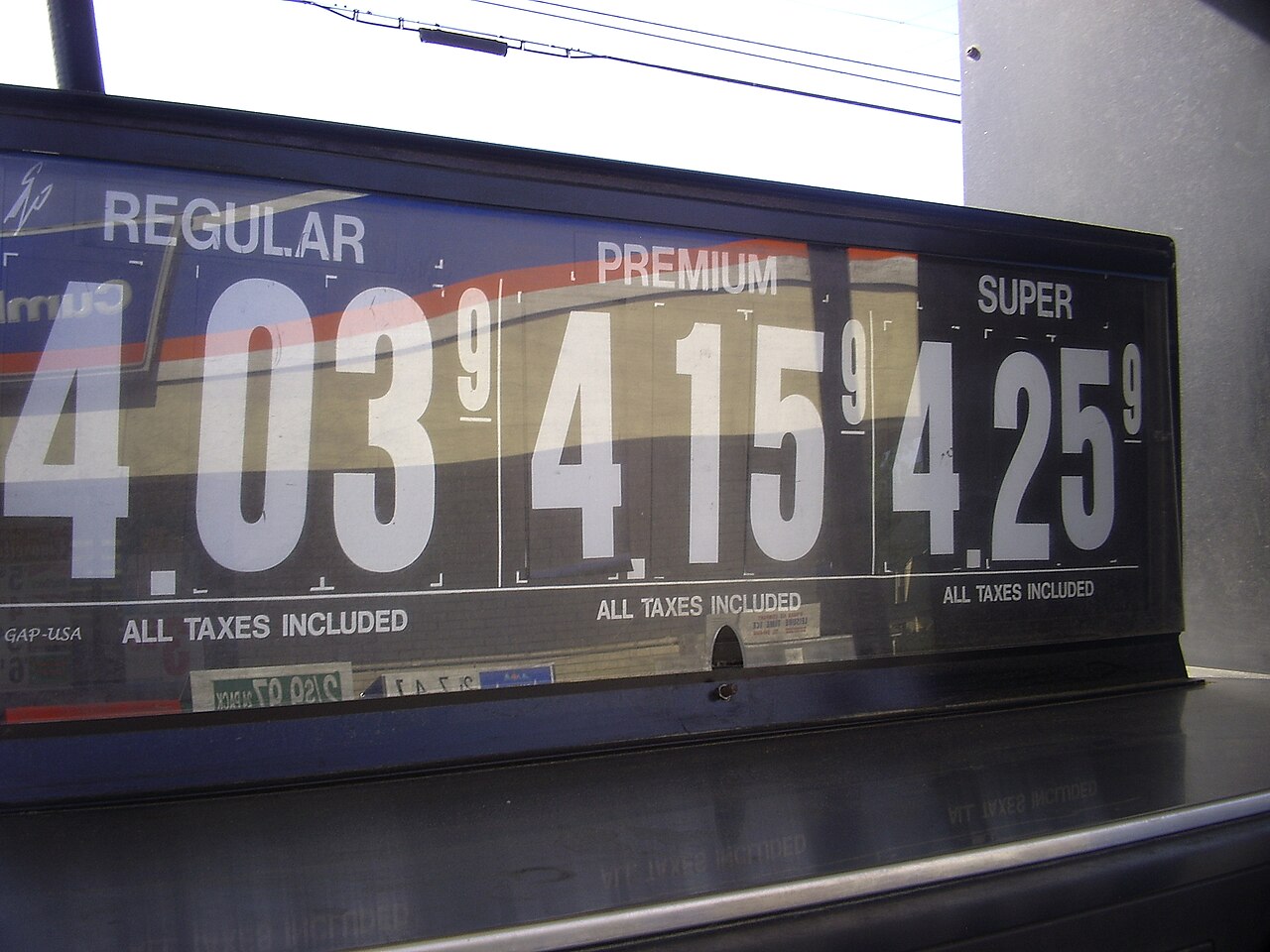
The asymmetry is about observation rather than magnitude. Employment data reaches voters through news coverage of a statistical release. Fuel prices reach them on a forecourt sign, several times a month, in numbers large enough to read from a moving car.
Interest rates arrive the same way — in a mortgage quote or a card statement rather than in a press conference.
Economic sentiment tracks the prices people transact at, not the aggregates that describe them.
The particular problem for an incumbent
The energy price rise originates in a conflict, and the Federal Reserve is responding to inflation it cannot address at source — raising rates to suppress domestic demand against a supply shock several thousand miles away.
The administration therefore faces costs it did not create through domestic policy and cannot resolve through domestic policy. Voters have never been especially interested in that distinction.
The narrow margins
Democrats need a net gain of three House seats and four Senate seats. In a contest that close, the direction of fuel prices through October may be the most consequential variable in the campaign — and it is being set by decisions taken in Tehran, Washington and Vienna rather than on the trail.