Three House Seats and Four in the Senate: the Midterm Arithmetic
Democrats need a net gain of three House seats and four Senate seats on 3 November. The two targets are nothing like equally difficult.
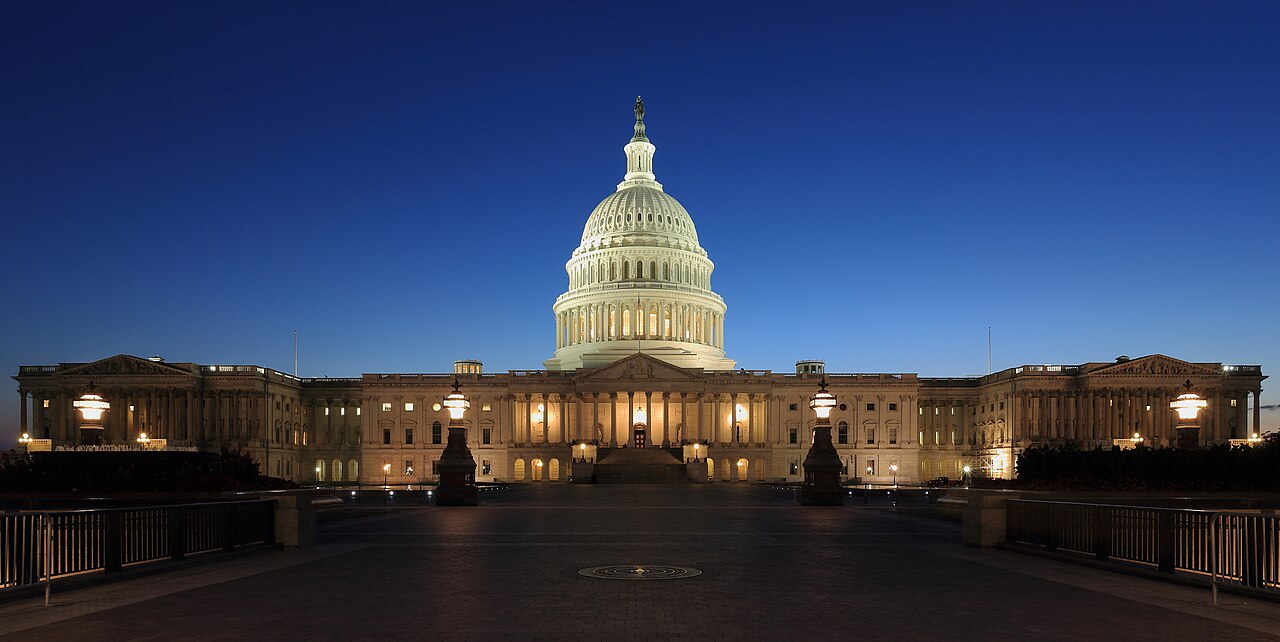
The 2026 midterm elections take place on 3 November, contesting all 435 House seats and 35 of 100 Senate seats.
The margins are narrow enough to state precisely. Democrats need a net gain of three House seats to take the chamber from a slim Republican majority, and four Senate seats for control there.
Why the two numbers are not comparable
Three House seats out of 435 is a small requirement in a chamber that routinely swings by considerably more in a midterm year. The historical pattern favours the party out of the White House, and a three-seat threshold sits well inside normal variation.
Four Senate seats is a different proposition entirely. The Senate map is not redrawn — the states are fixed, and only a third are contested in any cycle. To gain four, Democrats must:
- Hold every seat they currently defend, with no exceptions.
- Flip four more on highly competitive and outright Republican terrain.
Losing a single defensive seat means winning five elsewhere. The arithmetic is unforgiving in a way the House map is not.
Michigan as the pressure point
Democrats face a must-win Senate race in Michigan. It is the kind of contest that defines a cycle — not because it alone determines control, but because losing it converts a difficult path into an implausible one.
What is moving the electorate
Six months of war in the Middle East has driven crude to around $92 a barrel, pushed US diesel to four-year highs, and left the Federal Reserve leaning toward raising rates, with futures pricing roughly a two-in-three chance of a hike.
This is creating mounting political difficulty for President Trump's Republican Party. Fuel prices and borrowing costs are among the very few economic variables voters observe directly and continuously, without needing a statistical release to tell them what happened.
The counterweight
Employment is strong — 162,000 jobs added in August against expectations of 53,000 — and wage growth is running ahead of inflation, meaning real incomes are rising.
Whether voters weigh rising real wages against rising prices at the pump is the central question of the campaign, and neither party can be confident of the answer.