Brazil's Elections: A Pivotal Moment for the Amazon and its Future
The upcoming election in Brazil poses significant implications for the Amazon rainforest and U.S. relations.
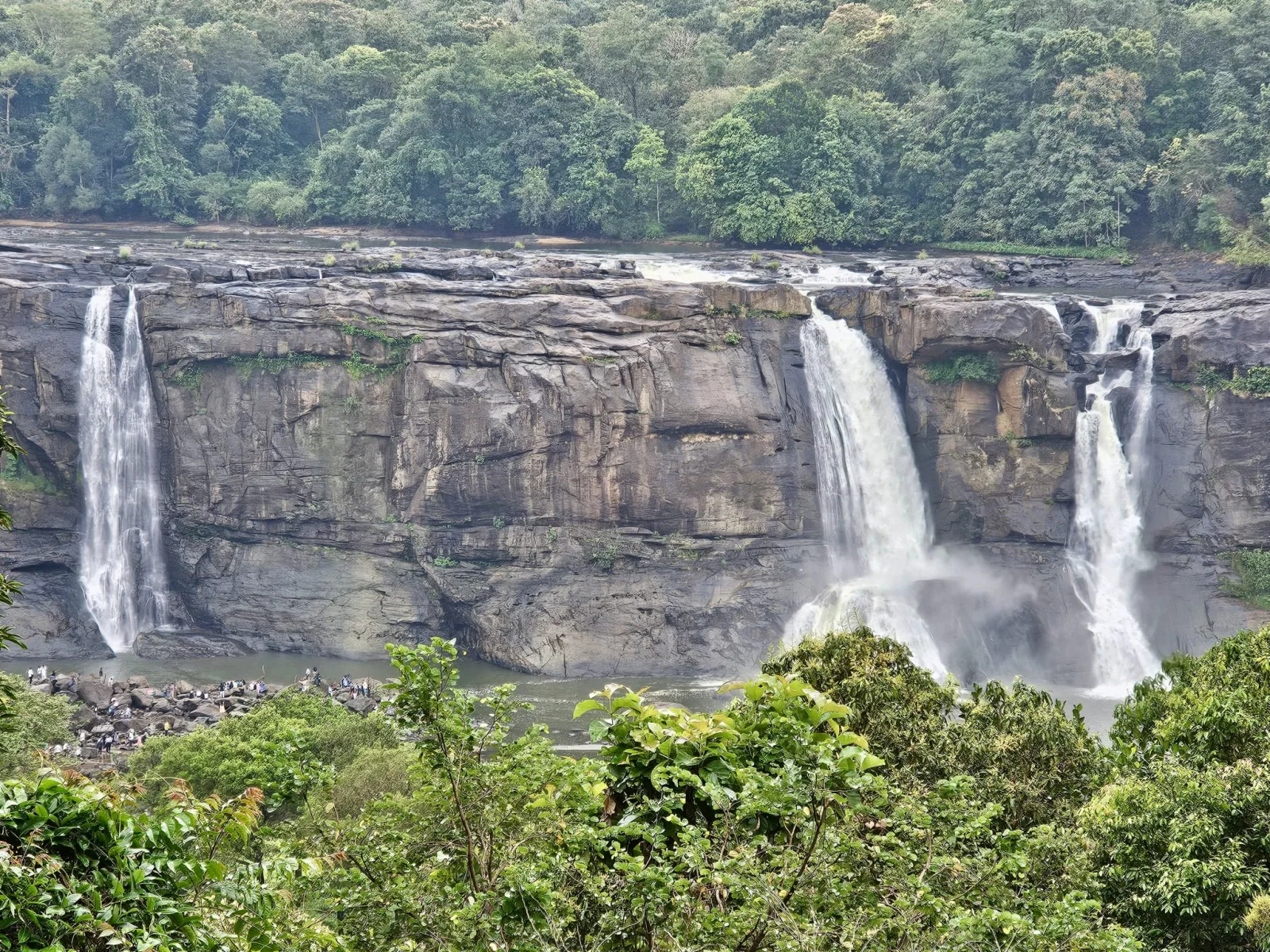
As Brazil approaches a crucial electoral showdown, the future of the Amazon rainforest hangs in the balance. Two prominent contenders, incumbent President Luiz Inácio Lula da Silva and former president Jair Bolsonaro’s son, Flávio Bolsonaro, are vying for power. This election is not just a local affair; it will impact Brazil's international relationships, particularly with the United States.
Security Concerns
The potential for increased crime and gang violence is a pressing issue in Brazil. Flávio Bolsonaro, a right-wing senator, has made it clear he intends to bolster collaboration with the U.S. in combating crime. He aims to enlist Brazil in what was known as the Trump-era 'Shield of the Americas,' aiming to counteract cartel activities.
Through previous statements on social media, Flávio expressed his support for U.S. military intervention in Brazilian affairs, although he later clarified that any cooperation would be limited to intelligence sharing. In the past, he successfully encouraged former President Trump to label certain Brazilian gangs as terrorist organizations.
On the other hand, President Lula has resisted joining such coalitions, advocating for Brazil's sovereignty and independence in domestic security matters.
Trade Dynamics
The impact of trade policies is another pivotal issue in this election. Under Trump's administration, tariffs were imposed on Brazilian goods as part of a broader strategy linked to the prosecution of administration members. While many tariffs were eventually suspended, Lula's continuance in office raises concerns over escalating trade tensions with the U.S.
Should Flávio Bolsonaro win, it is anticipated he would strengthen Brazil's alignment with the U.S. However, both candidates must tread carefully in their dealings with China, a key trading partner for Brazil.
Carolina Moehlecke, a professor of international relations, noted the challenges Brazil faces with its neighboring countries. She highlighted that Flávio's right-wing stance may improve relations with other right-leaning leaders in Latin America, particularly in Argentina, where cooperation could become easier.
Domestic Policy Challenges
Environmental policies are crucial in this election, especially concerning the Amazon rainforest. If Flávio Bolsonaro secures the presidency, there are fears his leadership will echo his father's tenure, potentially reviving policies that led to increased deforestation. His stance downplays human-induced climate change and advocates for opening protected lands for agriculture and mining.
Flávio has expressed intent to address Brazil's rising national debt, but if cuts to social welfare programs become necessary, it may lead to political backlash, given Lula's promises to enhance welfare support ahead of the elections.
The Health of Democracy
Lula has framed this election as a critical test for Brazilian democracy, casting the Bolsonaro family as a risk to democratic institutions. Observers like Moehlecke foresee a possibility that Flávio Bolsonaro could steer the nation toward authoritarianism, albeit with a more subdued approach compared to his father's rhetoric.
A victory for Flávio would empower his party within the legislature, enabling him to pursue controversial measures, including potential pardons for individuals involved in the January riots and navigating further judicial inquiries affecting his father.
Conversely, a win for Lula would likely confront significant legislative opposition. Several right-leaning candidates, including members of the Bolsonaro family, have gained substantial traction in legislative positions, signaling a persistent challenge to any initiatives he may pursue.
This election represents a defining moment that could shape the future trajectory of Brazil, its environmental policies, and how it interacts on the global stage.