Daylight Saving Time Ends: What You Need to Know
Daylight saving time concludes this Sunday, bringing an extra hour but raising health concerns.
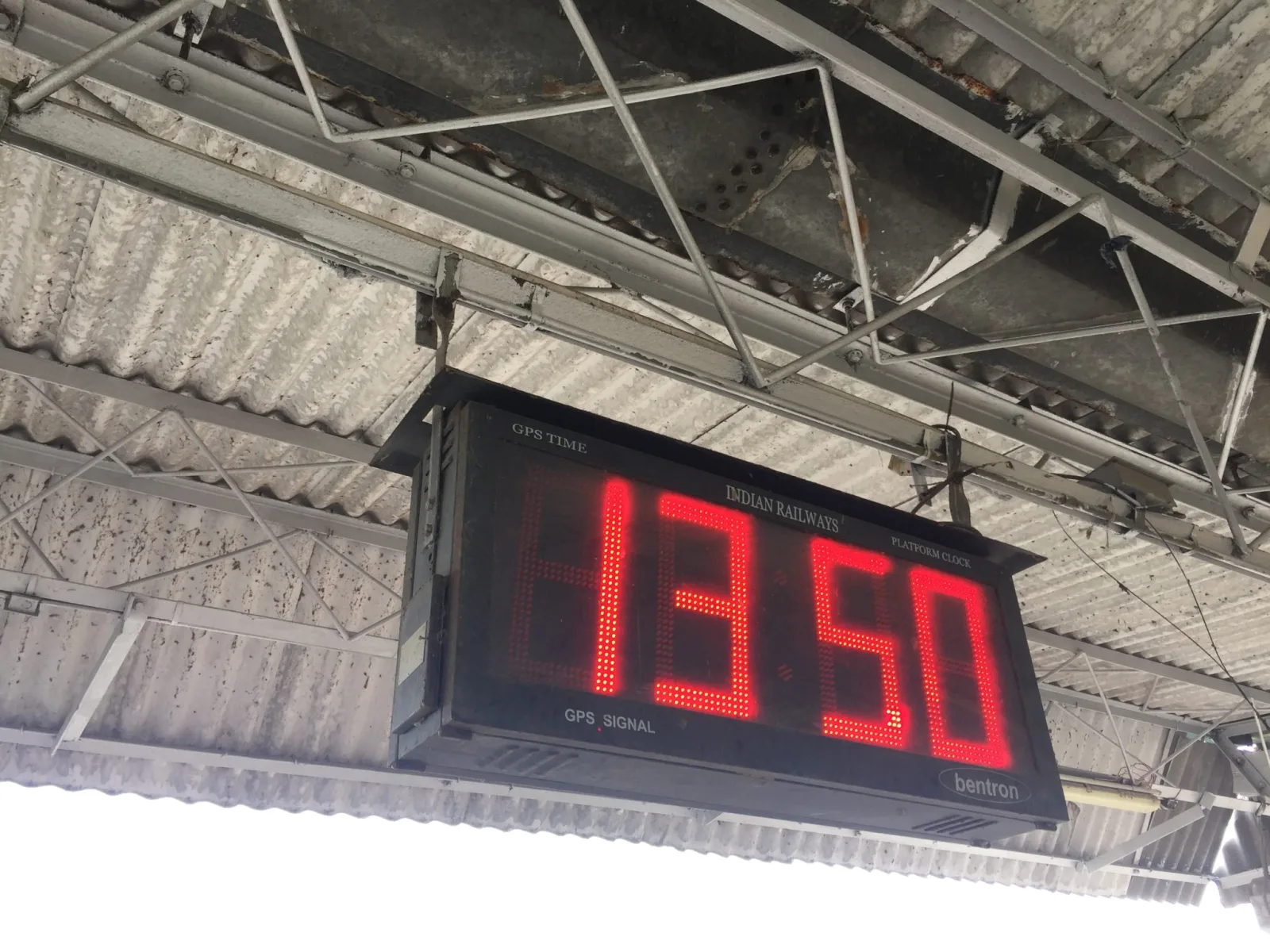
As daylight saving time comes to a close this Sunday, residents across the United States will set their clocks back an hour, offering a brief reprieve of extra daylight in the mornings. This seasonal change has been a recurring topic, with discussions around the benefits and drawbacks of maintaining or eliminating it entirely.
When Does the Shift Happen?
The shift will take place at 2 a.m. on Sunday, marking the end of daylight saving time. Unlike the springtime change, where we lose an hour, this time we'll gain an hour, as clocks will revert from 1:59 a.m. to 1 a.m. As a result, we will also begin to notice earlier sunset times as the days grow shorter.
How Long Will Standard Time Last?
Standard time will remain in effect until daylight saving time resumes on March 14 next year. This seasonal shift has been standardized since the Uniform Time Act of 1966, which set specific beginning and end dates, barring local variations. Daylight saving time has been observed on the second Sunday in March and ends on the first Sunday in November since 2007.
The Purpose Behind Daylight Saving Time
Implementing daylight saving time was first established through the Standard Time Act in 1918. Originally aimed at increasing daylight hours during the summer months, it has a controversial history, including a temporary repeal and subsequent revisions based on various national and wartime needs. Following a brief experiment with year-round daylight saving time in 1974, the drawbacks led to its rollback.
Which States Opt Out?
There are exceptions to the twice-yearly clock change. Hawaii and most of Arizona do not observe daylight saving time. Additionally, several U.S. territories, including Guam, Puerto Rico, and the U.S. Virgin Islands, also remain on standard time without adjusting their clocks.
Daylight Saving Time Around the Globe
Countries around the world participate in varying forms of daylight saving time, albeit not always aligning with the U.S. schedule. Predominantly, regions in Europe and North America observe this practice, while some Southern Hemisphere countries have opposite schedules due to seasonal differences.
Recent Legislative Efforts
In recent years, many states have introduced measures to either maintain standard time or make daylight saving time permanent. While various states have made progress, the lack of federal approval means any significant changes hinge on congressional action. The Sunshine Protection Act, proposed in 2022, aimed to establish permanent daylight saving time, but it faltered in the House despite passing in the Senate.
Health and Safety Concerns
Health experts present diverging views on the implications of daylight saving time. Research has suggested that year-round daylight saving time could potentially lessen traffic incidents and crime rates. However, many specialists express concerns over the hazards of dark mornings, especially for schoolchildren. There is a general consensus among sleep researchers that aligning clocks with natural daylight is preferable to the constant shift.
As we prepare for the clock adjustment, it's beneficial to consider both the practical effects and the ongoing discussions surrounding daylight saving time. Whether the extra hour of sleep will translate into changes in your routine or evening activities this weekend, it’s a reminder of seasonal cycles and their impact on our lives.